What support is available for design / installation / set up of the Heat Interface Unit (HIU)?
A correctly designed heat interface unit, or HIU, delivers consistency and efficiency when it comes to heating and hot water performance in a range of buildings.
Taking a holistic approach to planning by optimising design to find ways of maximising efficiency saves time and cost in the long run. Baxi’s technical helpline is there to support you at every step of your installation and commissioning process. We can also offer specific product or system training either on-site or at one of our training centres across the country.
Preparing for a heat interface unit installation
The process of having a HIU installed differs slightly according to the building and other unique factors, one of which is the available space for the unit.
HIUs need to be the correct size to deliver the most effective performance. It also needs to work within the building’s available space, so check to see how much room is available in each setting beforehand.
It’s also important to consider how much output the HIU will be expected to handle and manage. We provide tailored advice based on deep product, technical, and legislative knowledge, with installations tested to the highest standard.
What is involved in a heat interface unit installation?
A HIU is installed in each individual setting, just like a boiler would be. The main difference is that the heat that is used comes from one central source, therefore the pipework will need to be suitable for the heat to be transferred from the source to the unit.
HIUs are typically wall-mounted, so a fundamental part of the installation process will be selected the most suitable location on a wall or in a cupboard that will not cause an inconvenience to the end-user. Having greater clearances around the unit will also aid ongoing maintenance.
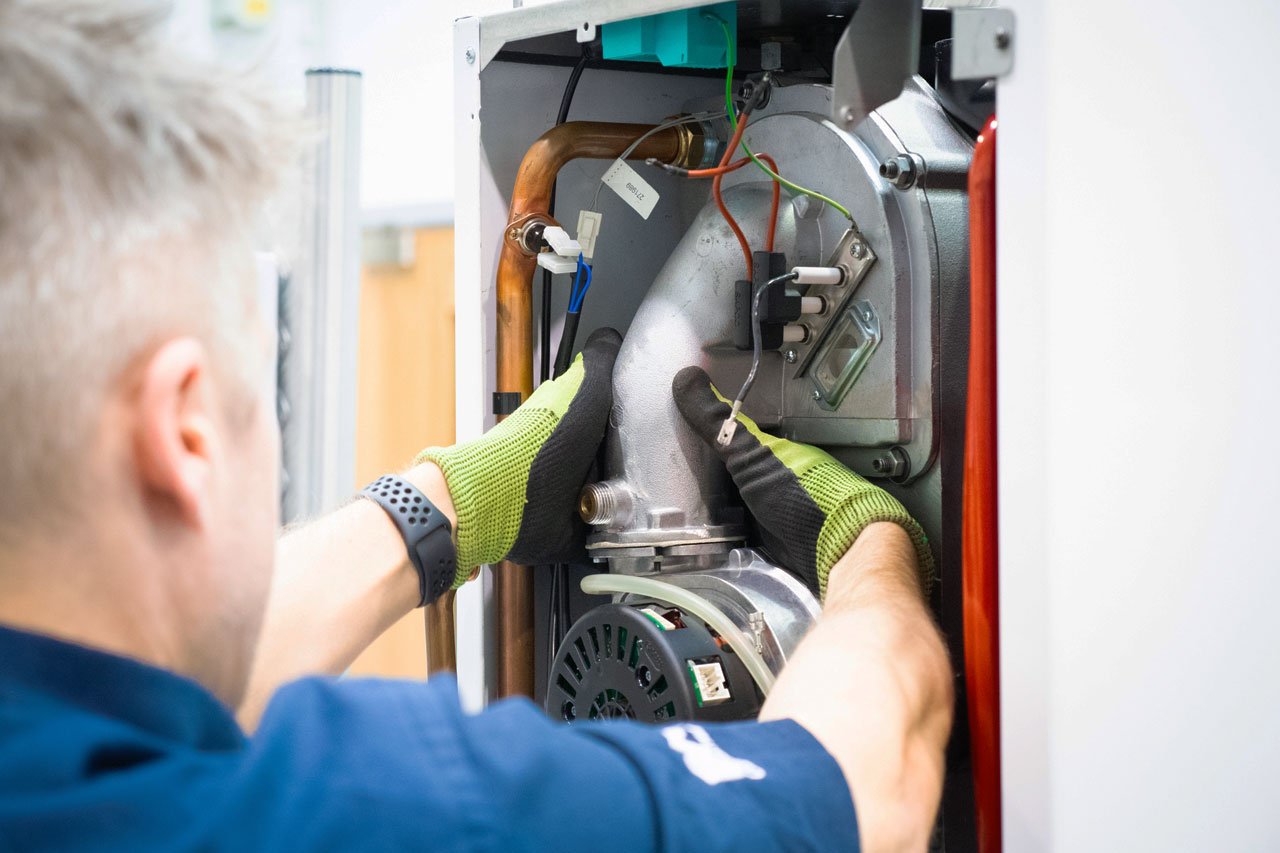
During the actual installation, key components that are already fitted within the HIU unit are connected to the pipework, with wiring and sensors also installed. These are key for enabling real-time monitoring of the unit and heating system once they are operational. Strainers and filters will also be prepared to ensure they are working effectively when required and minimise the risk of future issues.
How to ensure the heat interface unit installation is safe
A HIU needs to be compliant with the relevant building regulations. These may vary slightly depending on the type of building, so it’s worth being aware of all regulations before starting the process. Generally speaking, the maximum operating pressure of a heat network within a dwelling should be no less than 10 bar and operating temperatures should not exceed 90°C.
At Baxi, our HIUs are installed in accordance with the latest safety standards.[DL16.1][HO16.2][DL16.3] Our AquaHeat HIU is the first BESA 2023 certified direct HIU with best practice Heat Loss Performance and Water Regulation WRAS and Reg4 approved.
Support after installation
After the installation is completed, it’s vital that the HIU is maintained and serviced on a regular basis. This keeps the unit working at an optimum level when needed and prevents issues occurring.
Our HIUs come with the Mercurius remote monitoring software, which allows for operational problems to be both identified and resolved swiftly without any downtime and with a first-time fix.
We also provide bespoke training, commissioning support, and long-term servicing with genuine spare parts, to ensure smooth operation and lasting reliability.
Take a look at Baxi's AquaHeat HIU
For homes fed with heat from a heat network, the Baxi AquaHeat is the answer to your apartment’s heating and hot water requirements. Perfectly suited to supply heat to communal and commercial premises in your development.