


The common air source heat pump siting mistakes to avoid
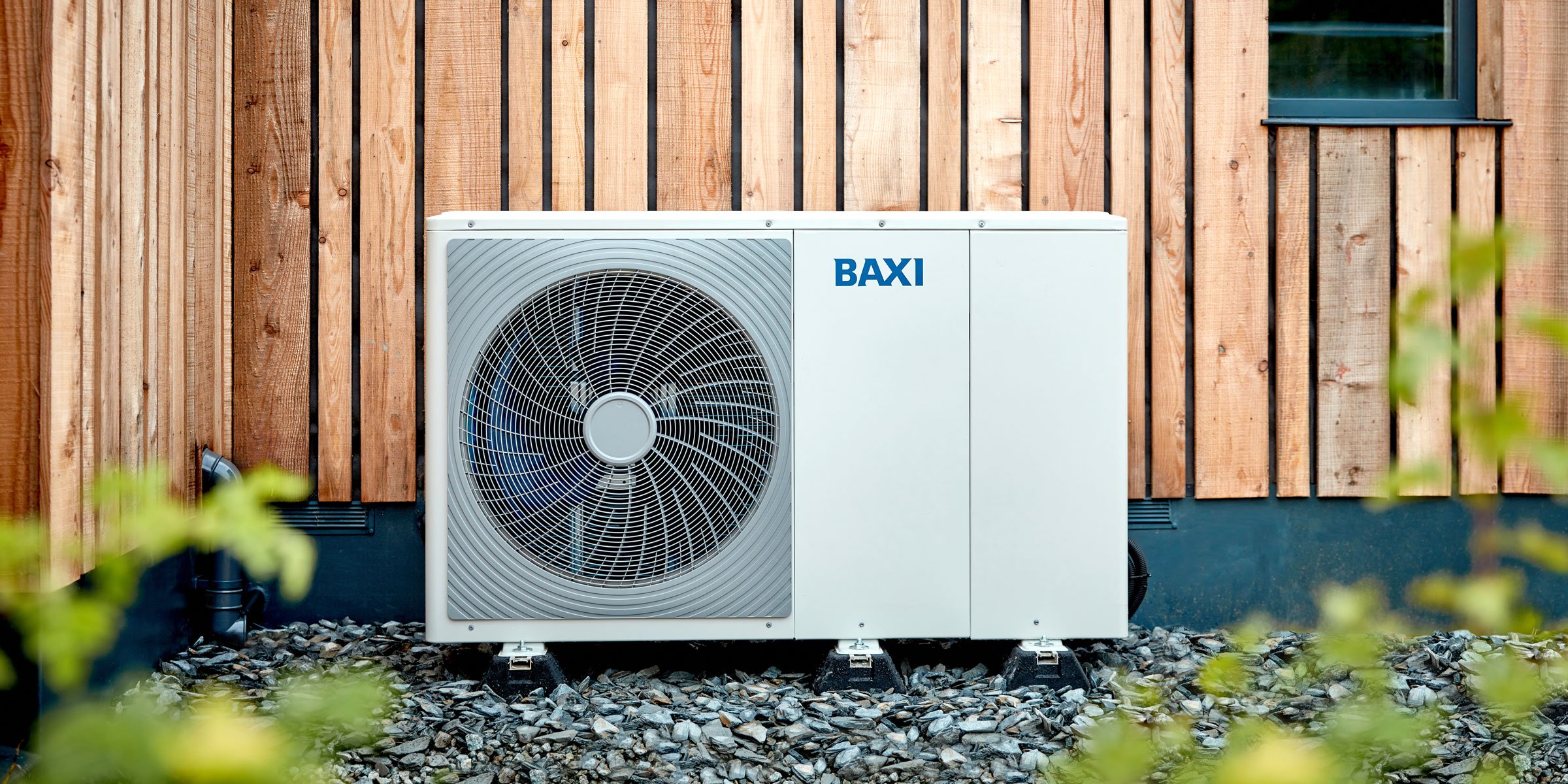
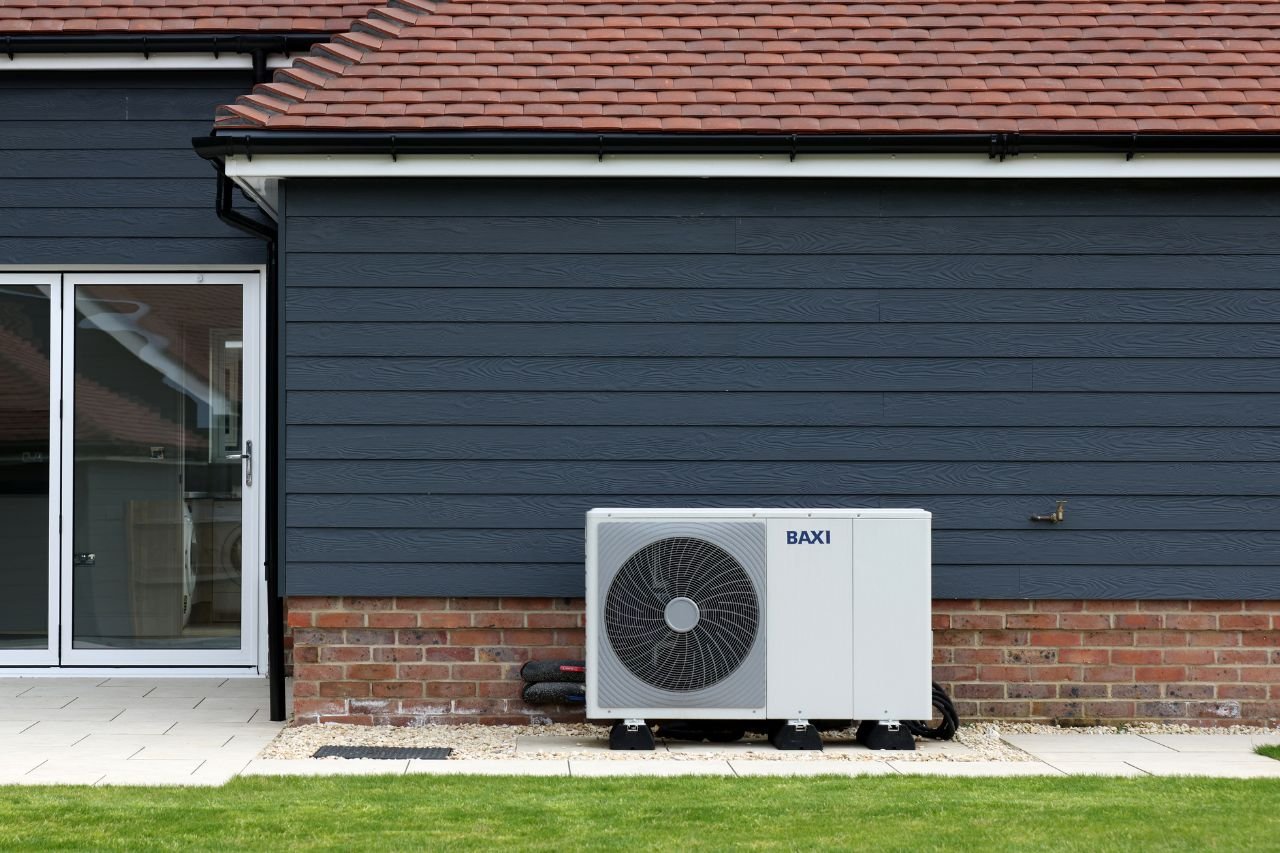
Siting an air source heat pump (ASHP) correctly is fundamental to ensuring its safe, efficient and reliable operation. A well-positioned unit will support optimal system performance, ensure sound levels are properly managed, and reduce the likelihood of unnecessary call-backs.
Every installation presents its own unique building characteristics and site considerations. However, there are some aspects that you should factor in during the planning and design stages to help ensure the system operates as intended. Our experts have highlighted some key areas to be aware of.
In this blog, you’ll learn about:
• Avoiding air source heat pump siting mistakes
• The importance of getting siting right first time
• Safety considerations for ASHP siting
• Planning and regulatory considerations
• Getting technical support with siting
Avoiding air source heat pump siting mistakes
Let’s start by taking a closer look at some of the common ASHP siting issues you should be aware of when positioning an air source heat pump:
• Blocking airflow with fences, plants, and furniture
• Positioning the unit too close to living spaces or neighbouring properties
• Restricting access for servicing and maintenance
• Choosing an unsuitable base or surface for the unit
• Installing the unit with no consideration for drainage of condensate or protective zone clearances
Many of these mistakes can be avoided through a detailed site assessment and careful planning. Taking the time to design a compliant system that meets the homeowner’s needs can ensure a smooth installation and reliable long-term performance.
The importance of getting ASHP installation location right first time
Mistakes with the siting of an air source heat pump can lead to the unit running inefficiently and, in some cases, create potential safety risks. Correcting these issues after installation can result in unnecessary disruption for the homeowner and potentially impact your reputation as an installer.
Taking the time to carefully assess the installation location during the planning stage helps to ensure the system performs as intended and reduces the likelihood of costly adjustments later.
Safety considerations for air source heat pump siting
Safety should always be at the forefront of any heat pump installation. Simple measures such as ensuring there is enough space around the heat pump for maintenance access and positioning the unit where it is unlikely to cause trip hazards are key factors to bear in mind. Where required, also consider implementing protective zone clearances.
It is also important to consider how condensate produced during normal operation and defrost cycles will be managed. The installation should always allow water to drain away safely from the unit, helping to reduce the risk of ice forming on nearby pathways during colder weather and minimising slip hazards.
A means of electrical isolation should also be easily accessible and in close proximity to the heat pump.
Planning and regulatory considerations
Make sure you know the planning rules, building regulations and permitted development rights. Check noise, space and general positioning to ensure compliance and avoid unhappy customers.
Getting technical support with air source heat pump siting
As a Baxi air source heat pump installer, we can help you with every part of your ASHP installation, including optimal siting to ensure compliance, performance and efficiency. By working under our MCS Umbrella Scheme, you can concentrate on carrying out the installation while our team handles the design, paperwork, and commissioning requirements. You will continue to be backed by our experts, with technical support available when you need it, and feel confident that your installation meets MCS standards.
Our heat pump training courses are the perfect starting point to cover key considerations and for learning what steps you should take when siting a heat pump at your customers’ homes. With a focused, hands-on approach, you can develop and enhance your skills when it comes to ASHP installations.
MCS Umbrella Scheme
No MCS or need extra support? No problem. We’ll handle the design, paperwork and compliance, guiding you every step of the way so that you can deliver efficient, low carbon heating with confidence.
Baxi Heat Pump Installer Training Course
Our specialist course provides MCS, BPEC accredited or equivalent heat pump certified Installers with the skills to design, install and commission our air source heat pump range and become a Baxi Heat Pump Installer.