


Air source heat pump sound assessment: What you need to know on-site
If you’re installing heat pumps, carrying out a sound assessment is an essential part of planning for the job. It should occur as part of the site survey when you’re first looking at the property and working out where everything is going to go.
This isn’t just best practice. It follows MCS Standard 020 and ensures compliance. There are simple steps to carry out this calculation which can be found here.
In this blog, you will discover:
• How noise behaves on-site
• Why sound assessments need to be done early?
• What MCS 020 is really asking you to do
• How do you carry out a sound assessment in line with MCS 020?
• Training, support and getting it right first time

How noise behaves on-site
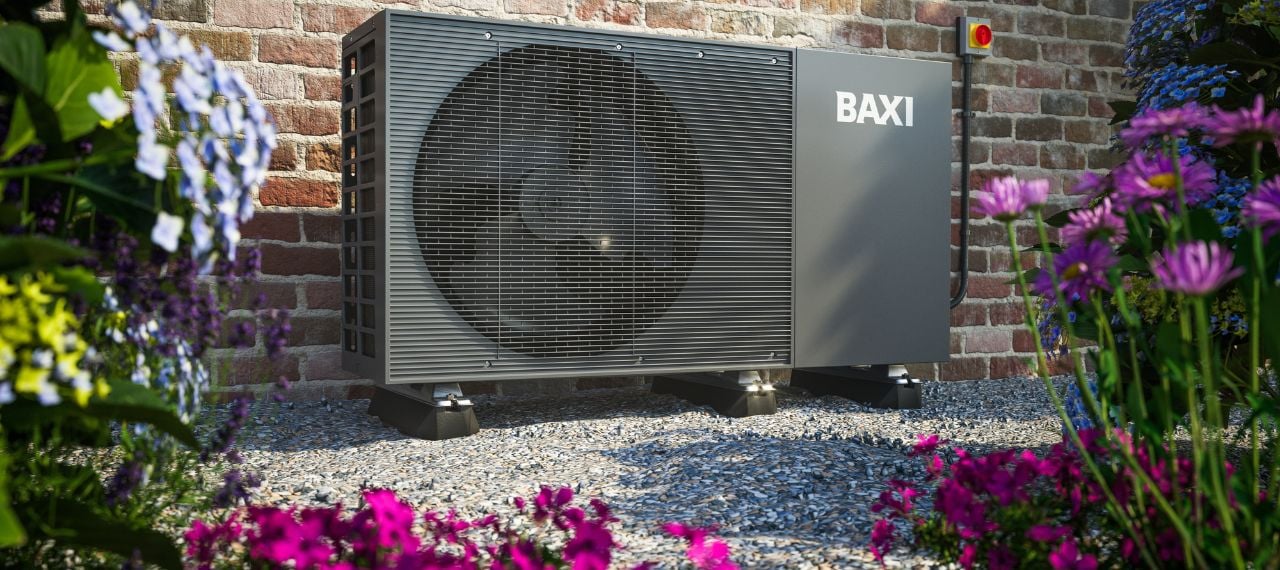
You’ll see noise measured in decibels (dB). Think about it in terms of the unit makes a certain level of noise; the further away it gets the less noticeable it becomes. So, what you're judging is how that noise is going to behave in a specific location, considering:
• How loud the unit itself is, known as sound power
• The distance to neighboring properties
• What's around the unit it, eg walls, corners, fencing or open spaces
• Visibility of the unit for the homeowners’ neighbours
The same unit located in two different places can have different sound perception. One install location might be barely noticeable whereas another might get noise complaints. The difference is almost always down to layout and not the equipment.
Why sound assessments need to be done early
At survey stage, you’ve still got full control. You can:
• Choose the best location for the heat pump
• Avoid obvious noise concerns
• Spot tight or reflective areas before committing to them
• Consider neighbouring properties
• Consider bedrooms and habitable spaces
This is really important as part of the planning stage, because once you start installing, options such as these can narrow quickly.
What MCS 020 is really asking you to do
MCS 020 Standard is there to make sure:
• The installation is compliant with MCS standards
• The installation fits within permitted development
• The system won’t cause issues for the homeowner or neighbours
• Sound levels are considered before installation
• The outcome is predictable and not left to chance
A sound assessment proves that sound has been properly considered.
How do you carry out a sound assessment in line with MCS 020?
If you’re working on heat pump installs, sound assessment isn’t something separate from the job, it’s part of doing the survey properly from the start. Following MCS Standard 020, sound assessment starts at the site survey stage, not during the install. This is where you still have full control over positioning, so it’s the best time to get it right.
Here are some practical considerations for approaching a site survey on-site:
Start with the proposed location looking out for any potential noise issues such as any tight side passages or corners, hard surfaces like brick, concrete or paving, positions close to bedrooms or quiet rooms, walls carrying vibrations, enclosures that can trap sound
Identify noise sensitive areas. Under MCS Standard 020, you must always think about where the sound will actually matter. That usually means bedrooms, living spaces, neighbouring properties, windows, doors and vents. These are known as habitable spaces
Measure the distance from the proposed location to sensitive points
Consider barriers and screening while still working in line with MCS Standard 020. Look for anything that naturally helps or worsens sound travel
- Use manufacturer sound power to combine it with distances, surrounding and reflection
Check against MCS Standard 020 requirements
- Record your assessment. The result will need to be 37 d(B) or less to pass
When considering siting locations, required clearances stated in the manufacturer instructions will also need to be followed. If you follow MCS Standard 020, you’re not guessing how the heat pump will behave, you’re planning for it and ensuring compliance.
Why MCS compliance matters
Keeping installs compliant with MCS standards isn’t just about ticking boxes, it directly affects grant access and permitted development rights. MCS compliant installations are eligible for UK government incentive schemes like the Boiler Upgrade Scheme (BUS), meaning homeowners can benefit from financial support when they choose a certified installer and live in an eligible property.
Getting the install right first time is essential as part of unlocking those benefits for your customer.
Training, support and getting it right first time
We understand the challenges of understanding sound, and real-world installations. That’s why we offer a range of air source heat pump training. Built around practical on-site knowledge helping you apply standards like MCS 020 that works on the job.
Our MCS Umbrella Scheme gives you backing across your installs, from technical guidance and compliance support through to system design and troubleshooting. As part of this service, we would carry out this assessment as part of the site survey.
To support you delivering compliant installations, we’re also running a cashback promotion. You can earn £500 per installation for qualifying Baxi HP40 Air Source Heat Pumps and Baxi HP60 Air Source Heat Pumps when they are installed, commissioned, and registered on Baxi Works with a valid MCS Installation Certificate by 31st July 2026.*
The aim is simple: we're here to give you the tools, training and support to get it right first time, every time.
*Terms and conditions apply
Heat Pump Training
Our range of courses are designed to help you improve your skills so that you can work confidently and efficiently with air source heat pumps.
MCS Umbrella Scheme
No MCS or need extra support? No problem. We’ll handle the design, paperwork and compliance, guiding you every step of the way so that you can deliver efficient, low carbon heating with confidence.