When do you need to use an ASHP buffer tank - Baxi Heat Pump Advice

When do you need to use an ASHP buffer tank?

Buffer tanks can be a familiar component in many heating systems, but their role within an air source heat pump installation may vary considerably depending upon the system design.    


For some installers, a buffer tank may provide a useful additional system volume or help manage different circuits. For others it may not be necessary at all.


Understanding what a buffer tank is intended to achieve, when it may be beneficial, and how it should be incorporated into the system design can help you make informed decisions for each installation. 


In this blog, we’ll cover:


  • How do buffer tanks work and what is their purpose?  

  • When might a buffer tank be useful?

  • What is the most likely application of a buffer tank in a heat pump system configuration?

  • Looking for more ASHP support?

How does a buffer tank work and what is its purpose - Baxi

How does a buffer tank work and what is its purpose?


A buffer tank provides a defined additional volume to heating system. In heat pump installations it is positioned between the heat pump and the distribution systems such as radiators or underfloor heating. That additional water can serve several purposes, depending upon the system configuration. It can help meet an ASHPs minimum system volume requirement, support stable operation and in some designs provide hydraulic separation between the heat pump and heating circuit.


Rather than automatically specifying a buffer tank within the design, it is important to consider what the installation requires and whether using one is suitable for the system design.


A buffer tank can:


  • Provide system volume where the heating system does not contain enough water to meet requirements at all times.

  • Act as a hydronic pressure break, providing hydraulic separation between the primary heat pump circuit and secondary heating circuits, where required.

  • Help smooth fluctuations in heating demand by providing additional thermal mass as zones open and close or as heating load changes.

  • Support defrost cycles by providing a volume of water for the heat pump, which can draw energy during defrost.

  • Help maintain the required flow conditions where the configuration of the system could otherwise affect flow through the heat pump.


The way a buffer tank is connected and controlled determines how effectively it performs these functions.  This makes hydraulic arrangement, system volume, flow rates and control strategy important considerations when designing the system and installation. 

When might a buffer tank be useful


As an optional accessory within an ASHP configuration, the use of a buffer tank is down to system design, helping to optimise the efficiency and overall performance by providing additional system volume and creating a hydronic pressure break.


A buffer tank may be considered where:


  • The system does not have sufficient water volume to meet requirements.

  • Multiple heating zones could reduce the system volume or flow.

  • Different heating circuits have different flow requirements.

  • Hydraulic separation is required between the heat pump and secondary heating circuits.

  • The overall system design benefits from additional thermal mass.

  • If the pump in the outdoor unit was not capable of circulating water throughout the entire system.

  • If the minimum system volume is not available at all times, including when TRVs close or entire zones in a multi-zone system close.

Points to consider include:


  • Why could this system need one?

  • Is there a manufacturer minimum system volume or flow requirement?

  • Is the existing system volume sufficient at all times?

  • Will zoning or controls reduce the available system volume or flow?

  • Is hydraulic separation actually required?

  • Has the complete hydraulic and control strategy been considered before installation?

  • Could the system be designed more simply without one?

  • Is the tank correctly sized for its purpose

  • How will the tank be connected hydronically?

What is the most likely application of a buffer tank in a heat pump system configuration?


The most common use of a buffer tank is to provide additional system volume and stabilise flow in systems with variable demand. This typically occurs in:


  • Multiple heating circuits with varying flow temperatures where only some zones are calling for heat at any one time.

  • Retrofit installations where existing pipework and emitters may not provide sufficient system volume.

  • Systems with low water content such as systems with small bore pipework or low volume radiators.

  • Installations with intermittent flow conditions where zone valves or TRVs frequently close flow paths.

  • Systems with higher flow requirements where the pump in the outdoor unit is not capable of circulating water through the index circuit.

  • Cascade systems where the buffer tank provides additional system volume and helps manage flow as multiple heat pumps operate together.

  • Hybrid systems where the buffer tank helps manage hydraulic integration between the ASHP and secondary heat source.


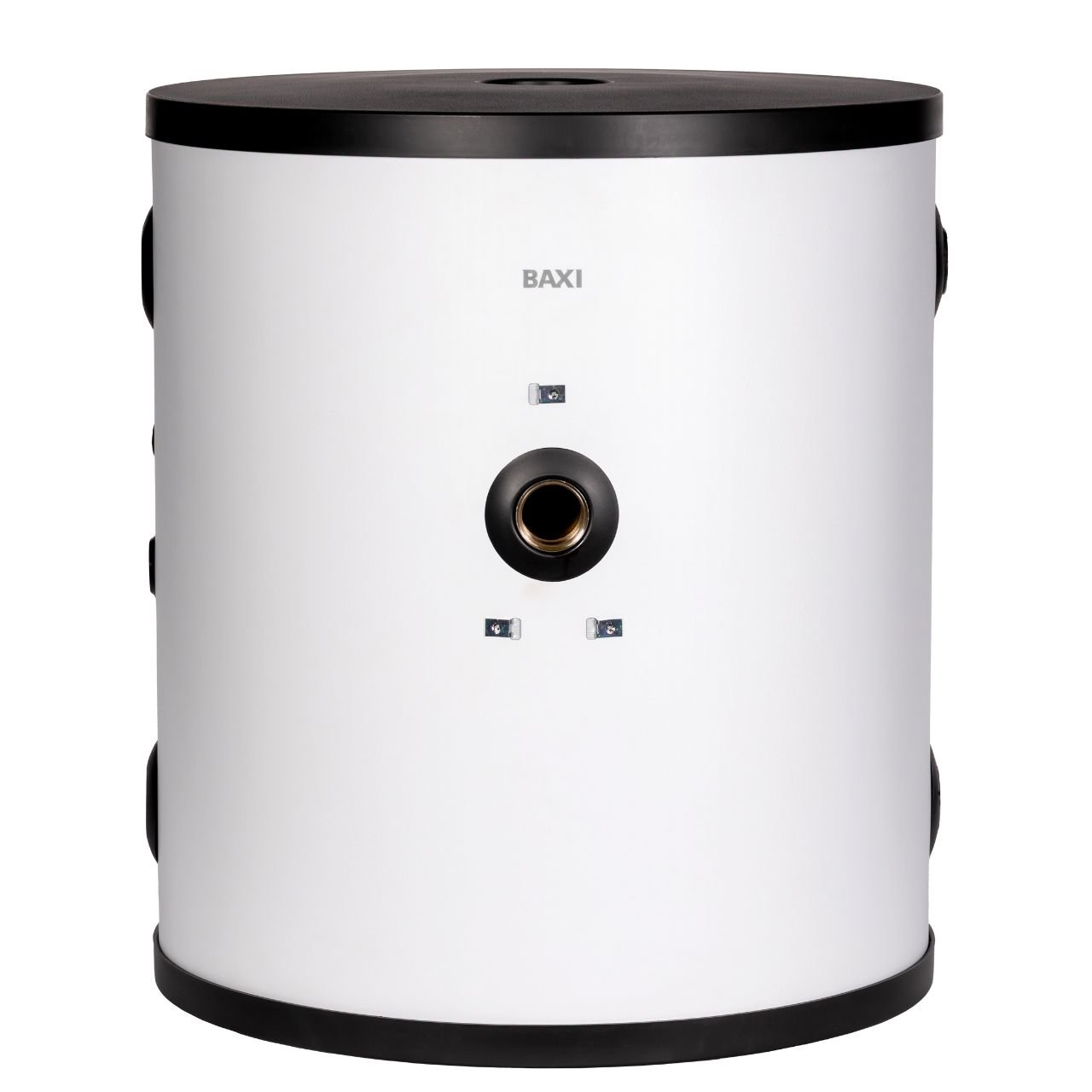
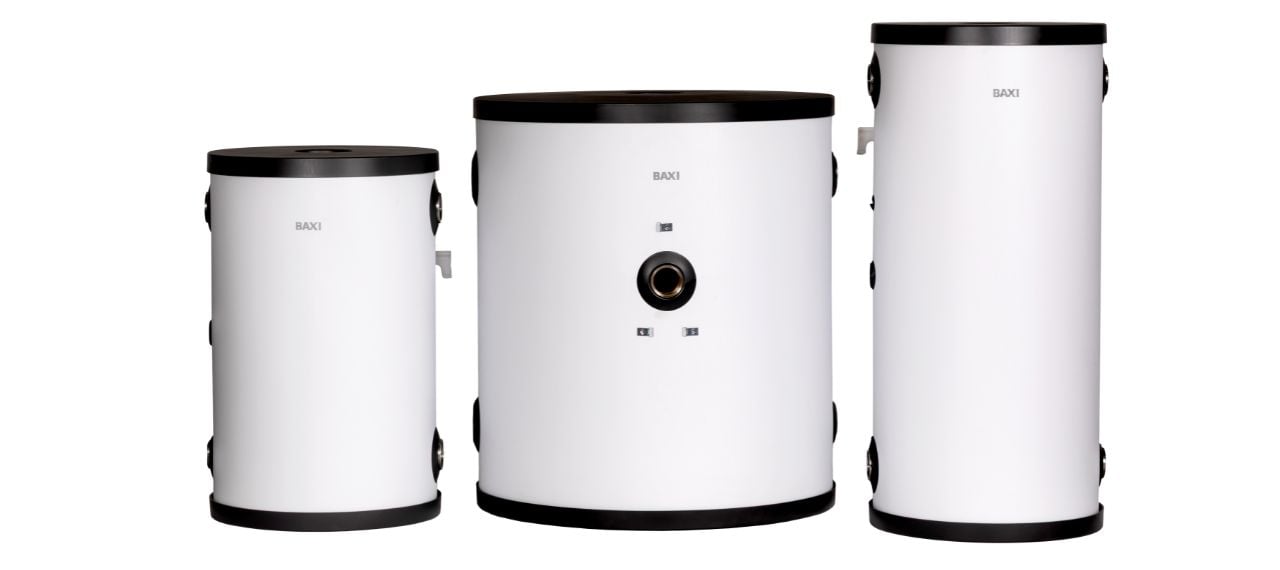
Products such as the Baxi Buffer Tank are specifically designed for use with Baxi air source heat pumps. Perfect for effective defrost cycles, the Baxi Buffer Tank smooths load fluctuations, creates hydronic pressure break and has 10mm sensor pocket enabling the heat pump to operate more efficiently (if used in conjunction with our new ASHP control unit). 


The 1 ¼” connections support greater flow rates and help minimise pressure drop, providing suitable hydraulic connection for ASHP systems with greater flow requirements. Available as part of our ASHP system configuration, our range of buffer tanks can be used where additional volume, hydraulic separation or support for variable demand is required. 


Whether you’re an experienced heat pump installer or developing your knowledge of heat pump systems a buffer tank should be selected and configured according to the specific installation and heat pump manufacturer requirements. 

Looking for more ASHP support?

 
Whether you’re looking for the right products for your installation, want to build your skills and knowledge through ASHP training, or need support with your next project, our team can help.


Explore our range of ASHP solutions, heat pump training courses, or find out more about our MCS Umbrella Scheme and how it can support you with heat pump installations.

Heat Pump Training

Our range of courses are designed to help you improve your skills so that you can work confidently and efficiently with air source heat pumps.

Baxi Air Source Heat Pumps

Our monobloc range of Baxi Air Source Heat Pumps will deliver reliable, energy-efficient performance. Suitable for a wide range of properties.

Related articles