What The Future Homes Standard means for installers
The incoming Future Homes Standard requirements will effectively make low-carbon heating systems mandatory in new buildings from March 2027.
Installers need to be prepared for the new changes to ensure they aren’t caught out when they come into full effect and risk missing out on the opportunities to expand into a growing market.
In this blog, we’ll look closer at:
Why the Future Homes Standard matters for heat pump installations
The key dates to be aware of
New builds and air source heat pumps
Ways to plan for Future Homes Standard
How Baxi supports with preparing for Future Homes Standard

Why the Future Homes Standard matters for heat pump installations
The Future Homes Standard, or FHS, places specific requirements on new build homes in England and will be enacted through a set of amendments to the Building Regulations 2010, together with associated Approved Documents. The main goal is ensuring that new build properties have at least 75% lower carbon emissions when compared to homes built under 2013 standards, as part of the UK’s legally binding commitments to meeting net zero emissions by 2050.
Ultimately, FHS will mean changes to ways of working and the solutions fitted by installers. Heat pumps are likely to become the go-to solution, even in properties that would normally have a new combi boiler for example. As a result, installers and contractors working in this market segment will need to consider certifications and capabilities before the measures come into effect.
The key dates to be aware of
FHS will come into effect on 24th March 2027, however transitional arrangements will apply to projects that already have planning approval, or those submitted prior to this date.
New builds and air source heat pumps
It’s important to remember that FHS will affect new build properties. That said, the regulations are an indication of what the future holds for the heating industry and the installers working in it, and homeowners are already making use of initiatives such as the Boiler Upgrade Scheme for retrofit installations.
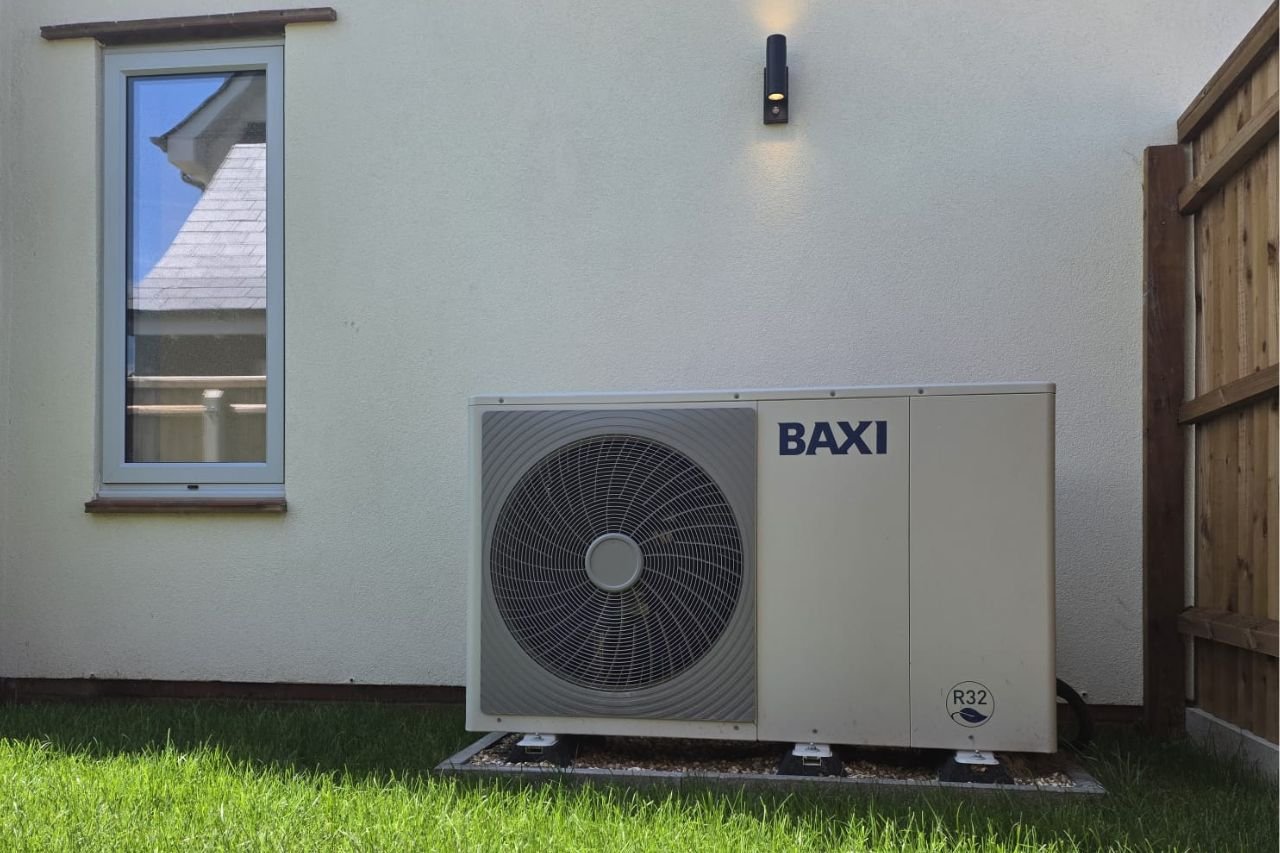
The requirement for low carbon heating that will need to be met under FHS means that air source heat pumps (ASHPs) are likely to be one of the main solutions of choice, with other alternatives such as low carbon heat networks playing a part.
This change in focus, and the growing demand that will come as a result, will open up opportunities for installers looking to grow their business. In the next section, we’ll look at how to prepare for those opportunities.
Carrying out heat loss calculations
Understanding flow temperatures
System design accuracy