baxi-cylinder-cycle-banner

Talking to your customers about cylinder types

If your customer is looking at upgrading their hot water system, especially if they’re making the switch to an air source heat pump, they’ll likely need to have a new hot water cylinder.  


For some, it may be the first time they’ve needed to consider one, while others may be replacing an older cylinder as part of a system upgrade.


Your customers rely on your expertise to advise them on which cylinder they need for their home, their hot water demand and their heating system. Being able to explain the options in a straightforward way can help them understand the benefits of their new system and feel confident in their decision.

 
We’ll provide the information and support to help you recommend the right solution with confidence.


We’ll look closer at:


  • Starting with the system type and customer’s needs  

  • Explaining the different cylinder types 

  • Choosing the right size

  • Why cylinder recovery matters

  • Explaining installation factors 

  • Supporting the transition to heat pumps

  • Training and support for cylinder installations  
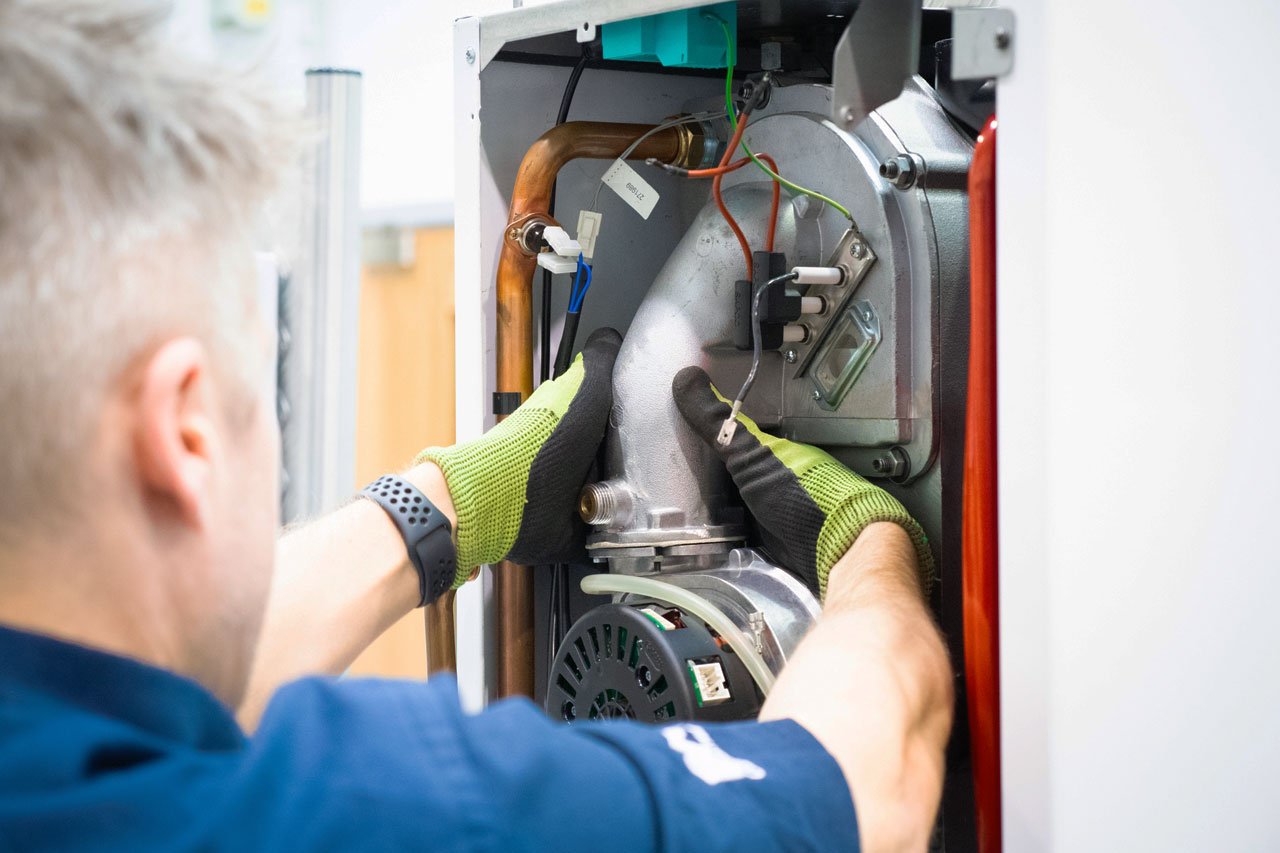
Baxi Training Team T-shirt

Starting with the system type and customer needs


Every home is different, so it is important to understand how your customer uses hot water and how the system is currently set up. You will need to consider the property's hot water usage by understanding occupancy, lifestyle, together with the number of bedrooms and bathrooms. 


Another important aspect to consider will be the space available. This information will help you recommend a cylinder that delivers the right balance of performance, efficiency and comfort.

Explaining the different cylinder types
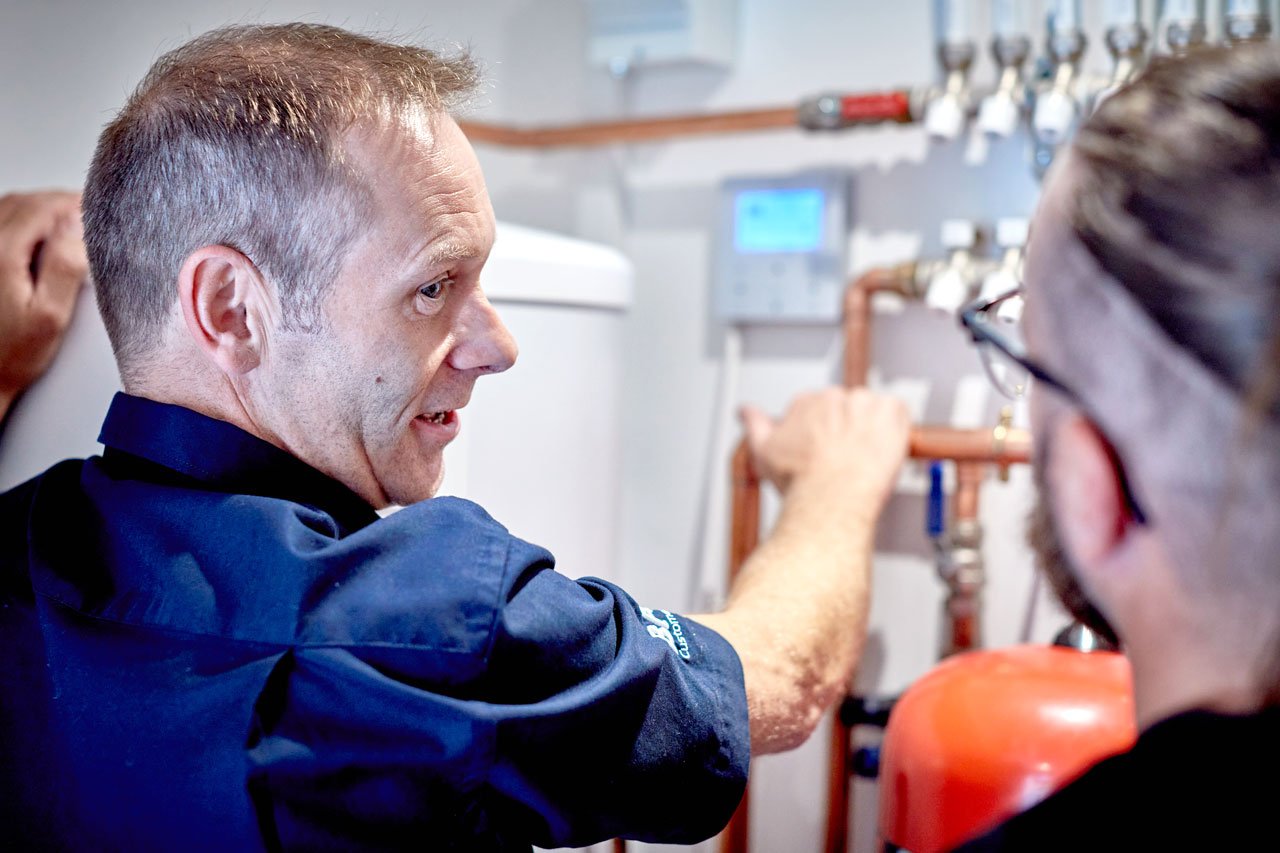
Your customers don’t need to know every technical detail, but they will want to understand why you are recommending a particular solution. As a reminder:


  • Direct cylinders heat stored water using an in-built immersion heater. Perfect where a simple standalone hot water solution is required, however they can be slower to heat and potentially be more expensive to run


  • Indirect cylinders use a separate source, such as a boiler or heat pump, to heat the stored water. These are a common choice in homes that have both a central heating and hot water requirement. Hot water can be stored efficiently and heated by the system already serving the home


  • Vented cylinders supply water to the home using a header tank, often in a loft. They can be a particularly suitable option for low mains water pressure properties or where an existing system is set up


  • Unvented cylinders use mains pressure to supply water as part of a sealed system and are the most common choice for modern homes. This option removes the requirement for a header in the loft, providing a more compact overall system


ASHPs often use an indirect unvented cylinder with a large surface area coil. They are designed for optimum heat transfer at lower flow temperatures, minimising reheat times whilst maximising efficiency. If your customer is looking to change their appliance to an ASHP in the future, upgrading to an ASHP cylinder beforehand will help prepare the home in readiness.

Choosing the right size


Cylinder size is just as important as cylinder type. You’ll need to explain to your customers that the right size depends on such factors as:


  • Available space
  • The number of occupants
  • The number of bathrooms and bedrooms
  • Typical hot water usage
  • Cylinder storage temperature
  • Future household plans


Selecting the right volume helps ensure your customer will have sufficient stored hot water whilst maintaining efficient system performance.


Cylinders for limited space 


Homes that have limited space will likely benefit from a pre-plumbed, pre-wired cylinder, with the main components already fitted, or a slimline cylinder which often holds the same volume of water as a ‘traditional’ cylinder but in a compact design to make it suitable for storing in tighter areas. 


Pre-plumbed, pre-wired cylinders also make for a smoother, straightforward and cleaner installation, with less disruption to the homeowner from having additional pipework modifications being carried out. 


Air source heat pump cylinders


Homeowners are increasingly looking at more efficient ways of heating their homes and water supply, with air source heat pumps being one of the options in high demand. This means you will likely need to answer questions about whether the ASHP will meet both heating and hot water requirements.

 
Unlike with a combi boiler, a heat pump will need an ASHP cylinder to provide hot water, and many of the same considerations that will be needed for a standard hot water cylinder will need to be taken into account. 

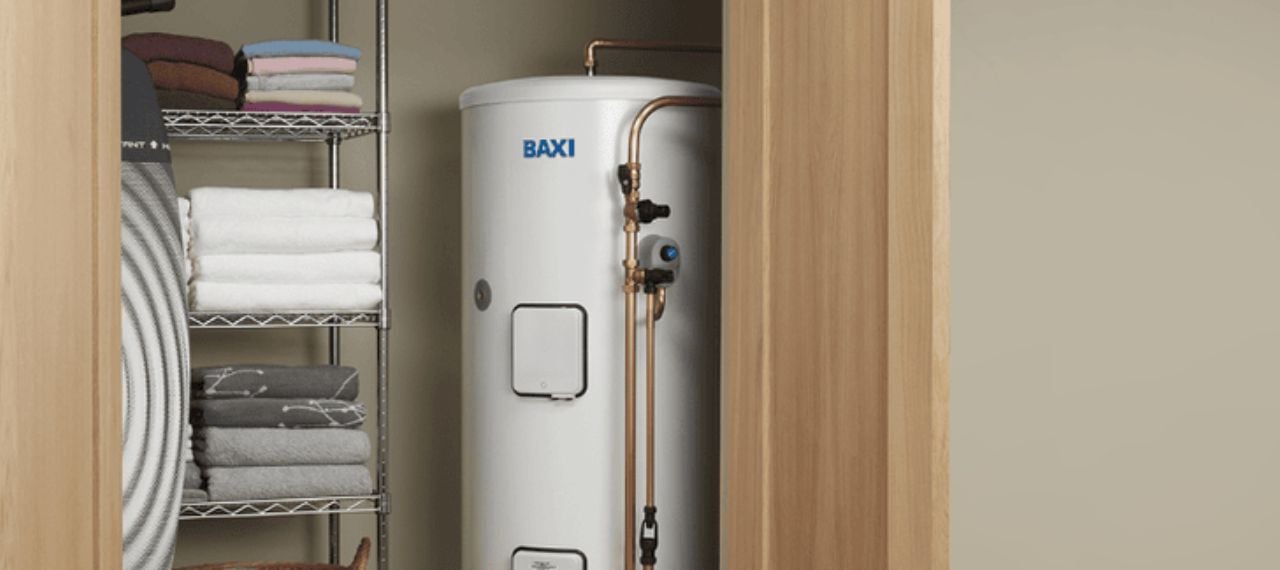
Baxi Cylinder for Homeowners

Why cylinder recovery matters


Your customer may ask you whether they will run out of hot water. This provides a good opportunity to explain recovery time in simple terms. Rather than focusing only on the technical performance figures, explain the benefit such as how the system can keep up with their household daily demand. You can also reassure them that recovery is not about having instant hot water all the time, but having a system that is designed to top the cylinder back up efficiently after use. 


The system can be set up to prioritise hot water once the temperature in the cylinder drops below a certain point, or it could be set on scheduled times to benefit from things like flexible tariffs.

Explaining installation factors


Homeowners often ask how much work will be involved. Changes to the property depend upon the existing setup. By explaining the practical installation in simple terms, you can help your customer understand what is involved, why certain choices are recommended and how the finished system will fit into their home.


Practicality and efficiency are key considerations that homeowners will have in mind when it comes to where their cylinder will be placed in their property. This will likely be in the loft, utility room, or an airing cupboard, though there are other options should these not be available. 


Other factors to discuss with the homeowner when assessing the most suitable place for a hot water cylinder include the proximity of the cylinder to main points of use (e.g. showers and taps) and verifying that the floor can bear the full operating load of the cylinder, particularly in loft spaces. 

Supporting the transition to heat pumps


As more homeowners move from combi boilers to heat pumps, questions about hot water cylinders are becoming a natural part of the conversation. 


Understanding the different cylinder types, installation considerations and homeowner benefits helps ensure every system is matched to the property and performs as intended.


Whether you are quoting for a replacement cylinder or installing a heat pump system, choosing a cylinder designed to work with an ASHP can help deliver efficient heating, reliable hot water and a solution that is built to perform together.

Training and support for cylinder installations


With the right training and skills, you can be confident in giving your customer the right information to help them make an informed choice about the type of hot water cylinder they’ll need. 


Book onto one of our training courses to learn about our product range. You can also watch our series of short training videos for more about working with our cylinders. 

Baxi Training

Discover our comprehensive range of courses and videos designed to enhance your skills and knowledge.

Baxi cylinders

Our ranges of cylinders are designed and manufactured in the UK by Baxi's hot water storage experts to the very highest quality and specifications. They will give you invigorating showers, fast-filling baths and plenty of hot water, whenever you need it.

Related articles