Why size matters in air source heat pump design and installation
Getting the correct sizing for an air source heat pump ensures it runs efficiently and performs in line with the homeowner’s requirements.
This is why a room-by-room heat loss survey must be carried for accurate sizing. It’s about designing the entire system properly from the start to maximise homeowner comfort, deliver system performance and avoid unwanted call backs.
This article will cover:
Why oversizing or undersizing a heat pump happens
What happens when a heat pump is oversized
What happens when a heat pump is undersized
Carrying out heat loss calculations correctly
Correct design and UK design temperatures
Design and installation support for air source heat pumps
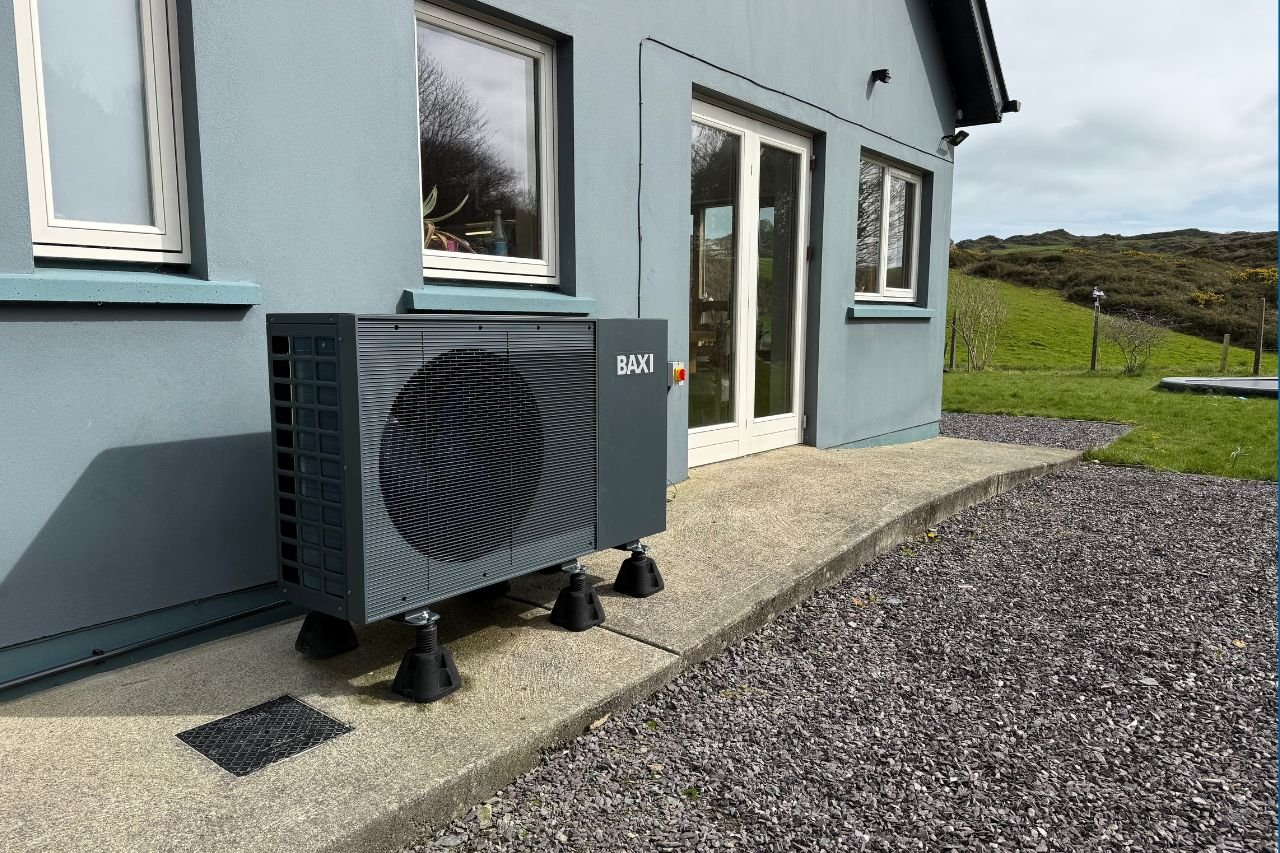
Why oversizing or undersizing a heat pump happens
Oversizing or undersizing a heat pump is often the result of errors being made in the initial heat loss calculation or by using so-called ‘rule of thumb’ data to make inaccurate assumptions about the property.
The unique factors for each property, such as the fabric makeup and their associated U-values, as well as heat lost through ventilation, can significantly change calculated heat loss. Historically, many heating engineers became accustomed to oversizing boilers, particularly with combi boilers now being so popular in the UK, with the thought process being that it would be better to have too much capacity than not enough. However, this approach doesn’t translate to heat pumps and can cause significant inefficiencies.
Each manufacturer uses a slightly different naming convention for their heat pumps, resulting in difficulties in heat pump selection. It is important to ensure that the selected heat pump’s capacity is achievable at design conditions.
Any specific preferences by the homeowner should also be considered. For instance, sizing the heat pump based on an internal temperature that is lower than what they prefer it to be at may result in an incorrect size for those requirements, causing confusion and frustration that the heat pump is not performing as expected.
What happens when a heat pump is oversized
An oversized heat pump is more likely to short cycle; in other words, reaching the intended temperature too quickly, then shutting down, and restarting again when the temperature drops back down. Heat pumps work best when they are allowed to run constantly and consistently.
Short cycling is the opposite to this and has further implications for the homeowner:
Increased wear and tear
Lower COP rating, affecting system efficiency
Comfort affected by fluctuating temperatures
Higher running costs
Correct sizing by carrying out proper heat loss calculations, stops these issues arising and reduces the likelihood of additional work being needed to address them.