


Preparation is key for a successful air source heat pump installation
Addressing planning and site considerations at the earliest stage makes an air source heat pump install smooth and efficient.
Being proactive in carrying out these considerations avoids delays and minimises the likelihood of callbacks being required to correct issues.
In this article, we’ll look closer at:
Why a detailed site survey matters
Considering clearances and position
Factors affecting outside placement
Support for carrying out ASHP installs
Why a detailed site survey matters
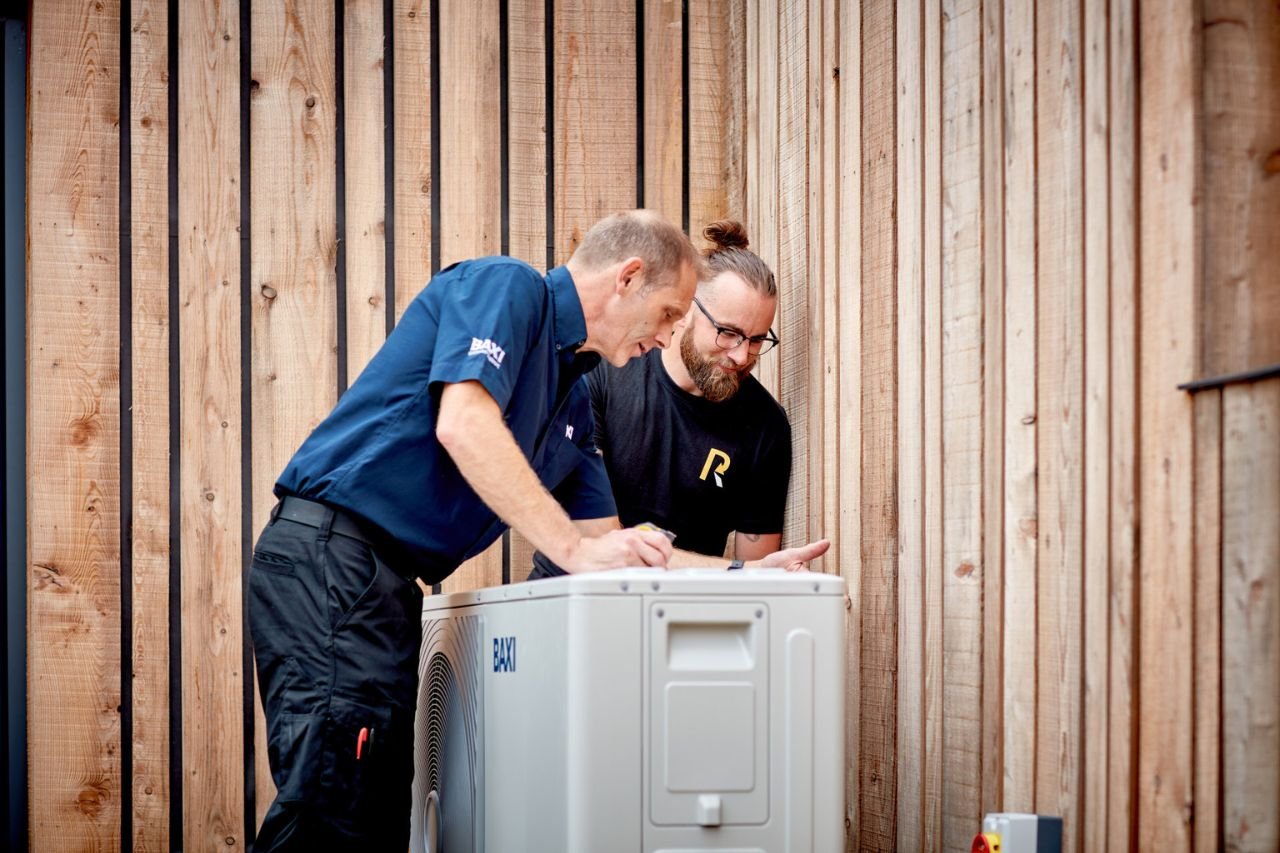
As the saying goes, fail to prepare and prepare to fail. Conducting a detailed site survey before starting any installation is essential preparation. This is where potential obstacles or issues can be identified and addressed before the installation begins. It also presents an opportunity to plan things like pipe routes, check that the unit will be on a secure base and not pose a safety risk, and ensure that there is sufficient space for it to begin with.
The site survey is a fundamental first step in delivering a solution that has long-term benefits and performance. Taking specific factors into account from the outset ensures that the installation is as straightforward as possible, with the unique requirements of the homeowner also in mind.
Considering clearances and position
Clearances are essential in making sure the installation is safe and the heat pump itself will operate efficiently by having enough airflow. They also reduce the risk of refrigerant build-up near ignition sources – again, an essential safety requirement – that is an important factor to address for R290 refrigerant.
As well as the safety aspects, the correct position prevents problems associated with noise transfer or vibrations which could also mean the install isn’t compliant. Leaving enough space around the unit is key for servicing and maintenance, and making these vital tasks less challenging.
Factors affecting outside placement
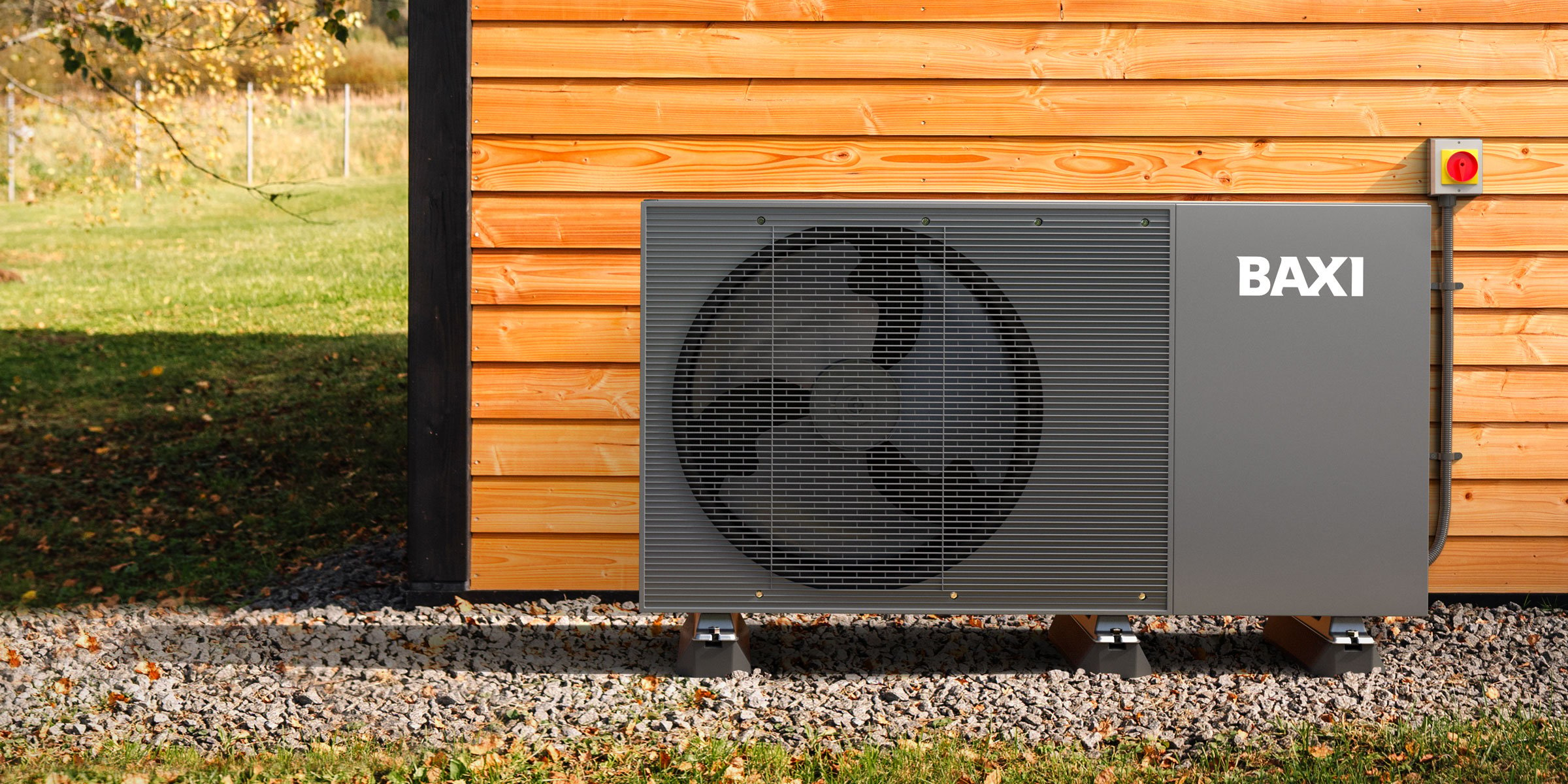
Each property has different characteristics to take into account during the survey and planning stage. The amount of available outdoor space varies with each installation, with factors such as plants and garden furniture also needing to be considered.
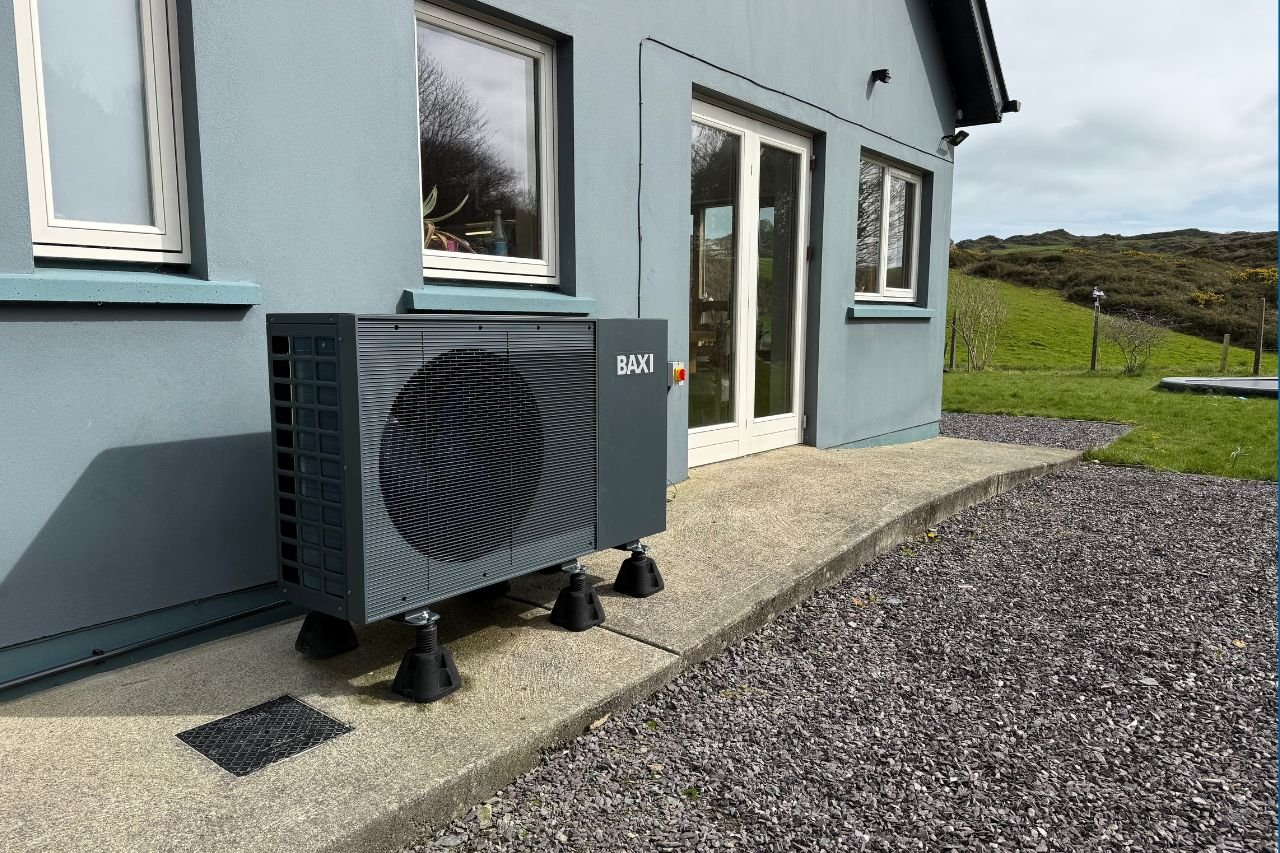
Most importantly, the heat pump will need to be situated on solid, stable ground, with a method to enable condensate drainage.
You should also take into account whether there will be sufficient air flow and ventilation for the unit to work effectively. Consider the likelihood of debris building up, especially during the autumn months when leaves and twigs are likely to accumulate.
For coastal properties, ensure that the heat pump is a suitable distance from the shoreline to minimise the risk of corrosive effects. There should also be protective measures for properties prone to high winds. These vital considerations are all ones to have in mind during the site survey.
Support for carrying out heat pump installations
The MCS (Microgeneration Certification Scheme) is the recognised standard for quality and compliance when it comes to heat pump installations and other low carbon solutions. By working under our MCS Umbrella Scheme, we undertake the site survey and give you full support throughout the process including design and compliance requirements, so that you can concentrate on the install itself.
You can also enhance your knowledge of heat pumps and the steps you’ll need to take before, during, and after the installation through our range of training courses.
Our guide to site survey and external planning has further information about what is involved in surveys and why they’re important in preventing common siting mistakes.
Download the guide
Our guide to site survey and external planning can help ensure you understand the steps to take when planning an ASHP installation.
MCS Umbrella Scheme
No MCS or need extra support? No problem. We’ll handle the design, paperwork and compliance, guiding you every step of the way so that you can deliver efficient, low carbon heating with confidence.