The future of air source heat pump installations
There’s little doubt that the air source heat pump installation market is growing and with it, so do the opportunities for you.
The way heating systems are designed, supplied and installed are changing too. This means new opportunities and expectations around skills, standards, efficiency and customer experience.
As the market continues to evolve, it is worth considering how you can build your skills and expertise whilst implementing the right processes to make the heat pump journey more efficient, from survey and design through to installation, commissioning and handover. Taking these steps can help you stay ahead of the changing market and create new opportunities for your business.
In this article, we’ll look at:
Why are more homeowners considering heat pumps?
The opportunity to build your skills and expertise
Standardisation trends and tools
New systems and technologies
How to stay ahead with heat pump installs
Why are more homeowners considering heat pumps?
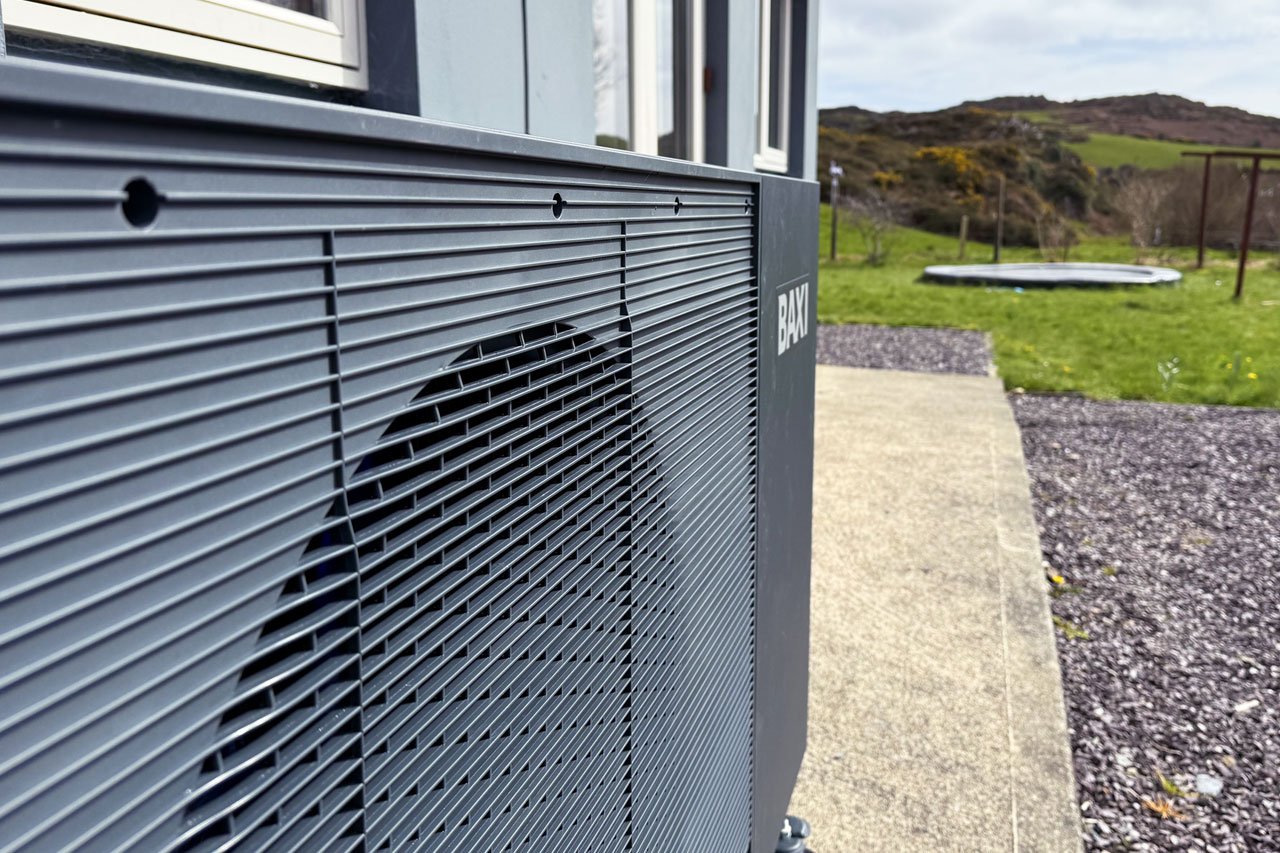
Increasingly homeowners are considering heat pumps as they look for ways to heat their homes. Greater awareness to changes on heating policy and financial support are helping to increase demand. One of the main drivers of the growing demand for heat pumps is the improved efficiency when compared to traditional boilers. Homeowners are becoming increasingly more conscious of their energy use and looking at ways to make their homes more energy efficient, exploring potential savings over the longer term. A heat pump tackles both issues.
In addition, grants such as the Boiler Upgrade Scheme have helped with the initial costs of a heat pump. The addition of a temporary uplift of £1500 for properties heated by oil or LPG brings to potential total available grant to £9000, making heat pumps a viable option for even more homes across the country.
This means more opportunities to start the conversation, understand each homeowners needs and to help them explore whether a heat pump could be right for them.
New systems and technologies
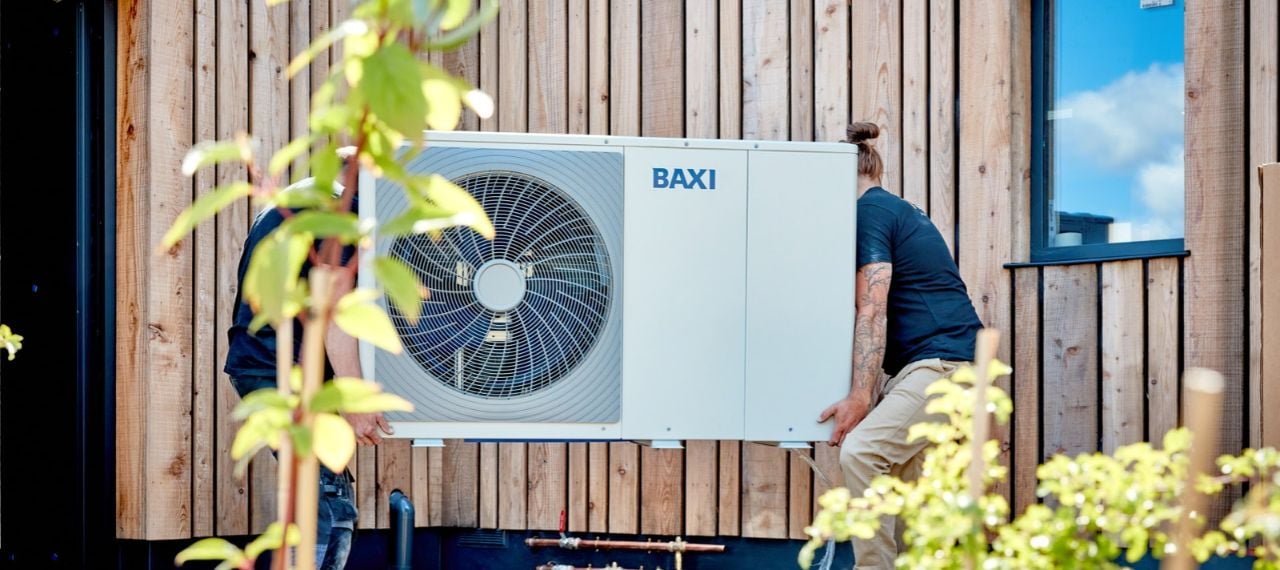
Heat pumps will continue to evolve in the years to come as the need for low carbon heating grows. As an example, our HP60 heat pump uses R290 refrigerant, which is a cleaner, natural refrigerant that has a lower Global Warming Potential (GWP) figure of 3. With new systems, controls and technologies creating more options for installers and homeowners, there are developments to keep pace with.
Understanding what’s available and how these technologies work can help build efficiencies and broaden your expertise whilst ensuring you’re ready for the next generation of heat pump installations.
Heat pumps are designed to work in cold temperatures. When correctly designed, installed and commissioned, homeowners can be assured of a comfortable home even in the most unpredictable of British winters.