
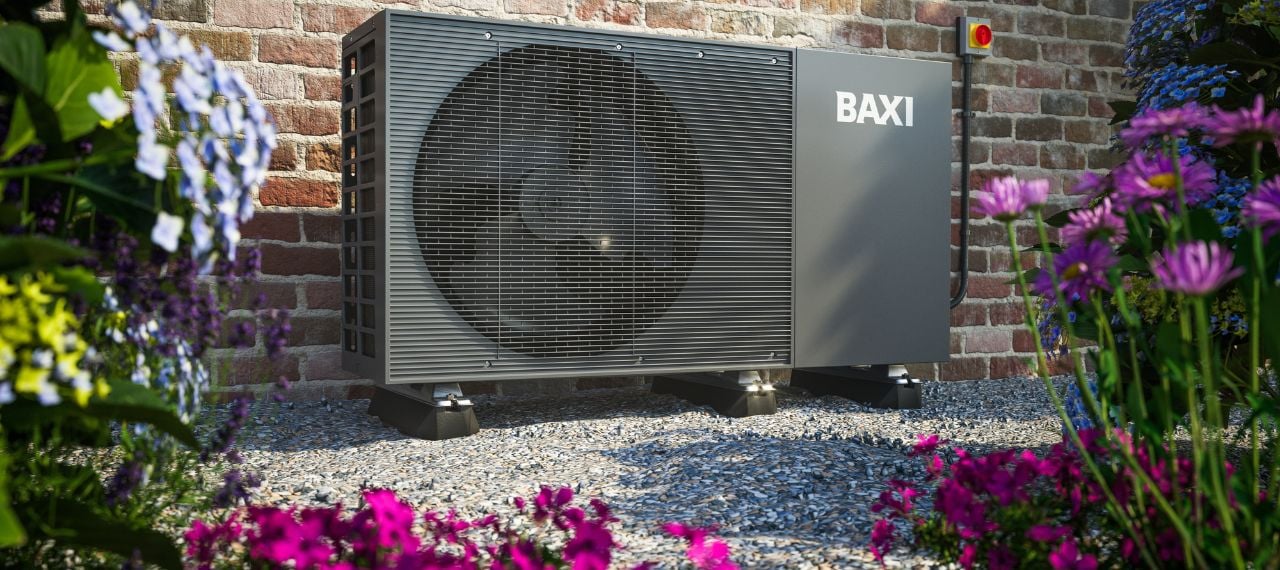
What the latest changes to the Boiler Upgrade Scheme mean for installers
Whether you’re already fitting heat pumps or considering expanding into this market, keeping up to date and understanding latest changes to government incentives is essential.
If you’re installing heat pumps in rural areas, there’s a good chance your customers could be eligible for additional funding through the Boiler Upgrade Scheme (BUS) temporary uplift.
The BUS is part of a package of measures designed to grow the low carbon supply chain and scale up heat pump deployment. Being able to identify customers who may qualify is important as it helps eligible homeowners reduce the upfront cost of installing a heat pump, making low-carbon heating more affordable. With this in mind, we’re here to help you understand what the changes are and the impact on your customers.
We’ll look a bit closer at:
The changes to the BUS and when they come into effect
The properties that will benefit the most
The new eligibility requirements
Changes to what installers need to do
MCS support with carrying out heat pump installations
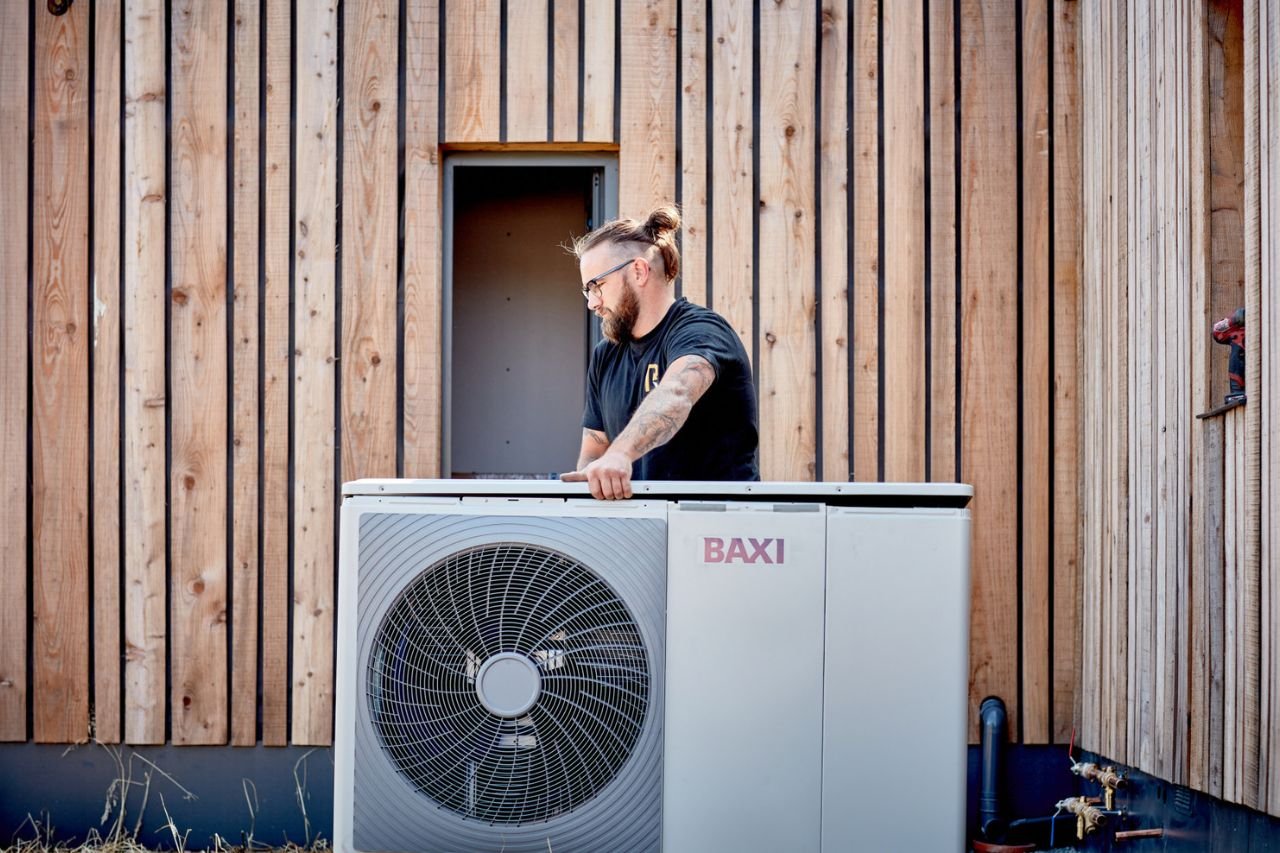
The changes to the BUS and when they come into effect
The new changes to the BUS will see a temporary uplift of £1,500 for properties heated by oil or LPG, bringing the total available grant to £9,000. It’s important to note that this uplift is only available for properties heated by these measures and off-grid property owners in England and Wales.
Applications for this uplift will be effective from July 21st 2026 and the uplift will remain in place until the end of March 2027.
Funding under the Warm Homes Plan has also increased for the 2025/26 period, with increased funding expected through to 2030.
Those with live vouchers can choose to revoke their voucher and reapply for a new voucher at the higher grant level once introduced. However, applications will only be eligible where the low carbon heating system has been commissioned no more than 120 days prior to an application being properly made.
The properties that will benefit most from the BUS changes
The uplift mentioned in the previous section aims to give particular support to off-grid properties that are susceptible to fuel price volatility and those in rural locations. Not only will they benefit from this uplift, but a homeowner’s running costs are likely to become more reliable.
The new eligibility requirements
Key changes to eligibility criteria for all BUS grant applications are as follows:
Installers must now deduct the BUS grant amount from the upfront cost of the installation
The requirement for a valid EPC has been relaxed
Technology scope extended
Temporary grant uplift for off-gas grid properties
Eligibility requirements that remain in place for BUS applications are:
The application must be for private domestic or small non-domestic buildings
The installer and product must be registered with the Microgeneration Certification Scheme (MCS)
The installation capacity must be below 45kW thermal output
The eligible product must be replacing an existing fossil fuel heating system or a direct electric system (such as panel heaters). Funding will not be available for replacement of existing low carbon heating systems
New build and social homes are not eligible for BUS, although self-build properties can claim support.
It’s still possible for a homeowner to apply for funding if they have already received separate funding to help with the cost of efficiency measures, such as insulation improvements and upgrades to windows and doors. However, the installation itself cannot be funded by more than one source, nor can the homeowner apply for the new uplift if they’ve already received support for a heat pump or biomass boiler.
Changes to what installers need to do
Under these changes, the BUS grant amount must be deducted from the upfront cost of the installation, rather that the grant figure being reimbursed to the homeowner afterwards. The quote and invoice must show the cost before and after the grant has been applied.
The requirement for holding a valid EPC has been relaxed and instead, evidence can be supplied by a utility bill, photographs of the existing system, and the certificate number of the last valid EPC.
MCS support with carrying out heat pump installations
Working under our MCS Umbrella Scheme will enable you to support your customers with accessing the new Boiler Upgrade Scheme uplift and ensuring the work you carry out meets exact standards.
Our range of training courses will help you build the skills needed to meet the growing demand for heat pumps, particularly with the new uplift making it easier for properties in off-grid locations to access support for low carbon technologies.
See our full range and information out our MCS Umbrella Scheme below.
MCS Umbrella Scheme
No MCS or need extra support? No problem. We’ll handle the design, paperwork and compliance, guiding you every step of the way so that you can deliver efficient, low carbon heating with confidence.
Heat Pump Training
Our range of courses are designed to help you improve your skills so that you can work confidently and efficiently with air source heat pumps.