Air source heat pump sound assessment: What you need to know on-site
If you’re installing heat pumps, carrying out a sound assessment is an essential part of planning for the job.
It should occur as part of the site survey when you’re first looking at the property and working out where everything is going to go.
This isn’t just best practice. It follows MCS Standard 020 and ensures compliance. There are simple steps to carry out this calculation which can be found here.
In this blog, you will discover:
How noise behaves on-site
Why sound assessments need to be done early?
What MCS 020 is really asking you to do
How do you carry out a sound assessment in line with MCS 020?
Training, support and getting it right first time
How noise behaves on-site
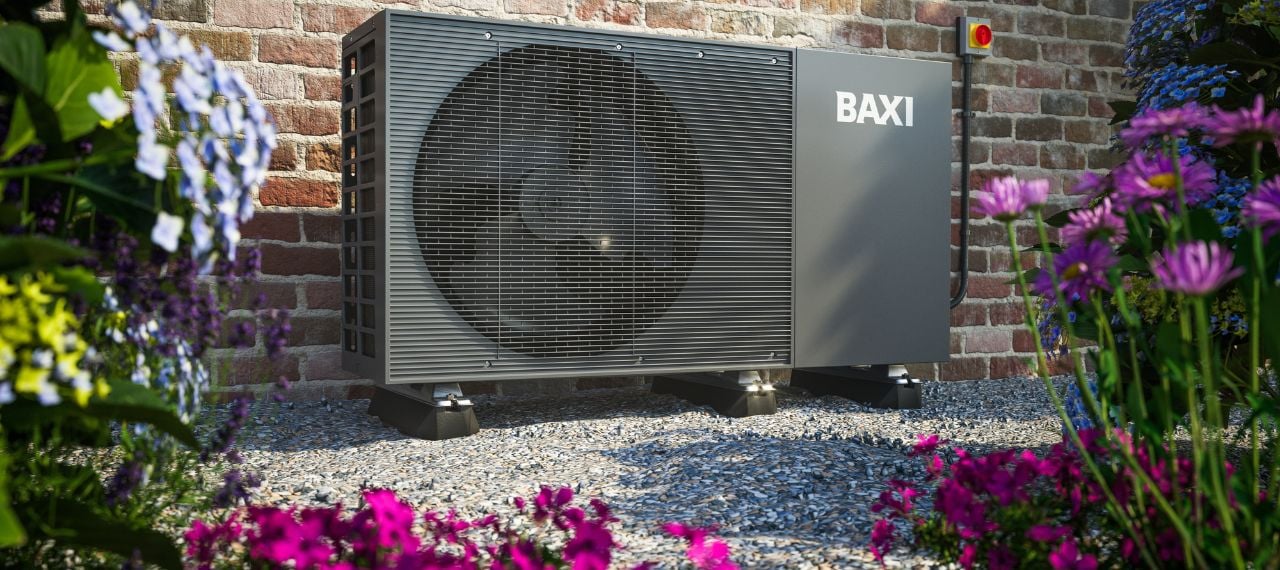
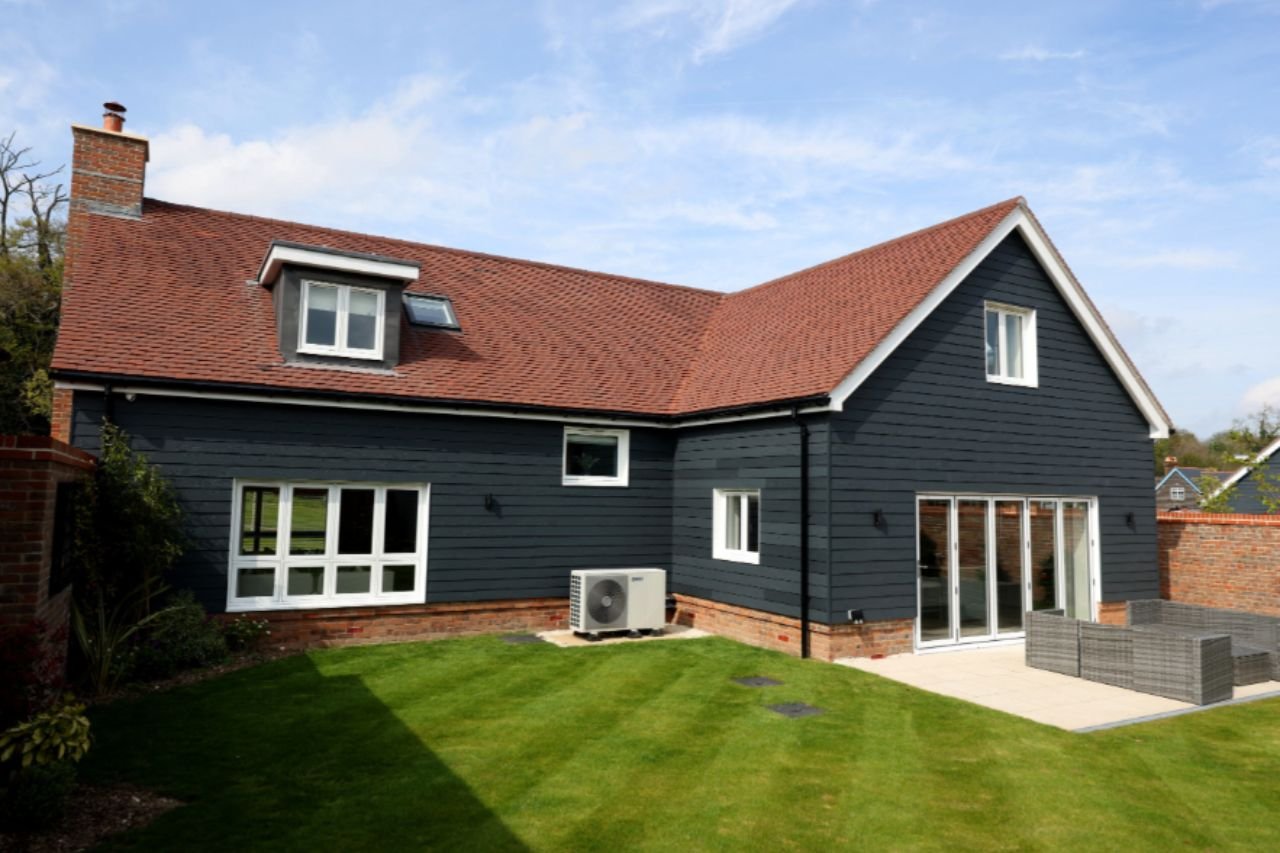
You’ll see noise measured in decibels (dB). Think about it in terms of the unit makes a certain level of noise; the further away it gets the less noticeable it becomes. So, what you're judging is how that noise is going to behave in a specific location, considering:
How loud the unit itself is, known as sound power
The distance to neighboring properties
What's around the unit it, eg walls, corners, fencing or open spaces
Visibility of the unit for the homeowners’ neighbours
The same unit located in two different places can have different sound perception. One install location might be barely noticeable whereas another might get noise complaints. The difference is almost always down to layout and not the equipment.
Why sound assessments need to be done early
At survey stage, you’ve still got full control. You can:
Choose the best location for the heat pump
Avoid obvious noise concerns
Spot tight or reflective areas before committing to them
Consider neighbouring properties
Consider bedrooms and habitable spaces
This is really important as part of the planning stage, because once you start installing, options such as these can narrow quickly.
What MCS 020 is really asking you to do
MCS 020 Standard is there to make sure:
The installation is compliant with MCS standards
The installation fits within permitted development
The system won’t cause issues for the homeowner or neighbours
Sound levels are considered before installation
The outcome is predictable and not left to chance
A sound assessment proves that sound has been properly considered.
*Terms and conditions apply