Heat Pumps

Air Source Heat Pump Comprehensive Guide

There is so much information out there when it comes to having an air source heat pump at your property. Here is our helpful guide on the main questions you might have about having an air source heat pump, before, during and after the installation.


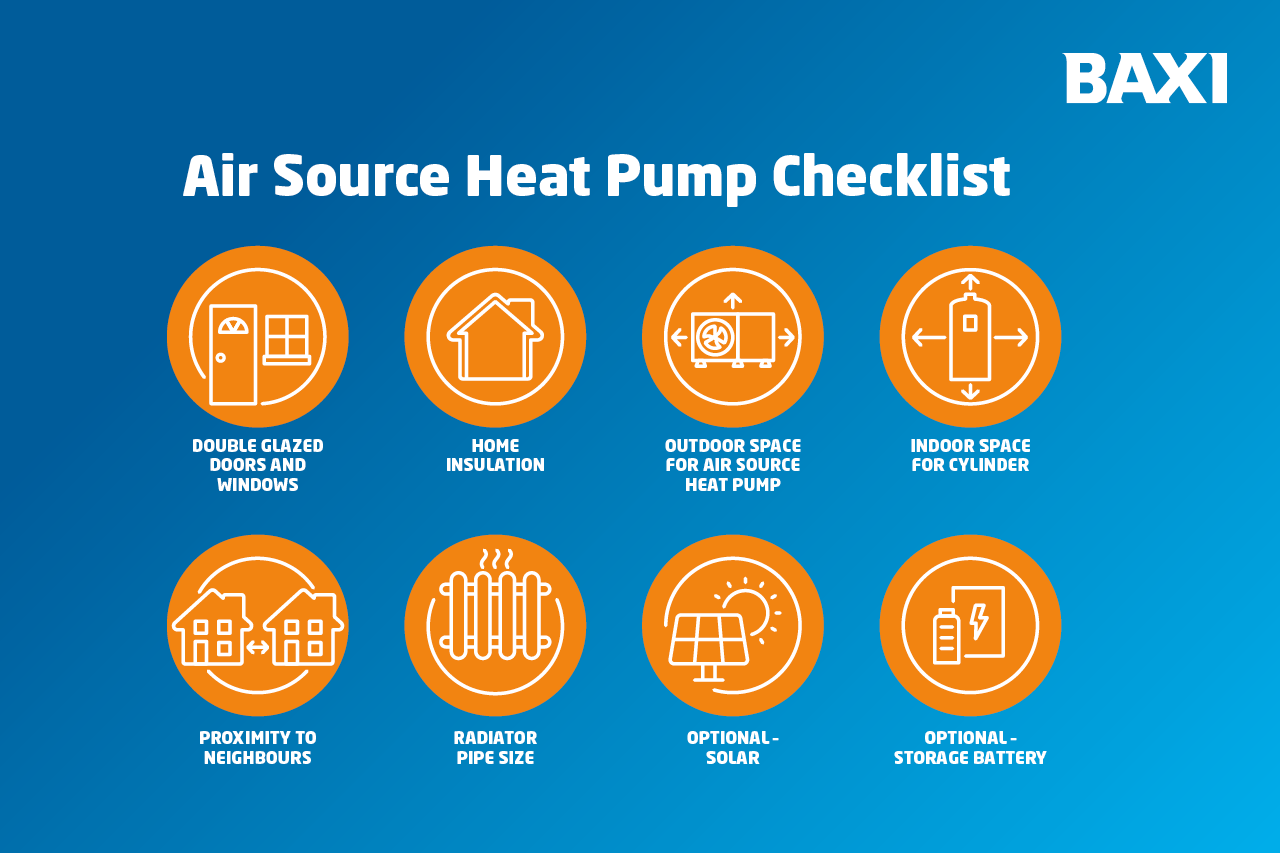
Discover our downloadable checklist of some key points to keep in mind, so you can make the best choice for your requirements. 

Questions to consider pre-installation

Is the cylinder noisy?
Hot water cylinders are designed to be fairly quiet. However, they are not silent. A cylinder will make some noise occasionally as a normal part of its operation, however if it’s constantly hissing or banging, then there may be an issue to look at. Most of the issues that occur with a cylinder can be prevented by proper installation, servicing, and maintenance.  
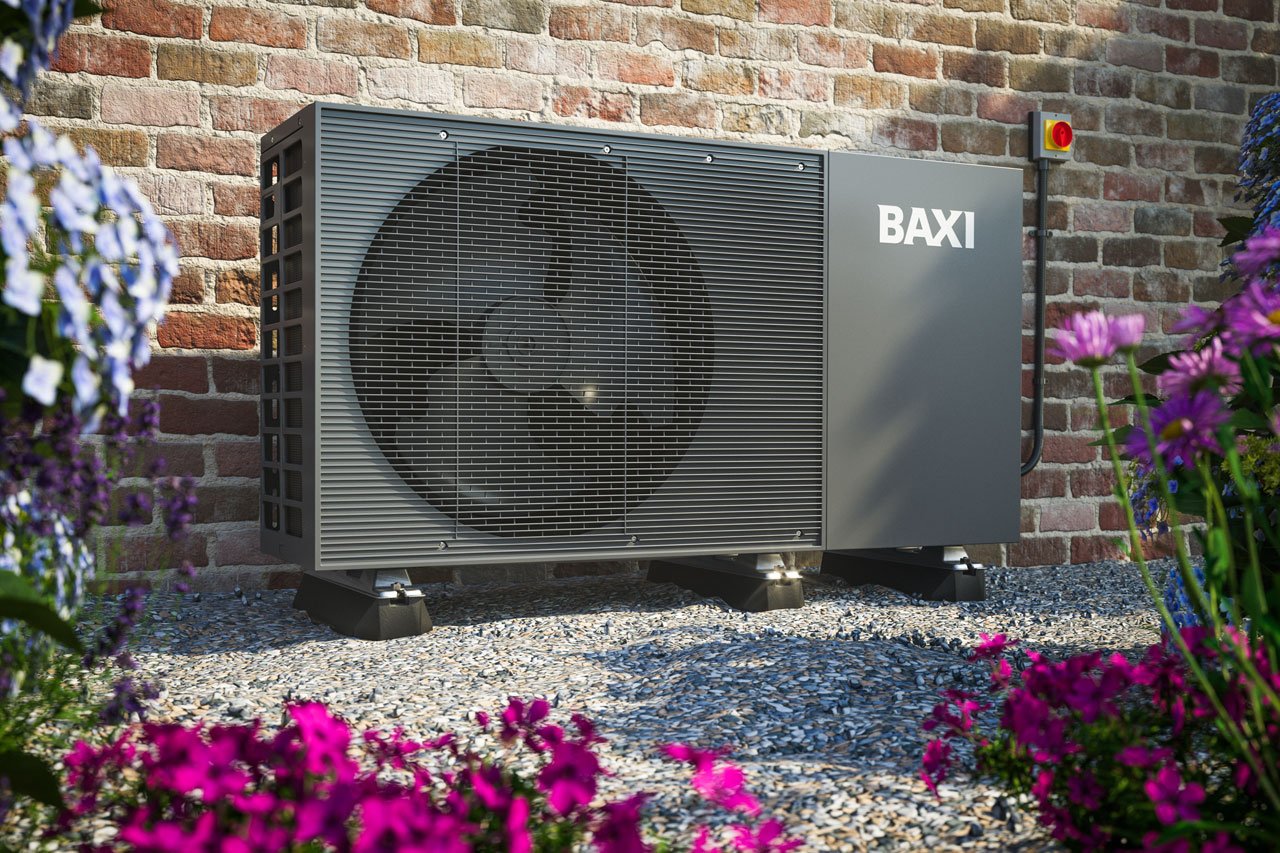
Why is it important to have space around the air source heat pump? How much space should I leave?
There should be enough space around your heat pump to allow air to flow unobstructed across the outside unit and be drawn in effectively. Having clear space around the heat pump is also important for access during maintenance and servicing. Though they are quiet units, clear space around a heat pump also minimises noise disruption further by preventing vibration against walls or windows.

Generally speaking, you should leave around one metre around the fan of your heat pump and 50cm on the sides and the rear of the outside unit, but this is only a rough guidance.
What is heat loss? How is it calculated?
A heat loss calculation is carried out using specialist software as part of the installation process. It is used to work out the heating needs of your property and the heat pump’s suitability. It is essential for working out your heat pump’s efficiency and gives an idea of the running costs. 

Heat loss calculations are worked out by measuring the effectiveness of your insulation, taking into account factors such as the dimensions of each room and how often the temperature changes inside and outside of your property. This is why no two calculations are ever the same.
 
Will an air source heat pump installation improve my EPC rating? Will the value of my house improve?

An EPC (Energy Performance Certificate) rating reflects a home's carbon footprint. It can be improved through the installation of various energy efficiency upgrades, such as insulation. 

Generally speaking, having an ASHP installed is seen as being an advantage when it comes to improving efficiency ratings. Alongside other measures like double glazing and solar panel installations, ASHPs are becoming a value enhancement, key to a property’s selling price on the market.

EPC and carbon footprint explained:

Energy Performance Certificate (EPC): A certificate required for selling or renting a property, graded A (best) to G (worst) on energy efficiency and environmental impact.
Carbon Footprint: The total amount of greenhouse gases (like CO2) produced by a home's energy use for heating, lighting, and power.

How EPCs Relate to CO2 Emissions

Direct Correlation: A higher EPC rating directly means lower predicted CO2 emissions, as the assessment considers energy use for heating, lighting, and hot water.
Rating Bands: Each jump up in the A-G scale represents a significant reduction in CO2, with each band potentially cutting emissions by 30-40% on a diminishing scale.
Example: An EPC B-rated house might emit around 2 tonnes of CO2 annually, while a similar house with a D rating could emit about 4 tonnes.

 
I have a 3 bed house. Is an air source heat pump suitable for me?
An air source heat pump can work well for a three-bedroom property. Your installer will take various factors into account, including the home’s insulation, the layout and size of rooms, and even the local climate.  

It is important to remember that heat pumps have different heating output capabilities. Understanding your home’s heat loss ensures that you have the right size heat pump based on your energy demands and your home’s characteristics. 

Typically, UK homes need between 6 – 8 kW systems to provide a comfortable level of warmth, depending on the size of the property and its insulation, alongside other factors.
Show more

Related Articles

Find an Installer

Simply enter your postcode and find a local, trained, Gas Safe registered (where applicable) engineer to give you a no-obligation quote on a new boiler, cylinder or air source heat pump installation.

Grants for Heat Pumps

Different areas may offer different grants to help you with the cost of installing an air source heat pump. We provide a brief overview and links to some of the main organisations that you can contact for further information on grants and loans. 

Baxi Heat Pumps

Our Air Source Heat Pumps will deliver reliable, energy-efficient performance. Suitable for a wide range of properties.

Glossary

If DHW, Boiler Plus or ASHP sound like gobbledegook to you, check out our jargon buster. If you can’t find the term you are looking for, let us know and we’ll add it to our list.