
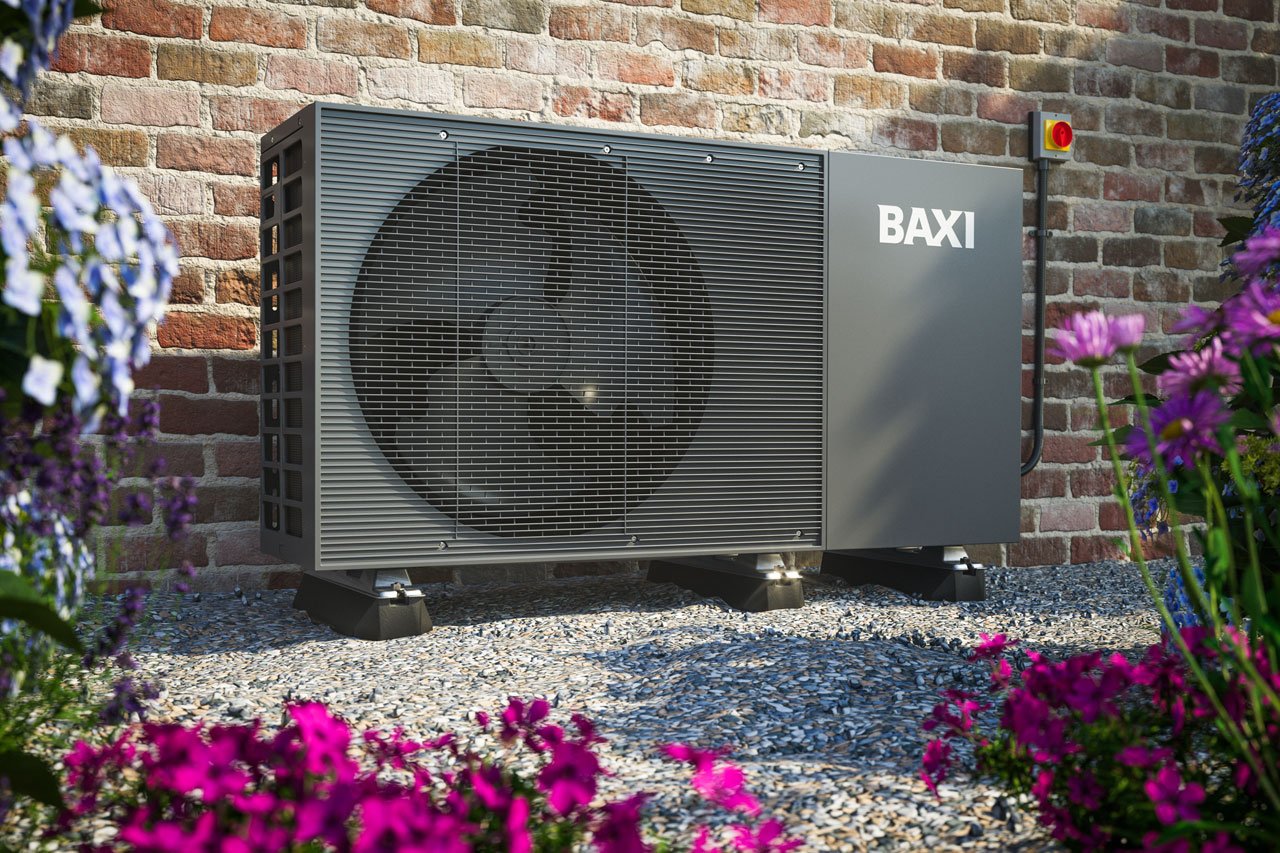


Is an air source heat pump noisy?
Air source heat pumps are quiet pieces of equipment. It is always good to consider installation location. Care should always be taken when installing to mitigate any reflected noise that may cause a nuisance.
Technological advancements have made modern units much quieter, but it's still an important consideration at the early stages of planning a heat pump installation.
Understanding noise levels of air source heat pumps
There are two main terms used to define sound when it comes to ASHPs:
Sound power level - measured at the unit
Sound pressure level - measured at certain distances
Sound power is measured at the source of the noise emission, independent of distance or the surrounding environment. All ASHPs have their fixed sound power level displayed on the ErP label.
The sound pressure level will depend on the distance from the source and the environment the ASHP is situated in. The greater the distance, the quieter the unit will sound. Calculating the sound pressure level is an important step in the installation of an ASHP.
Typically, the sound pressure level from heat pumps ranges from 48 to 68 decibels — comparable to a quiet refrigerator.
This noise level is generally unobtrusive, but can vary based on the choice of model and installation location. Advanced models often incorporate noise-reduction technologies to keep the heat pump quiet, reducing the potential for noise disturbance.
The location of the heat pump plays a significant role in how noise travels. Installing the unit away from living areas can mitigate noise perception. Compared to other household appliances, like a refrigerator, air source heat pumps are generally similar, making them suitable for residential settings.
Guidelines and regulations for heat pump noise
Compliance with noise standards is essential, especially in densely populated areas. In the UK, regulations exist to manage heat pump noise and minimise disturbances to neighbours. These state that the noise from an air source heat pump cannot exceed 37dB(A) when measured to the nearest neighbouring property. Proper installation, including placing the unit on a solid base and away from windows, is key for reducing the risk of heat pump noise complaints.
MCS 020 a) is an industry specific planning and sound calculation for measuring heat pump noise levels. Most units are designed to operate within permissible noise levels, ensuring efficient heating without excessive noise. Consulting with experts can provide tailored advice on installation, helping to ensure your heat pump remains quiet and compliant with local noise regulations.
Noise levels are recorded as a standard part of an air source heat pump installation, so you can be assured that when it comes to having one fitted, your ASHP will have already met the required regulations and the likelihood of your neighbours being disturbed is very low.
Other regulations updated in May 2025 state that air source heat pumps can be installed anywhere within the property boundary, as opposed to being a minimum of one metre away from it. While this does allow you greater choice when it comes to where your unit is situated, it is still important to keep the noise regulations in mind, as well as the normal operation and maintenance clearances.
Strategies for minimising heat pump noise
Strategically placing your air source heat pump is crucial for reducing noise. Install the unit away from bedrooms and living areas and consider using acoustic panels or fences to dampen noise. Insulating pipes can also prevent noise from travelling through your home.
Routine maintenance plays a key role in minimising air source heat pump noise. Keeping the unit clean and free from debris not only enhances efficiency but also reduces noise levels. Regular maintenance checks can identify issues before they become a bigger problem. Implementing these strategies allows you to enjoy the benefits of air source heat pumps with minimal noise disruption.
Addressing concerns about noise impact
A common misconception is that air source heat pumps are noisy with disruptive sounds, but most operate at low decibel levels, especially when installed correctly. Advanced settings further reduce heat pump noise during quieter periods. Users often find that the benefits of efficient heating and a potential reduction in energy bills outweigh any minor noise they may hear from the heat pump.
Testimonials frequently highlight how the advantages of air source heat pumps surpass any potential noise complaints. Users emphasise consistent comfort levels and sometimes a reduction in energy costs, reassuring others that noise from heat pumps can be mitigated with proper installation and maintenance. Most ASHPs also have a silent mode that can be used to reduce the noise level of the outdoor unit during specified hours. However, it is worth keeping in mind that this mode can limit the performance of an air source heat pump.
Choose Baxi for air source heat pump installations
At Baxi, we understand that it’s natural to be concerned about noise disruption when looking at having an air source heat pump installed. Your installer will work with you to ensure your unit stays within regulations and any disruption to your neighbours is kept to an absolute minimum.
Speak to our customer service team for more about having an air source heat pump fitted at your property.
Baxi heat pumps
Our air source heat pumps will deliver reliable, energy-efficient performance. Suitable for a wide range of properties.
Heat Pump Resource Hub
Whether you’re exploring having an air source heat pump installed at your home, or have one already and want to know how to get the most out of it, we have everything you need to find the answer to your questions.