Where to install an air source heat pump
Installing an air source heat pump is an excellent step towards improving your home's energy efficiency. However, the location of the heat pump plays a crucial role in its performance.
This guide offers insights into where your installer will consider positioning your air source heat pump, the rules that need to be adhered to, and how to maximise the efficiency of the unit. Whether you’re upgrading an existing system or embarking on a new self build installation, understanding how to correctly locate a heat pump is vital in helping achieve your energy-saving aspirations and avoid post installation challenges.
Distance and proximity considerations for air source heat pump installation
As a general rule, ASHPs tend to be situated at least 30cm from the property's boundary. This ensures proper airflow for the heat pump, which can affect performance and cause maintenance issues.
Ideally, the heat pump itself should be placed close enough to your property's exterior wall so that heat loss through pipework is minimised, but far enough away so that clearances are met and there is no disruption from vibrations or noise.
Noise levels should also be considered in highly urbanised areas or where the neighbouring property is close. Whilst most air source heat pumps are relatively quiet, they are not silent, so we suggest positioning your unit away from bedrooms or where it could cause a disturbance to neighbours.
According to updated rules which came into effect in May 2025, the noise from your heat pump must remain lower than 37db, when measured from the nearest neighbour's habitable room.
Distances from drains and other openings to the property may need to be considered depending on the type of heat pump.
Suitable locations for an air source heat pump
Most air source heat pumps are situated in the back garden of the property or next to an exterior wall along the side or rear of the building itself.
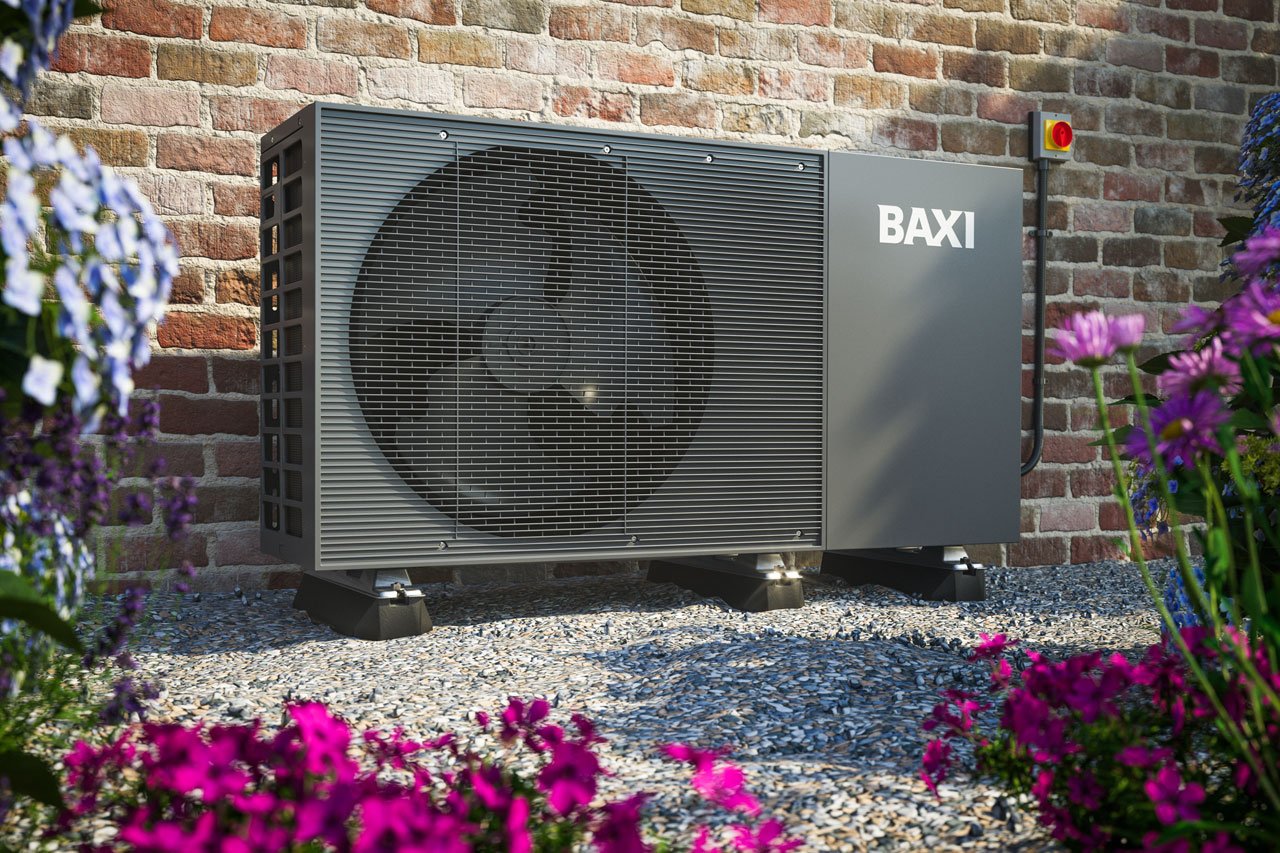
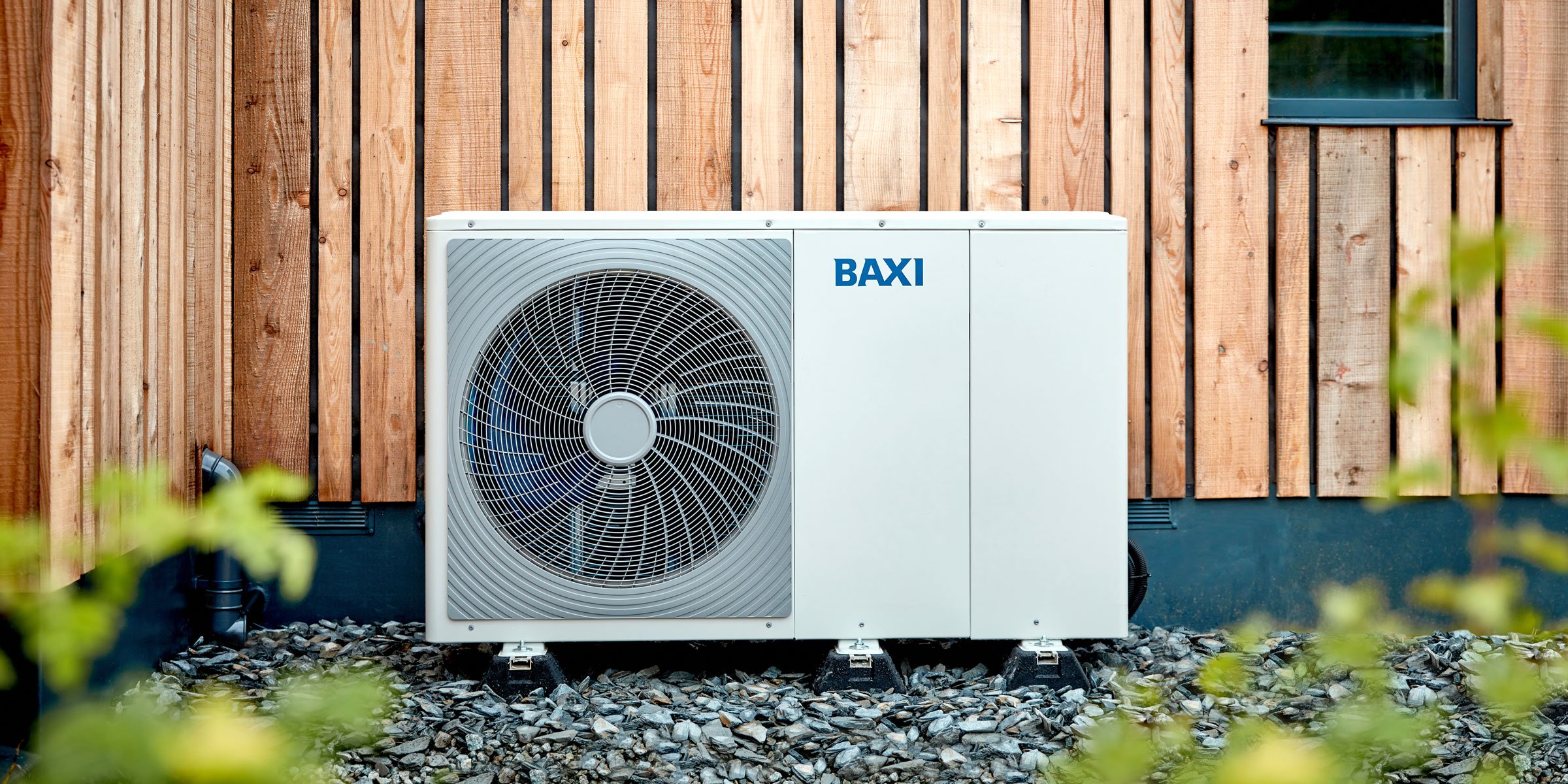
ASHPs should be placed on a stable, flat base such as a raised concrete platform. This limits the impacts from vibrations and also protects it from frost and standing water. This also allows for effective drainage and ventilation around the unit.
Your unit should also be accessible for servicing and have sufficient airflow across the fan, which will be used for the heating cycle. Remember to check that this is clear of leaves and debris during the autumn months.
Locations to avoid when installing a heat pump
Though permitted development rights around air source heat pumps have been relaxed, there are still some factors to consider, particularly for listed buildings or homes within conservation areas. Always check with your local authority if you have any doubts.
Keeping a heat pump at a reasonable distance from shared neighbouring property windows and locating in accordance with latest standards will help to ensure a smooth installation.
Narrow alleyways beside your property should be considered with care to ensure appropriate clearances and sound requirements are met.
During the winter months, there may be a risk of ice around your heat pump, which can be mitigated by having gravel underneath it to allow condensate to safely drain into. Another option would be to take this condensate to a drain.