What you need to know about your air source heat pump’s cylinder
If you’re looking to use your air source heat pump (ASHP) to meet your hot water demands alongside heating your home, you will need to have a hot water cylinder.
Unlike a combi boiler, heat pumps do not provide instantaneous hot water, meaning hot water storage is required.
In this article, we will look more closely at:
How an air source heat pump cylinder works
The considerations to have in mind when having an ASHP cylinder installed
When a cylinder might not be needed
Getting started with a heat pump and cylinder installation
How does an air source heat pump cylinder work
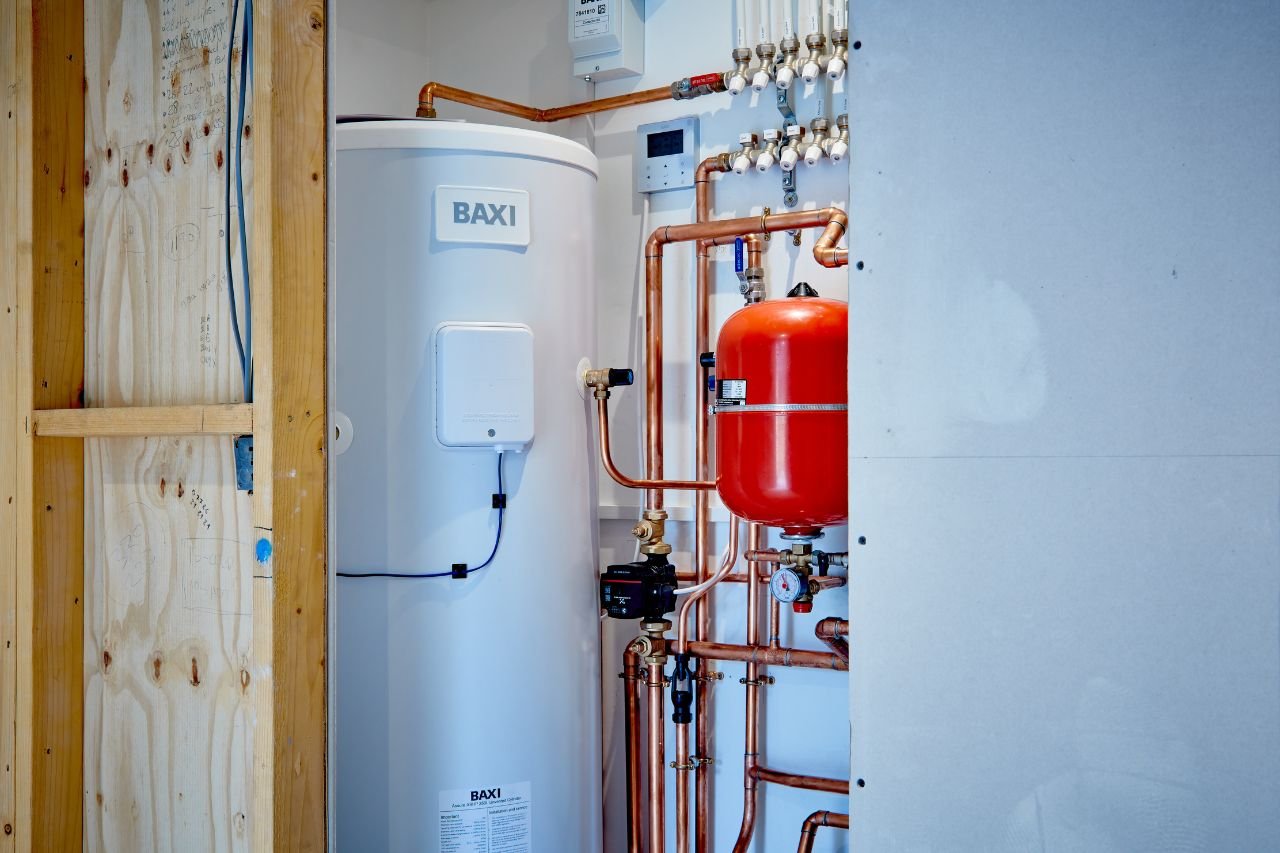
An ASHP cylinder is specifically designed to work with the lower flow temperatures that a heat pump operates at. It does this by having a larger coil than would be used in a traditional boiler cylinder, allowing heat to be transferred faster to the water inside the cylinder even at lower temperatures.
A heat pump provides a continuous supply of warmth to heat your home according to your selected temperature, using ambient heat from the outside air to do so. This same ambient heat is what is used to heat the water in your cylinder when required.
An air source heat pump paired with a cylinder is a more efficient way of producing hot water when compared to a fossil fuel appliance. The system will be designed to maximise performance and deliver comfort for both your heating and hot water needs.
The considerations to have in mind when having an ASHP cylinder installed
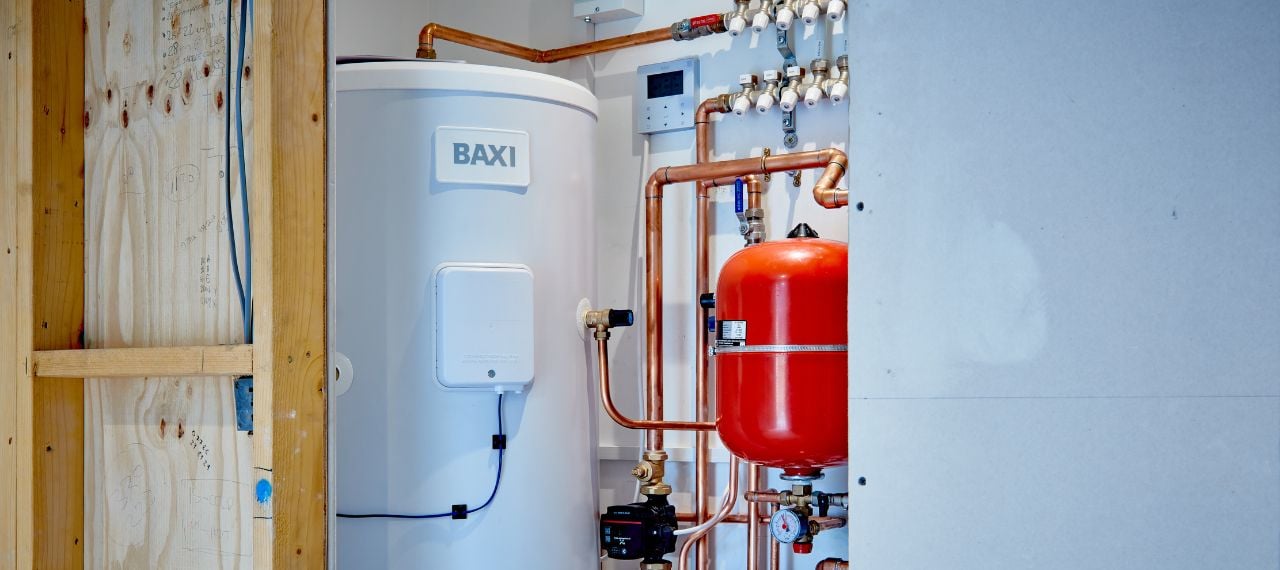
As is the case with standard hot water cylinders, space and location are key considerations for an ASHP cylinder. Most ASHP cylinders will be fitted in a utility room, airing cupboard, or loft. Your installer will consider any weight bearing and access requirements. If you need a cleaner, more compact, faster installation then a pre-plumbed, pre-wired cylinder may be a good option.
Another factor to consider is your typical heating and hot water usage. This will determine what capacity your cylinder needs to be, in order to meet these needs. Your installer will discuss your requirements with you as well as looking at the number of bathrooms and bedrooms.