Can an air source heat pump work alongside a boiler?

Absolutely! This is often referred to as a “hybrid system” and can be a great first step to fully decarbonising your heating system.


This hybrid approach combines the strengths of both systems, delivering reliable heating tailored to your home's requirements. By understanding how hybrid air source heat pumps integrate with a boiler, you can make informed decisions for a sustainable and cost-effective home heating solution. 


What is a hybrid heat pump system?


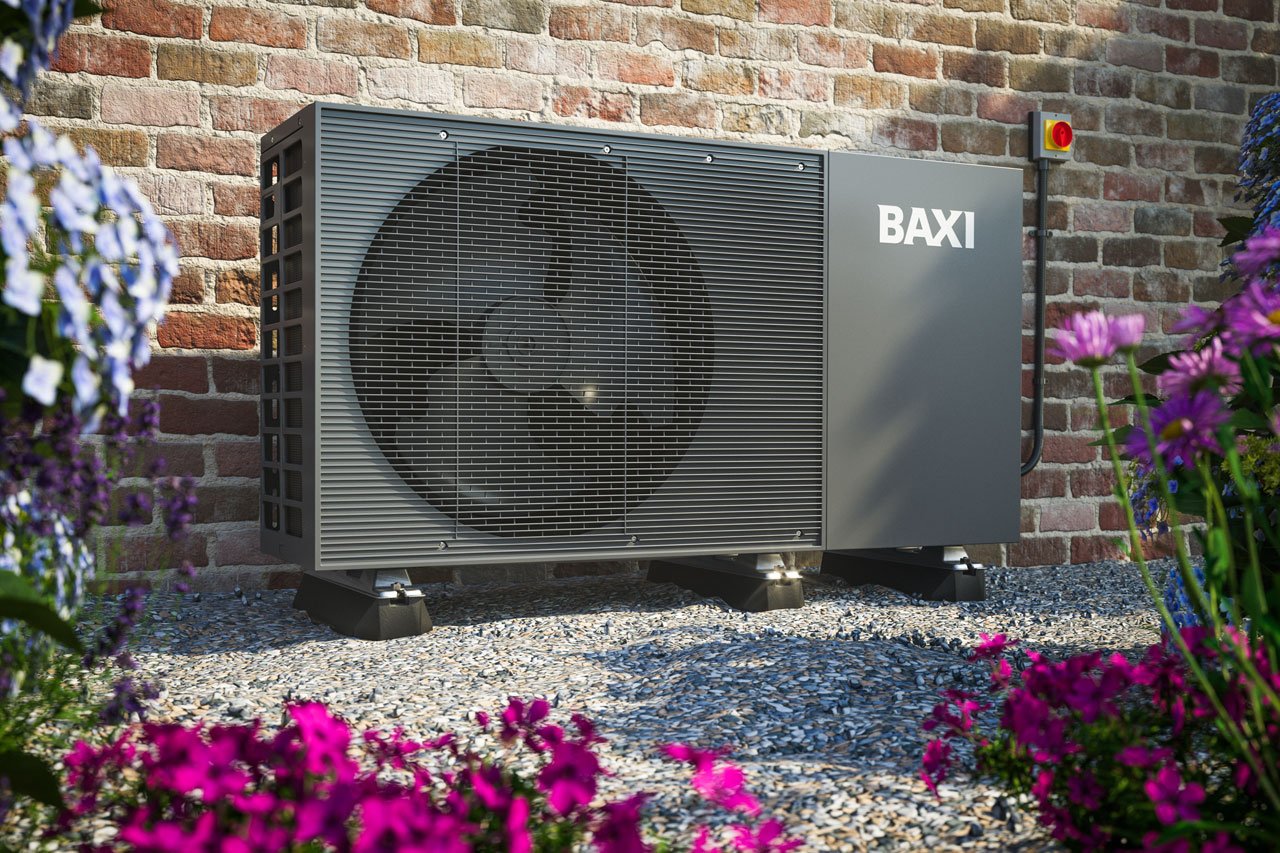
A hybrid heat pump system combines an air source heat pump with a traditional gas or other alternative heat source, creating a flexible and efficient heating solution.


A hybrid system is typically designed and set up to either switch between technologies based on running cost or when external temperatures drop below a certain point. When you ask, "Can an air source heat pump work alongside a boiler?" the answer lies in the design of these hybrid systems, which seamlessly switch between the two heating sources to optimise energy efficiency and reduce carbon emissions. Search via our installer tool to speak to an expert and find out more about a Air Source Heat Pump design and installation.

Our Solutions
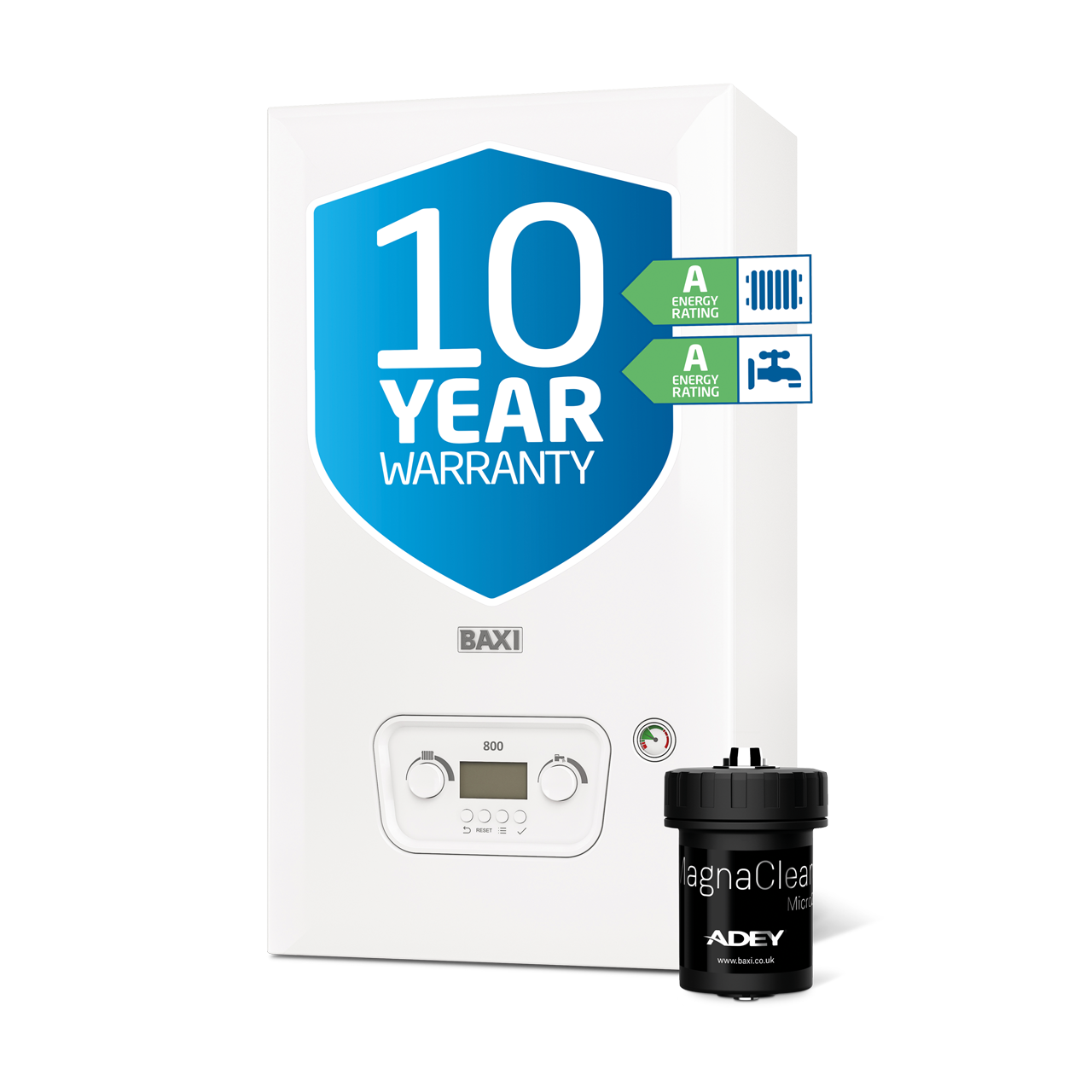
Baxi 800 combi 2-1 thumbnail

Boilers

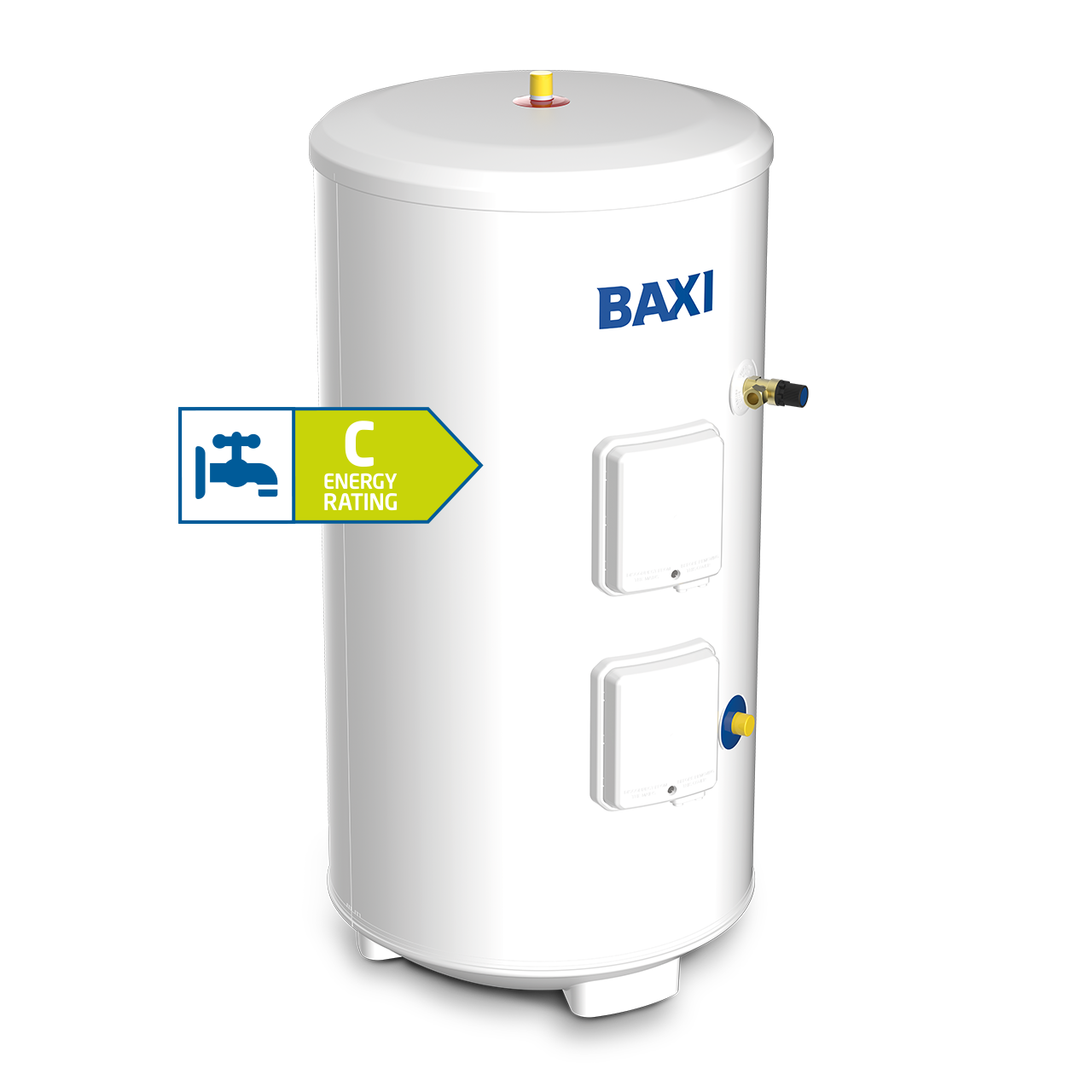
Baxi Direct Cylinder

Cylinders

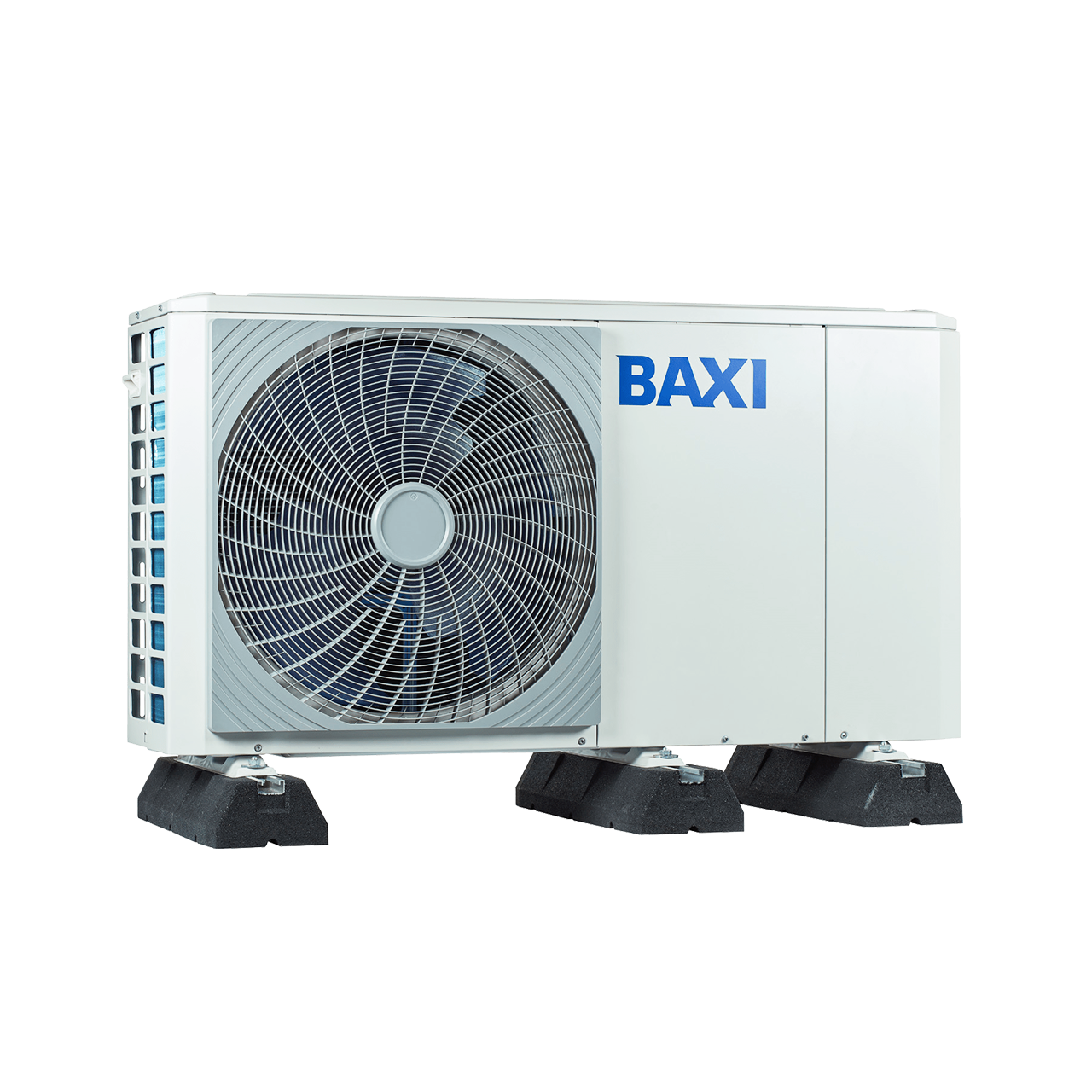
Baxi HP40 Monobloc Air Source Heat Pump

Heat Pumps

How hybrid air source heat pumps and gas boilers work together


Integrating a hybrid air source heat pump with a gas boiler forms a robust highly efficient heating system. You can set up your hybrid system to switch to always have the best running cost, or on external temperature as noted there, or on optimisation of CO2 emissions. Compatibility is key, requiring that both systems coordinate effectively in terms of controls and flow rates.


For successful integration, modifications to existing heating infrastructure may be necessary, such as upgrading radiators to match the lower temperature water typical of hybrid air source heat pumps. Smart controls can further enhance efficiency by intelligently managing the switch between the heat pump and boiler based on real-time needs.


Benefits of a hybrid system


Choosing a hybrid heating system brings numerous benefits. By combining an air source heat pump with a traditional boiler, homeowners can enhance their home's energy efficiency while reducing environmental impact. This hybrid system takes advantage of the heat pump's ability to utilise renewable energy, which lowers operating costs and decreases carbon footprint.


The flexibility of a hybrid air source heat pump system ensures reliable heating year-round, with the heat pump addressing most heating needs during milder conditions and the boiler stepping in as needed. This approach not only offers consistent heating performance but also leads to reduced energy bills, making it an attractive option for those seeking a balance between comfort and cost-effectiveness.


Considerations before installation


Before installing a hybrid air source heat pump and gas boiler, it's important to assess your home's specific heating needs. Factors such as property size, insulation levels, and the current system's efficiency will influence the suitability of a hybrid system. Consulting with professionals can help determine the best setup for your home, ensuring that the hybrid heating system is tailored to your needs.


While the initial costs for a hybrid setup can be significant, the long-term savings on energy bills often make it a sustainable investment.

Related FAQs

Should I turn off my air source heat pump in the summer?

Air source heat pumps work best when they are allowed to run continuously. You’ll need to keep it switched on, even in summer, for it to work efficiently throughout the year.

Are air source heat pumps safe?

Air source heat pumps that are installed correctly and in accordance with key guidelines are designed to be safe and efficient, with numerous safety features required as part of the installation.

Are there grants available for air source heat pumps?

Grants such as the Boiler Upgrade Scheme are available to help eligible households with the cost of having an air source pump installed at the property.

Can an air source heat pump improve my EPC rating?

According to the UK government’s Simple Energy Advice website, installing an ASHP in a typical four-bedroom detached house could improve the property’s EPC rating from a D to a B, potentially saving homeowners up to £1,300 per year on their energy bills.

What size air source heat pump do I need?

When talking about the size of an air source heat pump, we’re actually referring to the power output, measured in kilowatts (kW) rather than its physical size. The output your heat pump will need to deliver depends on unique aspects of your home, such as:

  • The size and layout of your property
  • Occupancy and average heating usage
  • How old your property is
  • Quality of insulation
  • Type of windows
  • Your desired indoor temperature 

These, naturally, will be different for everyone, so be sure that you assess all of these carefully with your installer.

Show more

Loading component...