Why switching off your heating for the summer might be more expensive
When the sun comes out and temperatures soar, your central heating is likely the last thing on your mind.
In fact, you might be tempted to turn your boiler off completely during the summer months. However, this may be more expensive in the long term than leaving it running at a lower level.
While some sources claim that switching off your heating in summer saves energy, the reality is that doing so could cause issues later on in the year when you really need the extra warmth.
Read on for more about:
• The problem with switching off the heating
• Why you’ll still need to keep your heating on
• The importance of using holiday mode and smart technology
• How to switch off what you don’t need
The problem with switching off the heating
Switching off the heating in the warmer part of the year might sound like the smart way to save on your bills but doing so could cause problems in the future.
Parts of your system could seize up and potentially fail when you turn it back on. This ultimately leads to costly repairs being needed that may not necessarily be included in your warranty, along with the added disruption of needing an engineer to fix the problems.
Keeping the system running, even on the lowest possible setting, ensures that critical components stay in good working order. When you have your annual service, these parts will be checked for any repairs you might need to make before they escalate.
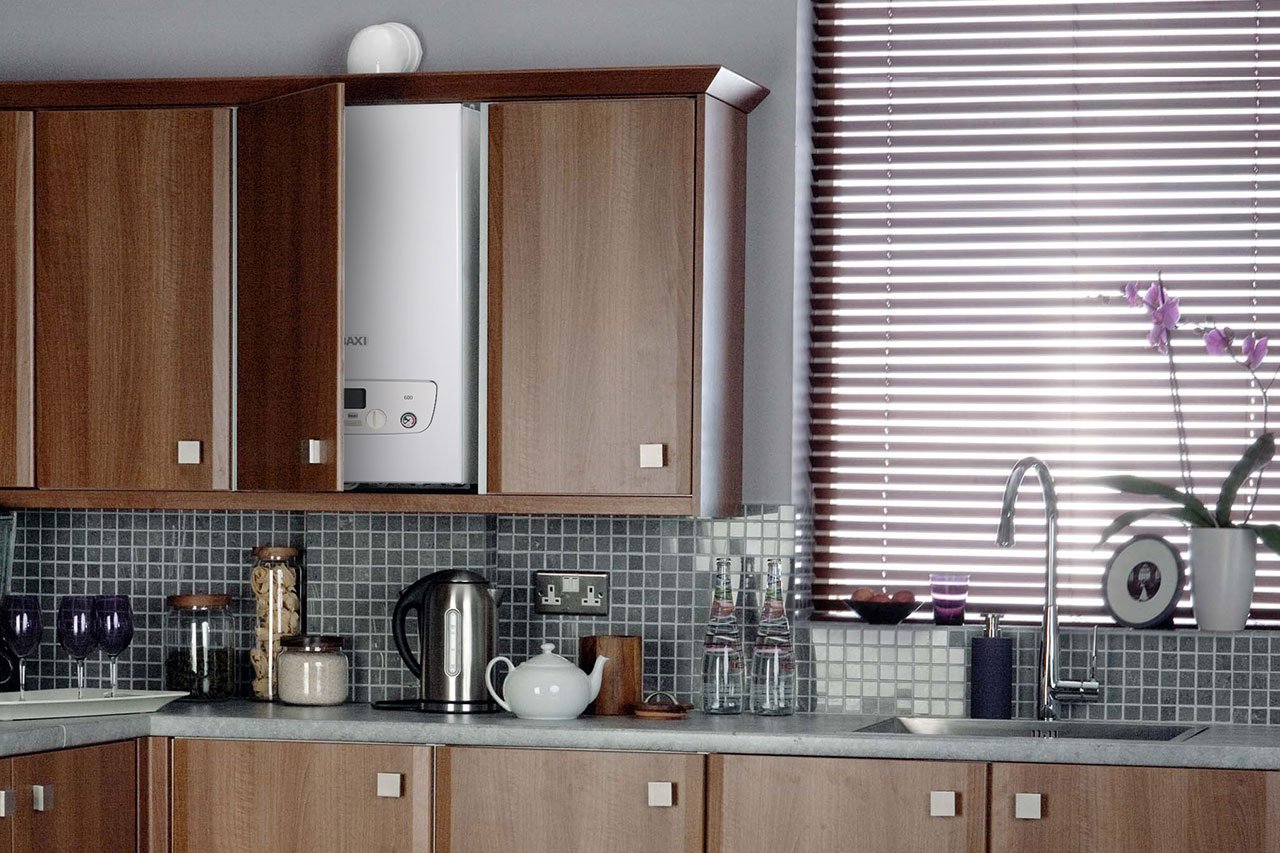
Why you still need to keep your system running in summer
While you are highly unlikely to need the heating on during summer, you will still need your system working in order to have hot water for other household uses, including showers and cleaning dishes. Modern systems enable you to switch off the heating while still having hot water.
Keeping the system running also ensures that the pipework is free from sludge buildup. Sludge forms when the water in your central heating reacts with the metal in your pipes and radiators. Left untreated, sludge can damage your system and, again, lead to a significant cost to repair. Having the system running, even at a low capacity, reduces the risk of these build ups and the problems associated with it.
If you have a hot water cylinder, you will still need the water inside it to be heated to at least 60 degrees Celsius to combat legionella bacteria.
The importance of holiday modes and smart technology
Using holiday modes and smart technology can be an effective solution for maintaining the system without wasting energy. Holiday modes are particularly useful for when you’re away for an extended period of time – the setting prevents energy from being wasted from having the radiators on during the warmer months while still keeping the system ticking over and having hot water when you get back.
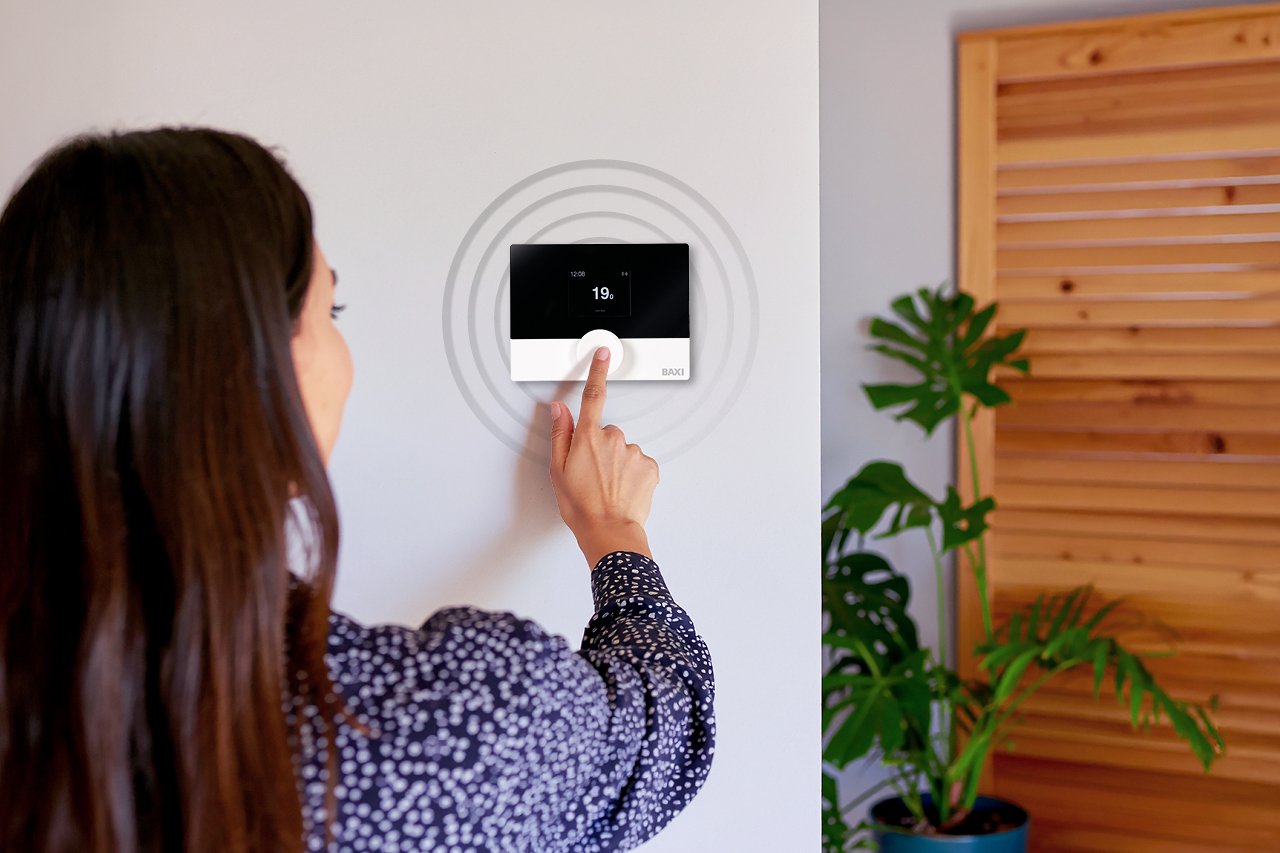
You can also use the settings on a smart thermostat, such as the Baxi AmbiZen Smart Thermostat, to control the temperature while you are away. This can be particularly useful in keeping the system working at a low level while you’re away, which can stop humidity building up, and reduce the likelihood of key components seizing up.
We all know that the UK weather can be unpredictable at the best of times. Thankfully, smart thermostats can adjust their settings automatically according to the weather conditions and how much energy is needed for optimal comfort and efficiency.
How to switch off what you don’t need
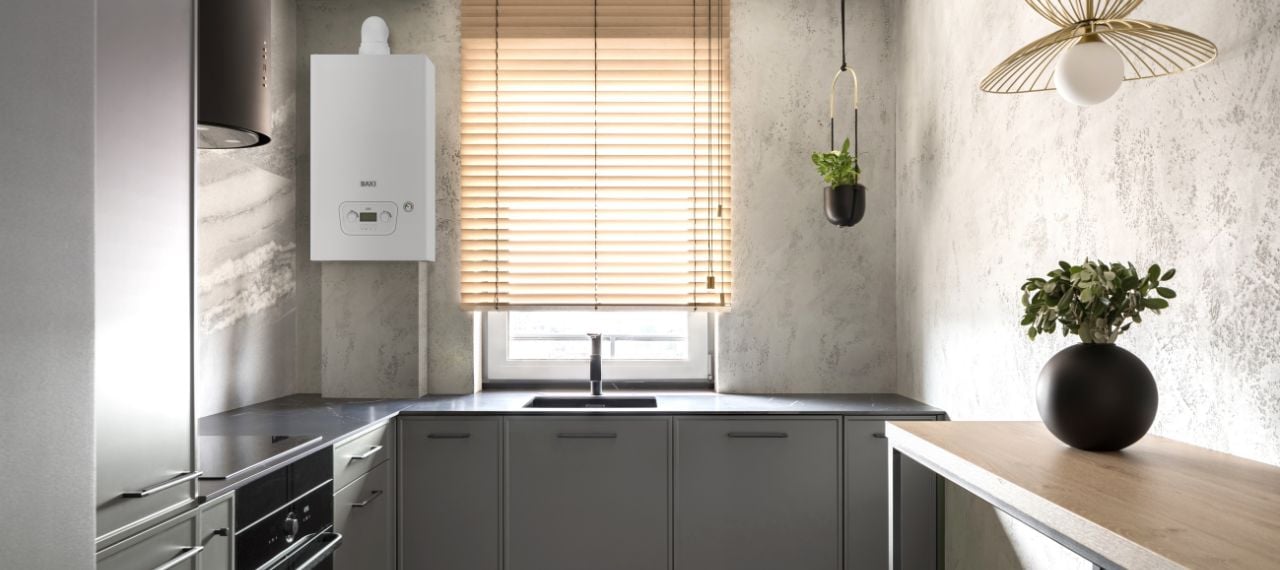
Modern boilers let you keep the hot water on for washing dishes and other household tasks, while turning off the heating. Electric showers also heat the water internally, so there is no need for the boiler to do the work.
That said, even in these instances, it’s still worth occasionally running the system for a short while to prevent parts seizing up as mentioned earlier. This will help keep your system working at its best when you have a greater need for it.
How-to Guides
How can we help?
Maintenance and Support Plans
Whether in or out of warranty, we have a range of monthly plans that allow you to spread the cost, and include annual servicing and maintenance for your boiler and central heating.