baxi-heat-pump-hp60-garden-hero

Switching from a boiler to a heat pump? Here’s what you need to know

There could be several reasons why you’re thinking about switching from a boiler to a heat pump. Maybe it’s the environmental benefits or the potential for lower energy bills in the long-term.

Each home is unique, and so each heat pump installation will be slightly different. That said, there are some key considerations to understand when making that switch. 


Read more about:


  • The heat pump installation process 

  • The difference between how boilers and heat pumps work

  • Long-term benefits of switching to a heat pump

  • Energy savings when using a heat pump

  • Understanding if a heat pump is right for you 
peasenhall-installation-ashp-054-1280-853

The heat pump installation process

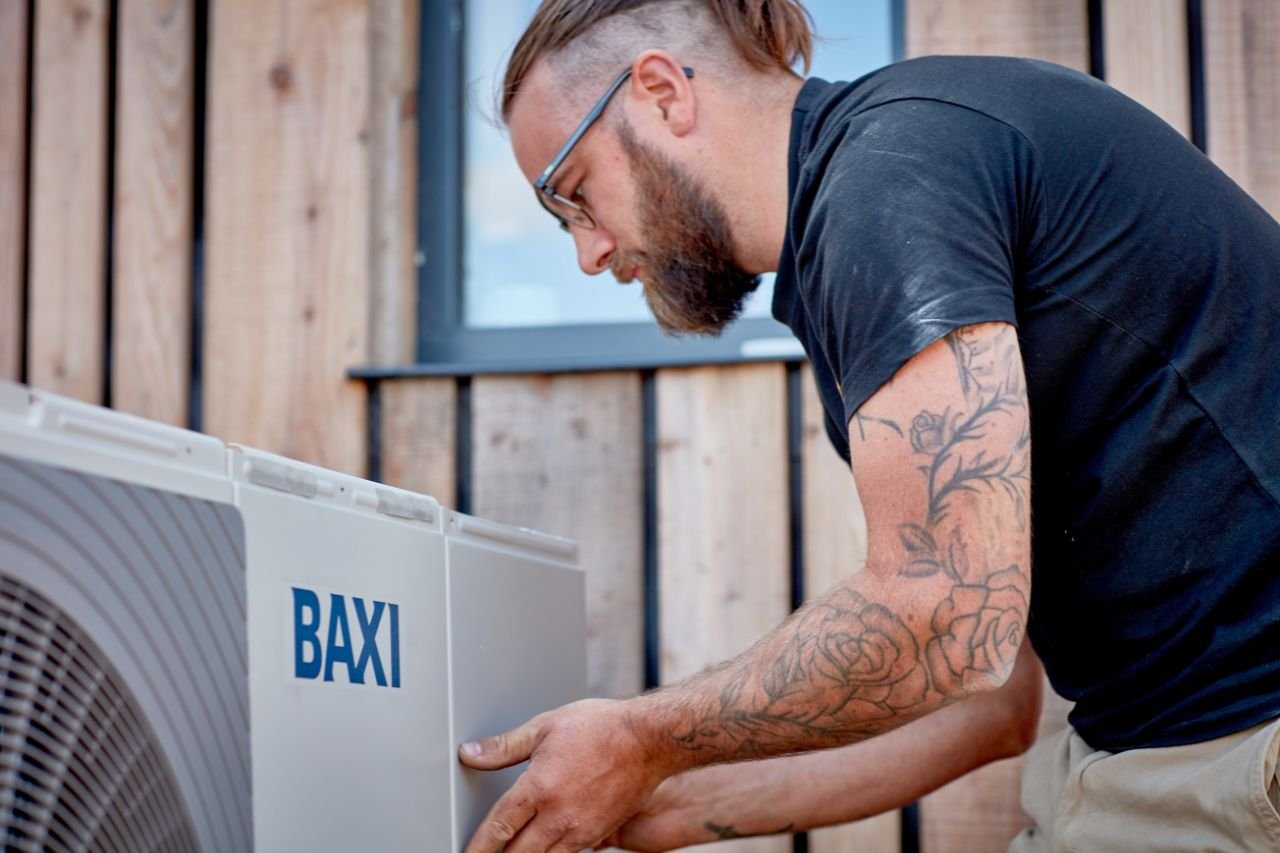
When switching from a boiler to an air source heat pump (ASHP), it’s worth knowing what the installation process involves. After your initial enquiry, your installer will carry out a heat loss calculation and survey of your property to ensure it will be suitable for a heat pump and how much power it will need to provide in order to deliver a consistent level of comfort.

  
As heat pumps work at lower flow temperatures than boilers, you may need to make some modifications to your property as a result. These can include: 
 

  • Upsizing heat emitters such as radiators
  • Pipework changes
  • Upgrading insulation and/or double glazing


Naturally, the cost of an installation and any modifications like these will be a key factor when deciding to switch to a heat pump. Grants such as the Boiler Upgrade Scheme (BUS) can help to reduce these expenses, or other available grants that are provided through local authorities.


When changing from a combi boiler to a heat pump, you’ll also need to ensure that you have a suitable location for an ASHP outside and an ASHP cylinder indoors for hot water storage. Unlike combi boilers, an air source heat pump does not provide instantaneous hot water and therefore a cylinder is required. Your installer can suggest suitable locations for both appliances as part of the site survey. 


Our comprehensive guide to heat pumps explains what else you’ll need to know before, during, and after having a heat pump installed at your home and the steps you might need to take at each stage. Click here to find out more and to download the full checklist.

The differences between how a boiler and a heat pump works

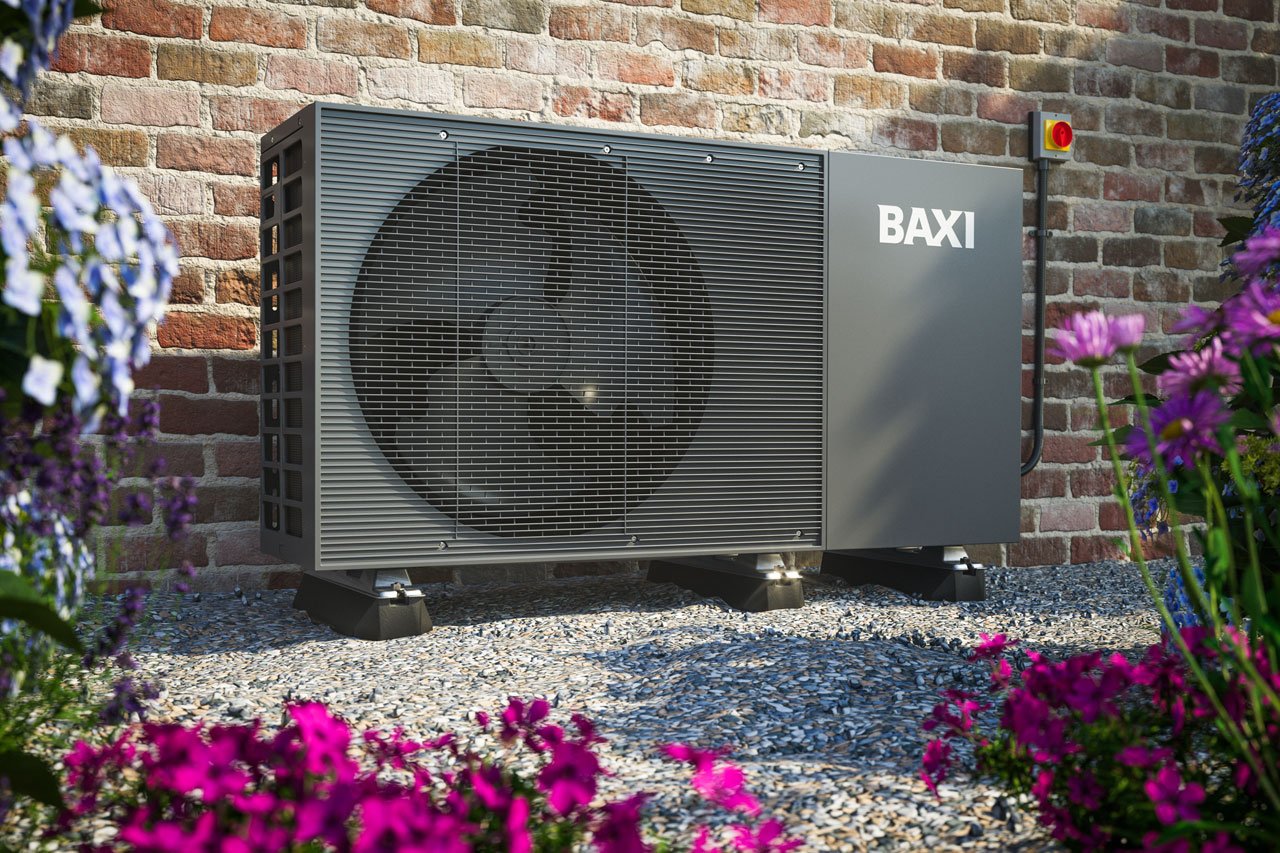
A heat pump works by drawing ambient air across a heat exchanger and uses a compressor to raise the temperature further. Liquid refrigerant then absorbs the heat and evaporates into a vapour, which is heated and pressurised within a compressor. The heated refrigerant is then passed through a condenser and the resulting heat is what is used to warm your home. Another way to think about this process is like a fridge working in reverse. 


A correctly installed heat pump is designed to provide consistent heating all year round. The lower temperatures that a heat pump works at means that you might notice that your radiators are cooler to the touch. Unlike boilers, air source heat pumps like to operate at low consistent temperatures. That doesn’t mean your heat pump isn’t working or has stopped supplying warmth. This is intentional as part of the set up to ensure the heat pump is running as efficiently as possible by only providing the heat required at any given time. 

baxi-hp60-west-cork-1

The long-term benefits of switching to a heat pump

Unlike a boiler, a heat pump is most efficient when left to work consistently, rather than in short bursts. During the installation stage, an installer will set the controls of the heat pump to maintain a comfortable temperature range, with sensors automatically making adjustments to how much heat is needed to maintain that temperature based on the weather conditions.

 
Heat pumps also don’t use carbon to provide heat. This means that your emissions are generally reduced and consequently, your home’s overall energy efficiency rating, or EPC, is improved, with the potential to reduce your energy bills.


When it comes to maintenance, an air source heat pump will need to be serviced at least annually, just like a boiler would. This ensures warranties remain valid and the unit’s components continue to work at an optimal level.

Energy savings when using a heat pump

While you’ll likely save energy from using a heat pump, exactly how much depends on unique aspects of your home and the overall system design. This will also be the case when looking at any potential reductions on your energy bills. 


Typically, however, heat pumps can achieve up to 400% efficiency – in other words, delivering three to four times more energy output for every unit of electricity used. By comparison, gas boilers (which are still fairly efficient) often achieve around 90% efficiency. 


Whilst heat pumps are more efficient, cost savings are dependent upon energy providers and tariffs and often subject to change. It is strongly recommended to contact your energy provider to fully understand any potential savings.

Understanding if a heat pump is right for you

Though air source heat pumps are typically suitable for most properties and capable of meeting most modern heating and hot water needs, there may be instances where upgrading to a modern, high-efficiency boiler is more feasible or practical. For example, if your property has limited outdoor space. 


Similarly, whilst most heat pump installations can be completed under permitted development rights, you may need to check other requirements if your property is in a conservation area and the potential impacts on neighbouring properties.

    
It is possible to implement a hybrid system, where a heat pump acts as the primary heat source but is supported by a boiler during certain conditions. You can then use this approach as a stepping stone to full decarbonisation in the future. It is worth noting that where grants are available, such as the Boiler Upgrade Scheme, hybrid systems are not currently eligible.


Find additional information in our guide to heat pumps here.

Find an installer

Simply enter your postcode and find a local, trained, Gas Safe registered (where applicable) engineer to give you a no-obligation quote on a new boiler, cylinder or air source heat pump installation.

Baxi's Heat Pump Guide

There is so much information out there when it comes to having an air source heat pump at your property. Here is our helpful guide on the main questions you might have about having an air source heat pump, before, during and after the installation.

Related articles