


Boiler safety: what you should consider
A boiler can be safely installed in most rooms of your house.
There are, however, some that are more suitable, and indeed safer, than others.
In this article, we'll look at:
The building regulations you might need to know
Safety factors when having a boiler installed
Safe pipework and clearances
Choosing a Gas Safe engineer
The building regulations you might need to know
Your boiler will need to be installed according to specific safety and building regulations. Gas boilers can only be installed by a Gas Safe Registered engineer and in line with specific documentation to meet compliance standards.
More recently, regulations have been updated to ensure boilers meet minimum efficiency standards. Combination boilers, or combi boilers, must have a minimum Energy-related Products (ErP) rating of 92%.
Safety factors when having a boiler installed
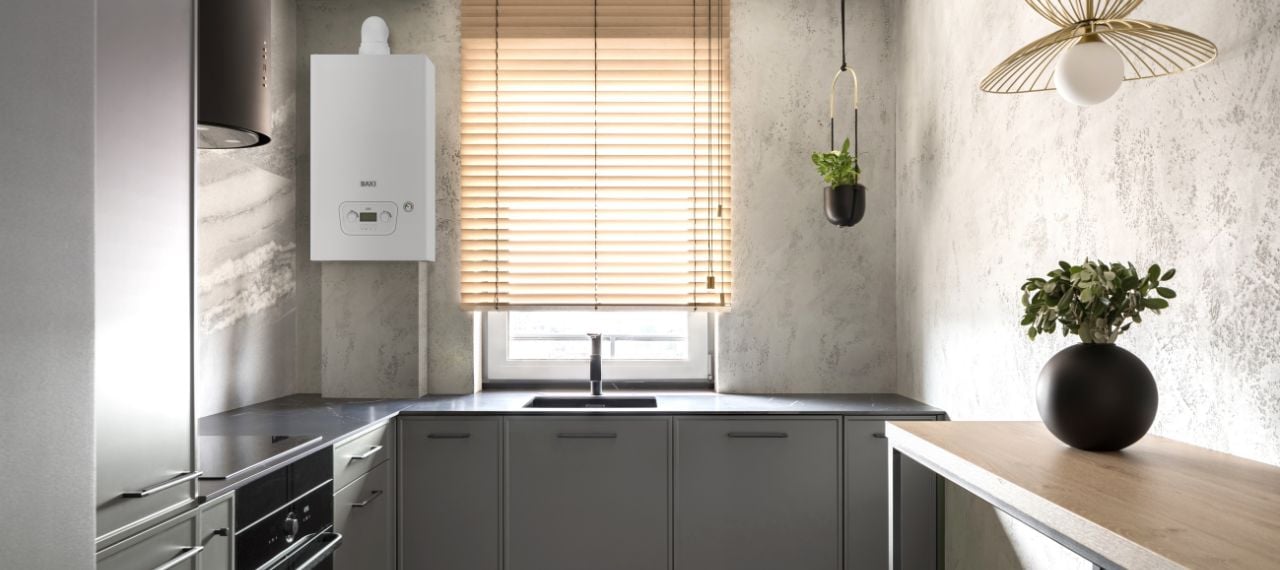
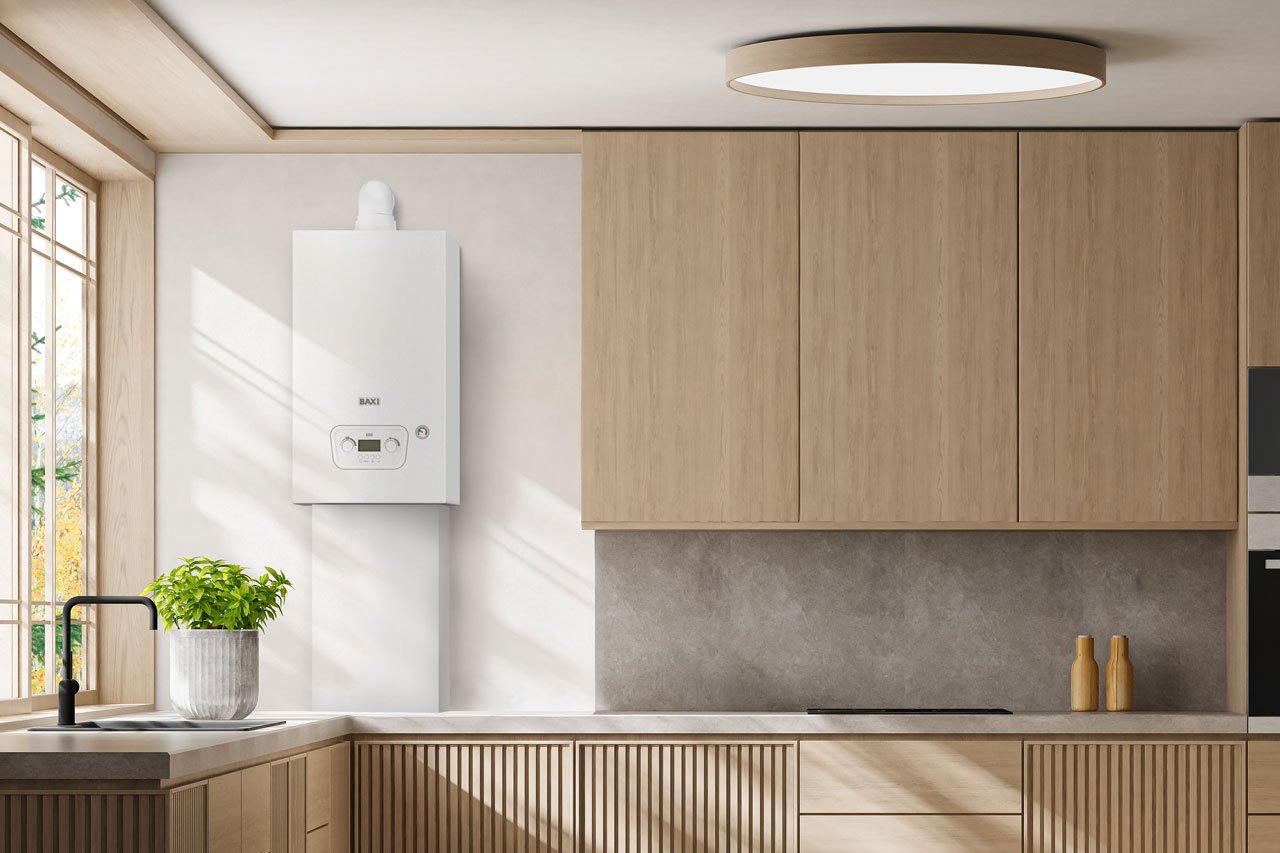
Your boiler will be fitted onto a wall inside your property that will be strong enough to take its weight when it’s full of water. In most cases, that will be in a utility room, kitchen or airing cupboard, though boilers can be fitted into your garage, loft or even your bathroom. For the latter, your installer will consult the necessary Wiring Regulations and Building Regulations documents to ensure it is installed safely.
The boiler's flue must be able to pass to the outside, either through an outside wall or through the roof. Its manual will contain guidance on the minimum legal distances the flue terminal must be from windows, chimneys and other buildings to ensure safety and compliance with current Building Regulations.
Boilers that use LPG cannot be installed in a basement or other position below ground. This is because LPG does not rise and will therefore not be dispersed should there be a gas leak.
An engineer will carry out a range of checks to find the most suitable and safe location for your boiler, according to the unique attributes of your home.
Safe pipework and clearances
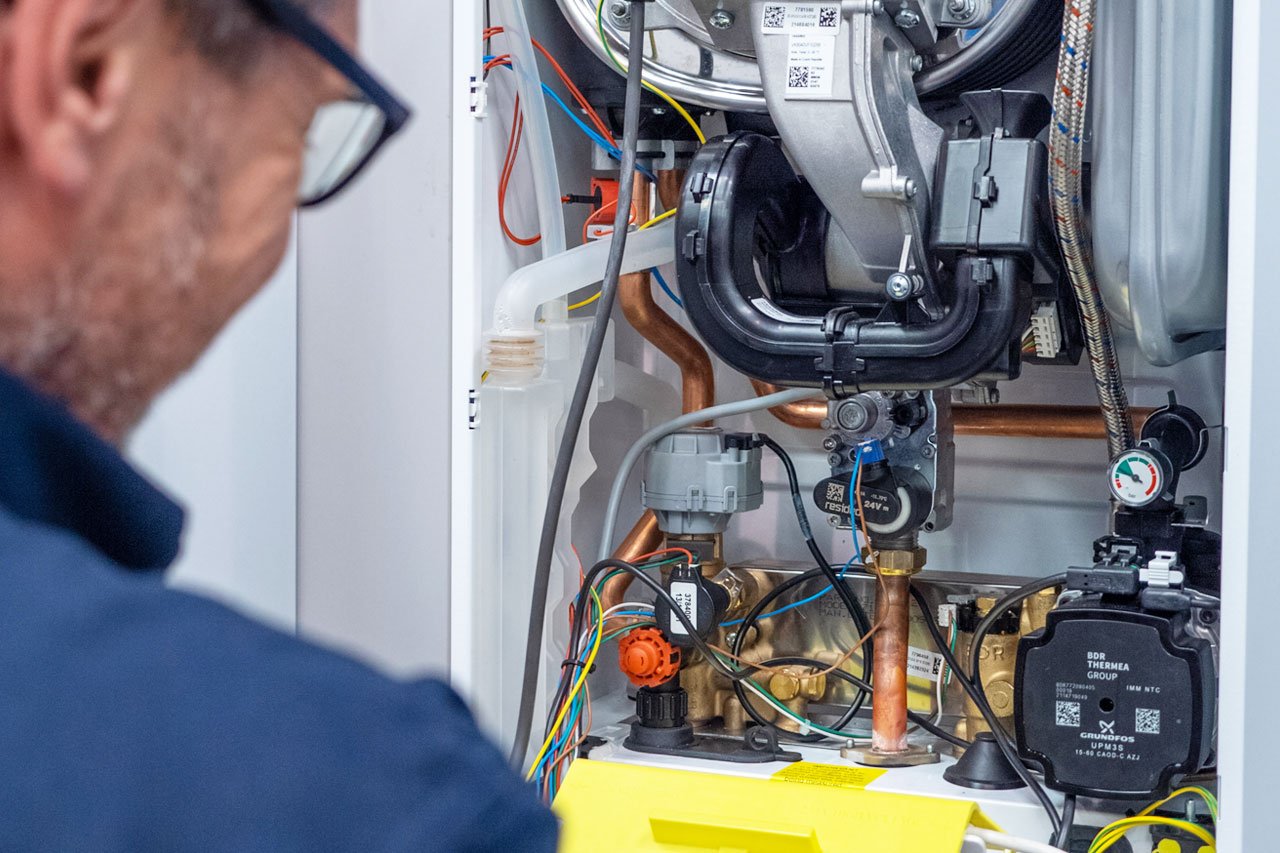
One of the most important considerations of a new boiler installation is ensuring the appliance can be safely accessed for servicing. Isolation valves will also be fitted to make a service safe and there will also need to be enough space for other components, such as the boiler’s filter.
Modern boilers can be fitted inside a cupboard without the need for ventilation, however your installer will advise you if this is possible or not. Again, they will need to be able to access the boiler to carry out maintenance and safety checks, and there will still need to be enough space around the boiler for these checks if it is enclosed.
The flue pipe cannot be obstructed; this is to allow combustion gases to be emitted when the boiler is in operation to escape and not build up in the system.
When it comes to pipework, we recommend that the condensate pipe is fitted internally and insulated to reduce the likelihood of it freezing during the winter and causing the boiler to shut down. Pipes should also be made from a rigid metal for gas and copper or approved plastic for water and heating lines.
Baxi’s latest Combi & System 2 ranges have a pre-heated and siphonic condensate feature that negates the risk of freezing even in the coldest of winters.
Choosing a Gas Safe engineer
At Baxi, all our engineers are Gas Safe registered and undergo rigorous training to ensure they always work to the highest standard of quality and, crucially, safety.
Our boilers all have various safety features, such as a pressure relief valve, integral expansion vessel, pre-heated and siphonic condensate trap design, pump overrun to dissipate any excess heat from the heat exchanger once demand has stopped, and a 24 hour pump cycle to prevent components seizing.
Find your local engineer and learn about our range of boilers below.
Our Boilers
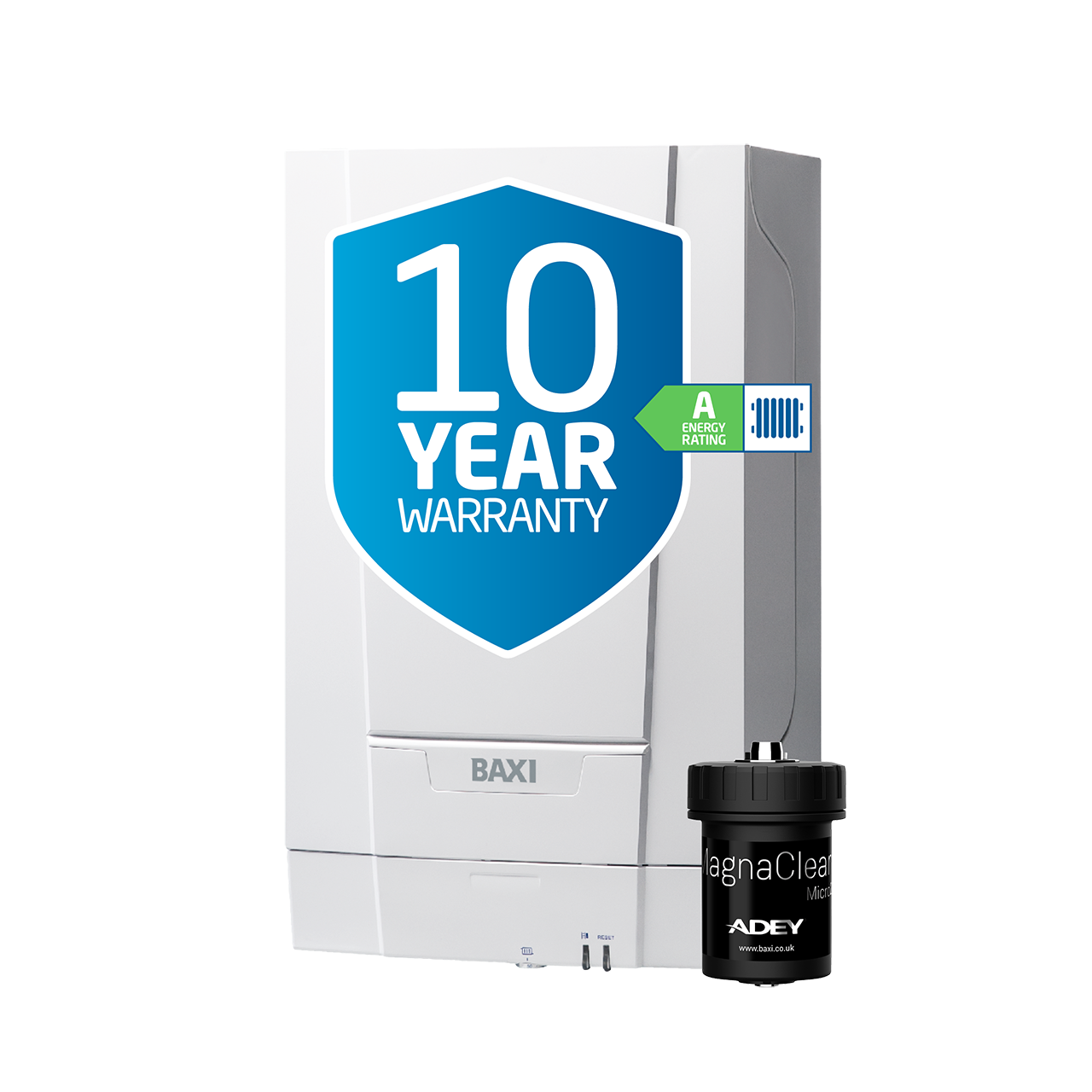
Combi Boilers
Our range of combi boilers are available in a variety of outputs to suit the installation requirements, they are super easy to install and compact, allowing them to fit neatly into a standard cupboard.
Heat Only Boilers
Our range of heat only boilers are available in a variety of outputs to suit the installation requirements, and are compatible with our Baxi cylinders and Megaflo Eco range.
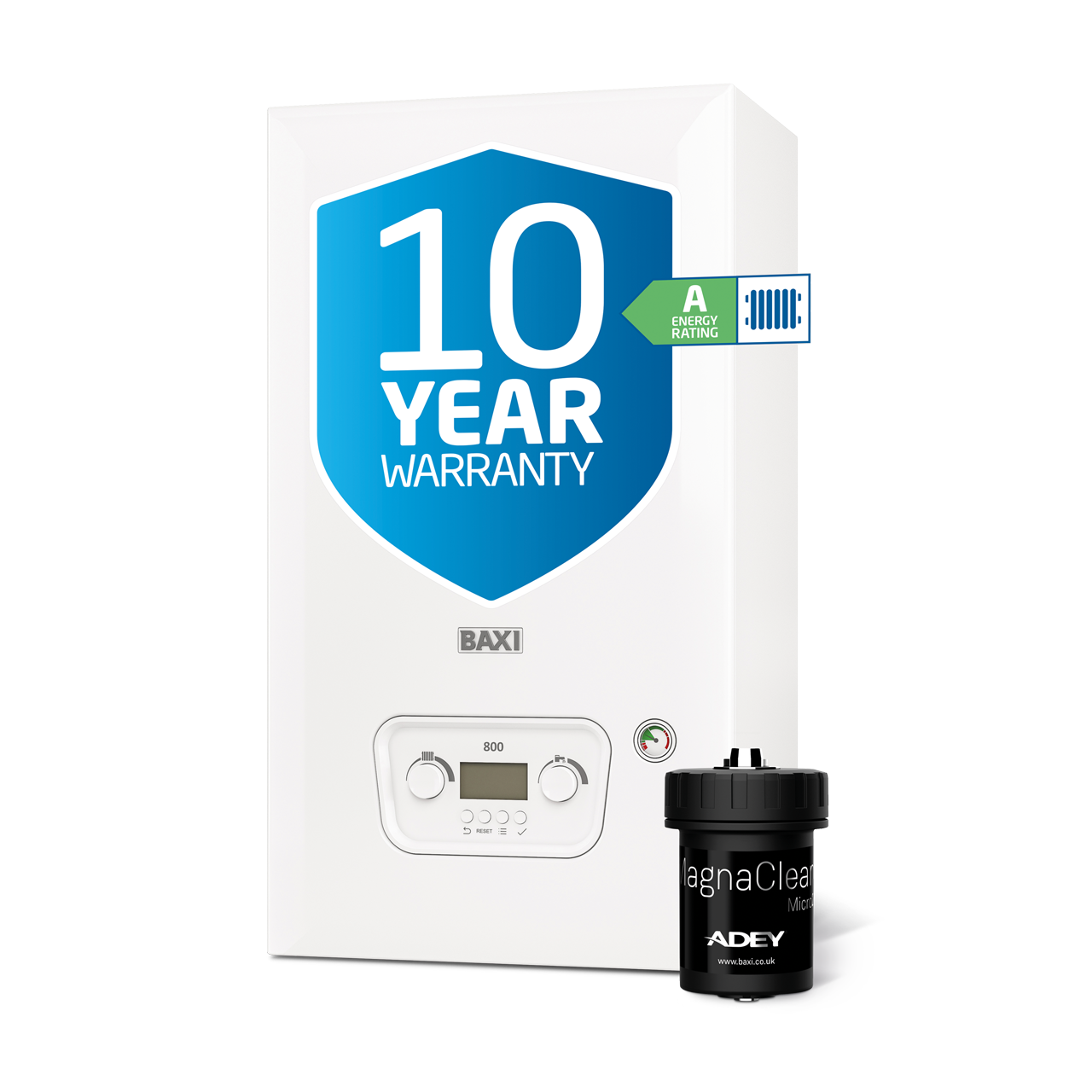
System Boilers
Our range of system boilers are super easy to install, compact and are compatible with unvented hot water storage cylinders like our Baxi Cylinders and Megaflo Eco range.
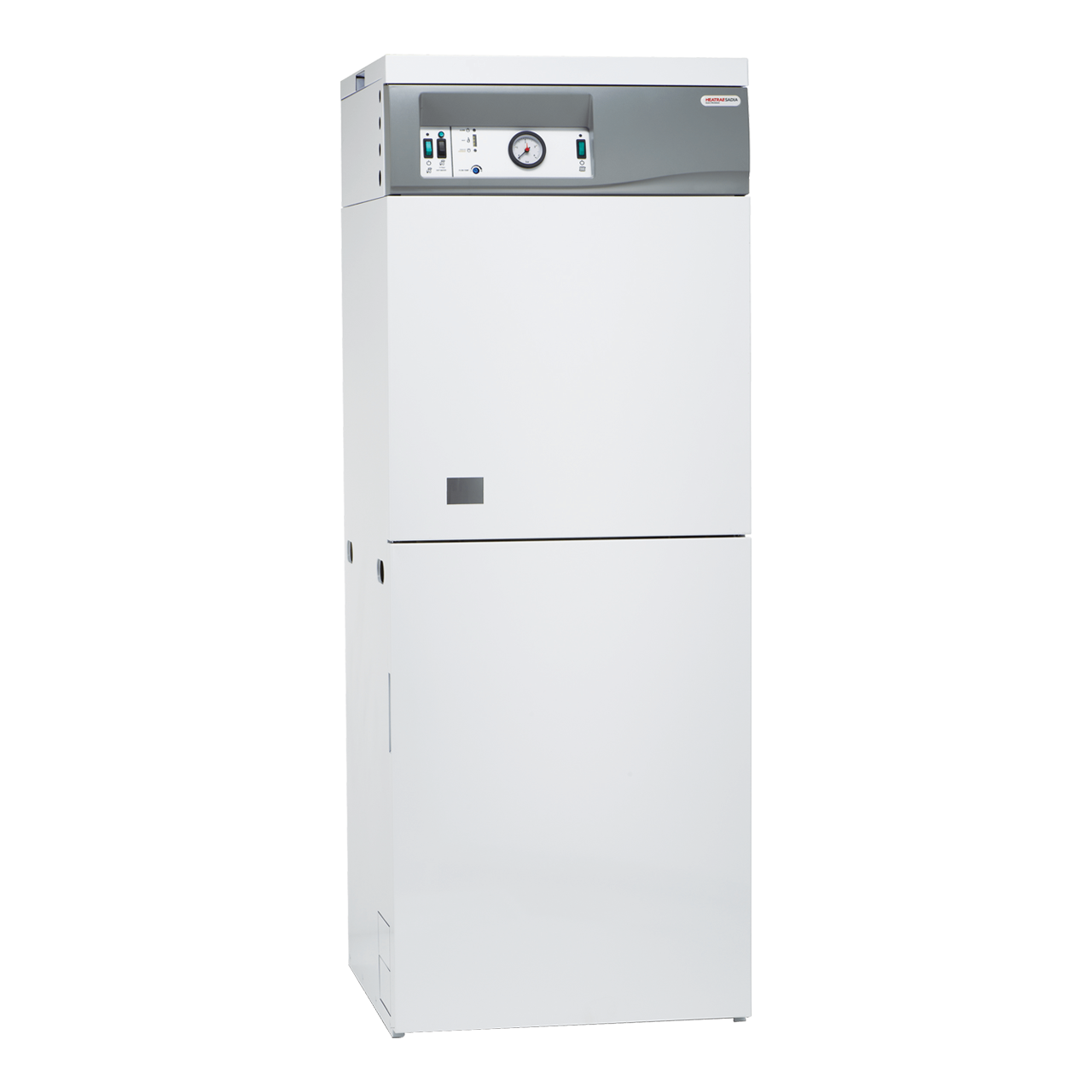
Electric Boilers
Our electric boilers are easy to install and their solider state technology has no moving parts – so there is minimal servicing required.
Find a boiler
Use our simple tool to find the right Baxi boiler for you.
Find an installer
Simply enter your postcode and find a local, trained, Gas Safe registered (where applicable) engineer to give you a no-obligation quote on a new boiler, cylinder or air source heat pump installation.