Air Source Heat Pumps

How do commercial air source heat pumps work?

When looking into heating for commercial buildings, air source heat pumps (ASHPs) can provide a flexible solution for your business needs.


Air source heat pumps work by drawing in heat energy from the ambient air and using it to warm the building without the use of fossil fuels. This makes them a good choice for businesses looking at energy-efficient heating that maintains performance. Commercial ASHP setups can also be scaled to meet the requirements of the business or building owner as they expand. 


Read on for more about:


  • How air source heat pump systems are used for commercial properties

  • Integrating an air source heat pump with an existing system

  • The flexibility of using air source heat pumps for commercial buildings

  • The optimal working conditions for commercial air source heat pumps

How do commercial air source heat pumps work - Baxi Commercial ASHP FAQs

Understanding how air source heat pump systems are used for commercial properties 


An air source heat pump works by capturing heat from the surrounding air and transferring it across a coil that contains refrigerants. These refrigerants have very low boiling points, which means they can turn into gas even in temperatures below 0°. This gas is low temperature, low pressure. It is moved to a compressor, which puts it into a high pressure state raising the temperature of the refrigerant significantly, and this heat is then circulated throughout the building’s pipework. 

 
For commercial building owners, an air source heat pump can be a viable option when looking at ways to reduce energy consumption and demonstrating good sustainability practices. The system can also make it easier to deliver consistent heating and hot water performance without the need for fossil fuels. 


As building regulations evolve in line with sustainability requirements, an air source heat pump can be a means of keeping a step ahead of new legislation by providing a sustainable heating solution.

Integrating an air source heat pump with an existing system

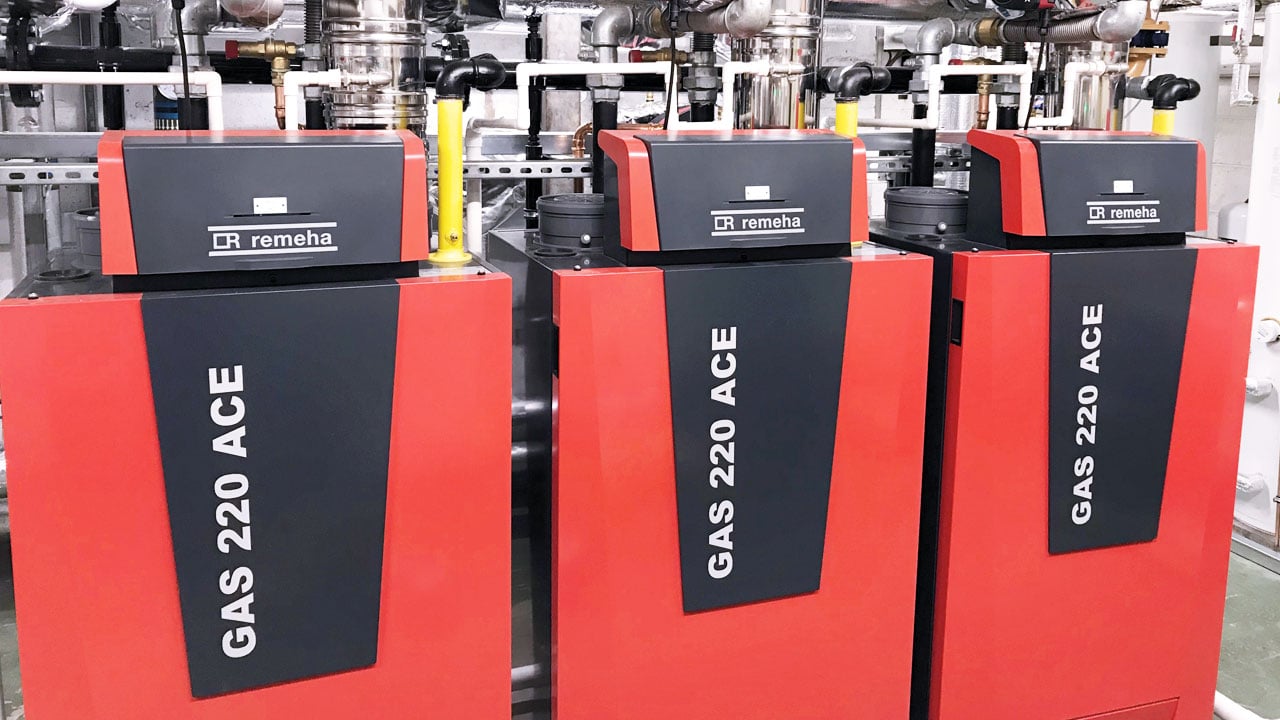
Air source heat pumps can integrate with existing heating systems in several ways. One of the more common methods is through a hybrid system that combines the heat pump with a more traditional method like a boiler. It is designed to let the heat pump handle most of the heating most of the time, with the boiler stepping in when heat demand is high for hot water or if required in very cold outside temperature. This allows for greater flexibility and readiness for when requirements change unexpectedly.


A hybrid system is particularly effective when it is ‘retrofitted’ in an older building or one with particularly high heating demands. The system is also less disruptive than completely overhauling the heating system, which might not be possible or practical.

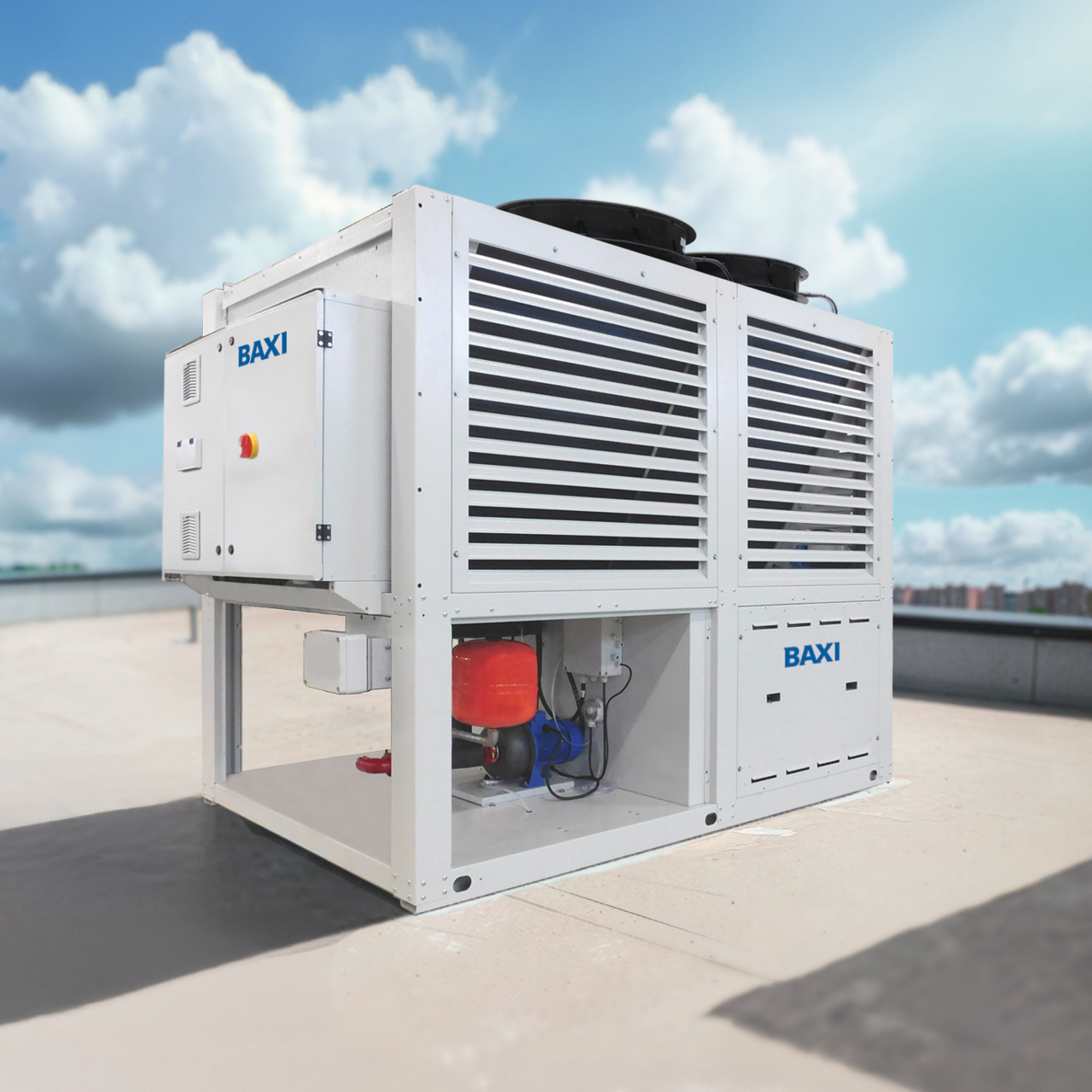
Using a hybrid system - where an air source heat pump works alongside a boiler - allows greater flexibility for when heating requirements change.