Hotels and the low carbon hot water challenge
Andy Green, head of technical solutions at Baxi, discusses the options for reducing the carbon intensity of domestic hot water generation in older hotel buildings and the importance of preparing for net zero.
As businesses and organisations face growing pressure to identify opportunities to minimise their environmental impact, hot water provision as well as heating is under scrutiny. This is particularly true in hotel building types, where the hot water system, typically associated with guest comfort, is one of the largest users of energy in the building. With 2050 net zero looming, the focus should be on reducing operational energy consumption and increasing renewable energy supply.
Hot water patterns
Clearly hotel buildings will have unique requirements and be at different stages of the decarbonisation journey, meaning that there can be no one-size-fits-all solution.
However, how they use hot water tends to follow a similar pattern. Traditionally, hot water usage is characterised by an extremely high peak in the morning for guests’ showers or baths, followed by a period of low demand. A second peak will typically occur in the evening when the kitchens serving the hotel restaurant will require a high demand for hot water for catering and washing down. To meet strict hygiene requirements, the solution must generate temperatures high enough to store the domestic hot water (DHW) above legionella temperatures (60ºC or higher).
The challenge, particularly for older and smaller independent hotel buildings, is to achieve a system that meets the high volumes of hot water demand as sustainably as possible within available budget and time, all the while prioritising safety. With that in mind, let’s consider some of the options.
Option one: More energy-efficient system
Many older hotels rely on traditional direct gas-fired water heaters for DHW generation due to their ability to meet sudden peaks in demand efficiently with reduced energy loss.
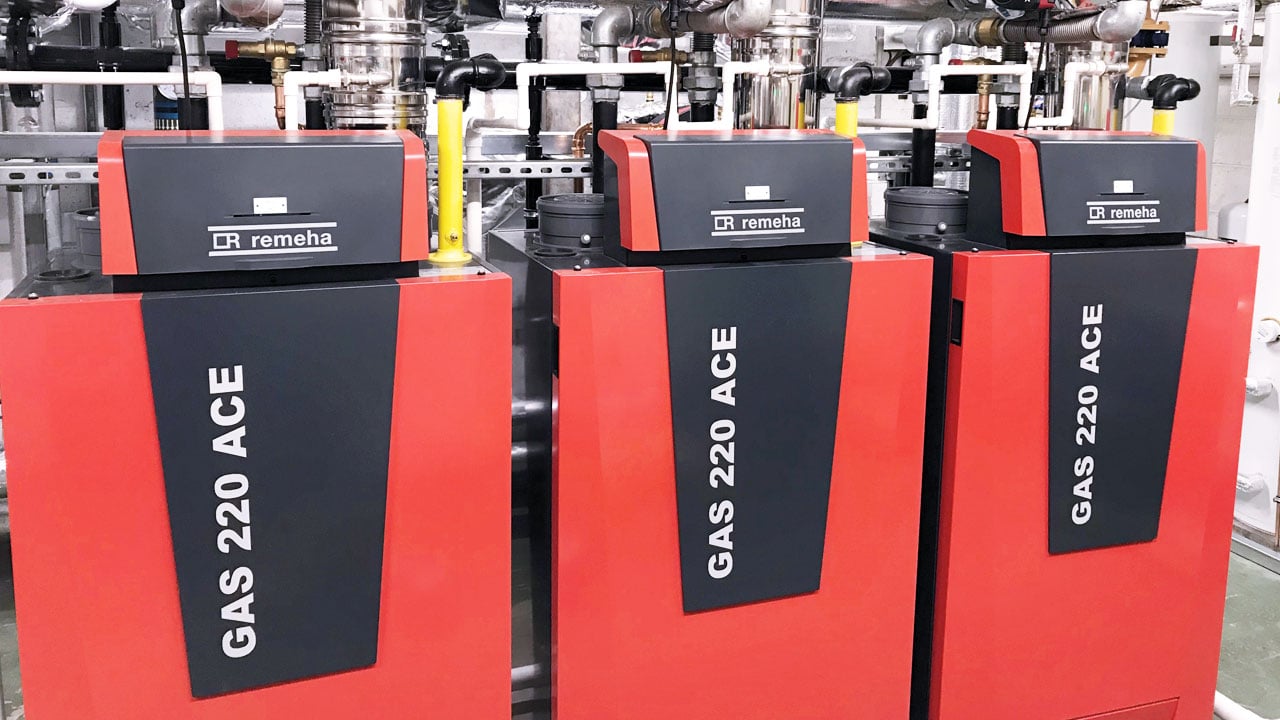
However, it should be noted that Approved Document L of Building Regulations now effectively rules out non-condensing water heater replacement in the vast majority of buildings, in favour of condensing models which are up to 20% more energy efficient such as our gas-fired water heaters range. Where relevant, encouraging customers to switch from non-condensing to condensing water heaters will ensure the hot water system is more efficient and compliant, preparing it for the future addition of renewable technologies.
The hot water demand should be reassessed as part of the upgrade as this may have changed over time and could point to a smaller water heater being required, reducing capital expenditure and future running costs. There may also be the option to relocate the plant to the roof or exterior in a packaged plant room, freeing up valuable extra space.
Good solutions providers will offer free site surveys, sizing advice and technical support.
Option two: Hybrid approach
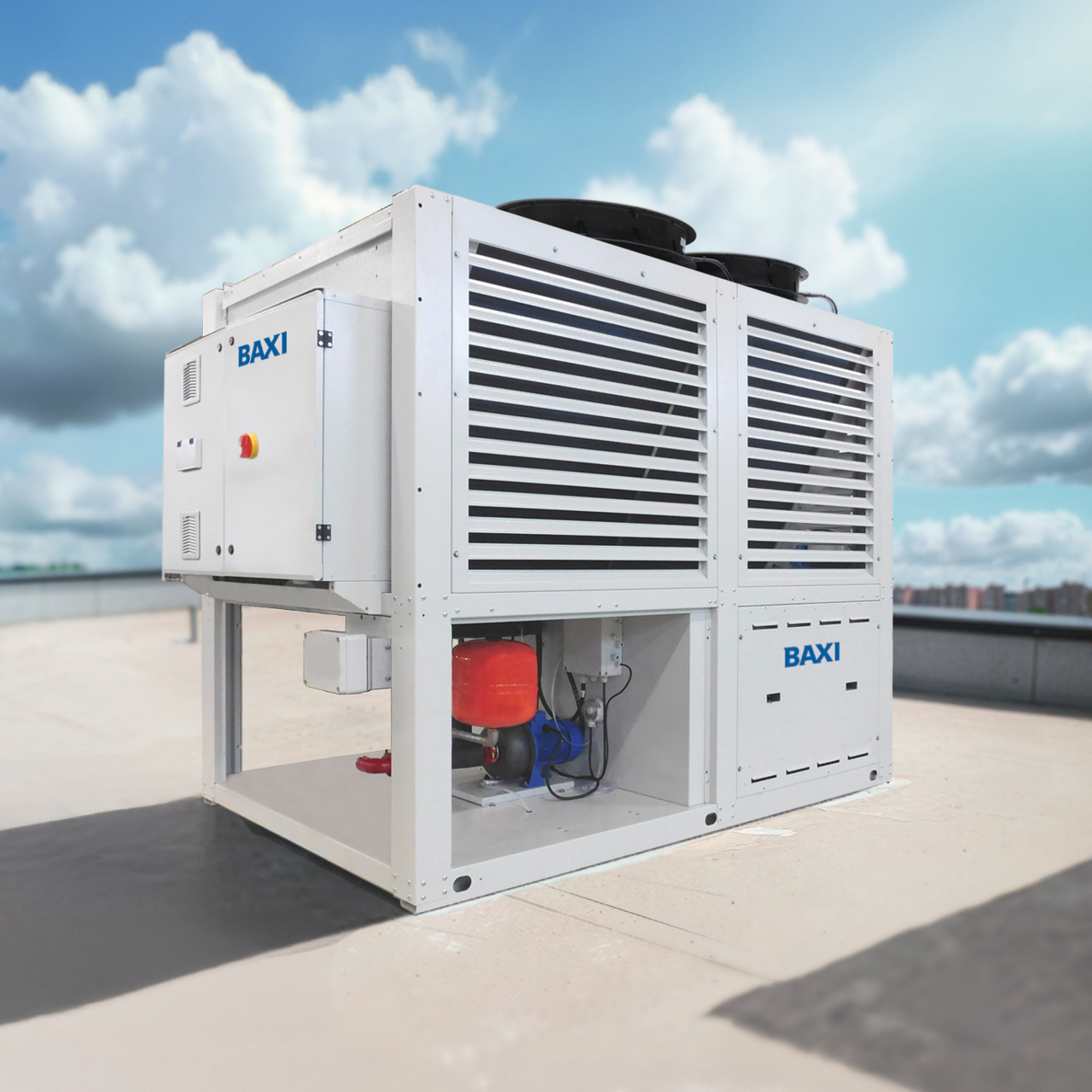
If gas is to be kept in the building, the next stage on the decarbonisation pathway might be to consider integrating an air source heat pump (ASHP) in the system to provide pre-heated water to the direct-fired water heaters.
A hybrid solution is often a fast, efficient and affordable solution to low carbon hot water in legacy hotel buildings. Using the ASHP to pre-heat the cold mains water from 10ºC to 50ºC, with a DGFWH raising the temperature from 50ºC to 60ºC will deliver significant carbon savings. At the same time, using a DGFWH with in-built legionella functions like our MAXXflo EVO will ensure straightforward legionella control.
This design satisfies the hot water requirements safely and efficiently, greatly reduces storage requirements and ensures that the majority of demand is met through renewable energy.