Policy direction for decarbonisation
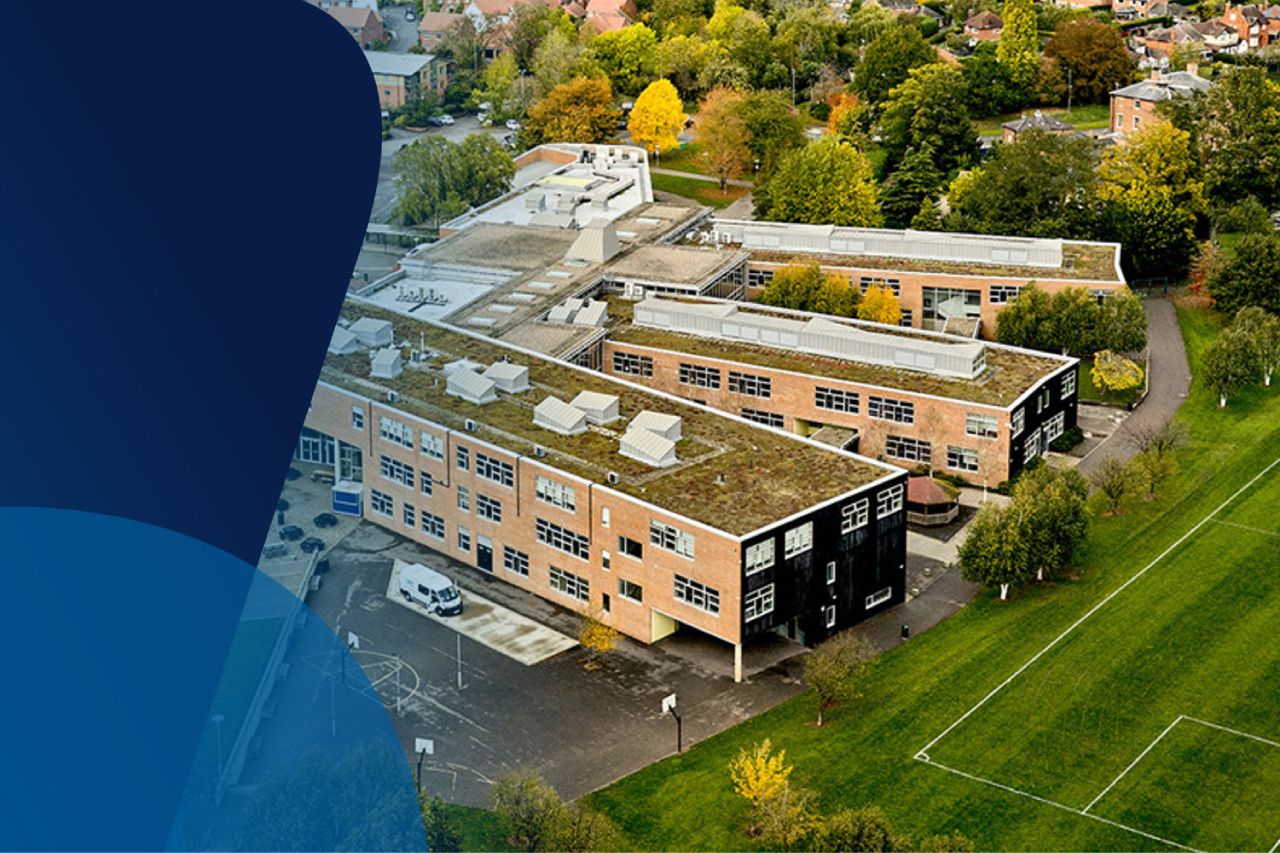
There is, however, a shift in policy direction to help schools and the wider education sector. The Education Estates Strategy provides a longer-term framework for improving the condition, resilience and performance of education buildings, backed by significant capital investment through to the end of the decade and funding certainty extending to 2034/35.
Alongside this, the Future Buildings Standard will strengthen requirements for new non-domestic buildings from 2027, making low-carbon heating and solar generation central to compliance for new schools and major works.
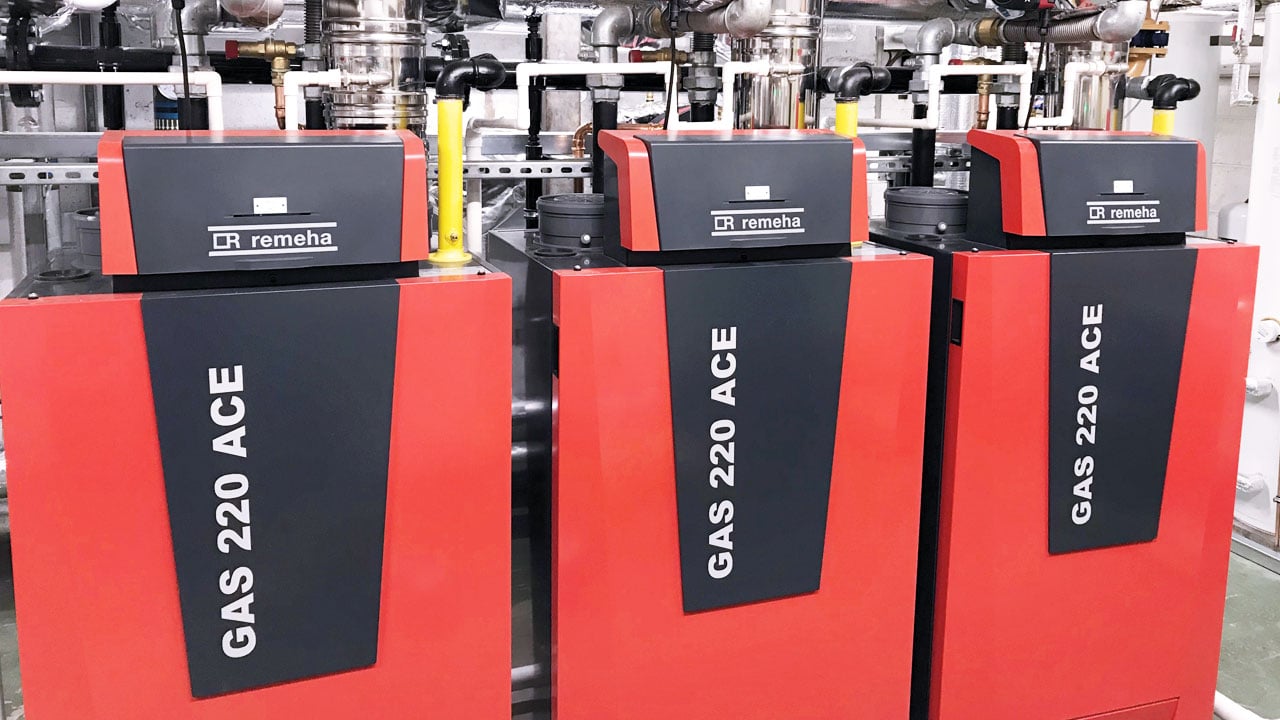
However, improving existing estates remains a problem. Major heating upgrades are often only planned when there is a need for works to be carried out for regulatory requirements or when appliances reach the end of their lifecycle.
The next phase of non-domestic Minimum Energy Efficiency Standards is still uncertain, leaving a gap between strategic ambition and day-to-day delivery across thousands of existing buildings.
Funding is also transitional. The Public Sector Decarbonisation Scheme has been the main dedicated route to access funding opportunities for public sector heat decarbonisation projects, but Phase 4 has closed to new applications and funded projects run to 2028, with no indication of a successor programme.
Other routes, including the Condition Improvement Fund, School Condition Allocation, Great British Energy’s funding programme for funding rooftop solar in schools, and the new Renewal and Retrofit Programme, can all be used to support decarbonisation, however they aren’t always ring-fenced for low-carbon heat.